
 ไทย
ไทย English
 中國人
中國人
Despite not kicking a ball in two months, Real Madrid's fundamental flaws were put under the spotlight at the 2026 World Cup.
The planet's biggest football tournament was meant to serve as a welcome distraction following Los Blancos' catastrophic 2025–26 campaign. A change of scenery from the trophy-free season that fractured what was once a united dressing room was precisely what the squad and supporters needed heading into the summer.
Instead, the World Cup quickly turned into a microscope exposing every issue plaguing the 15-time European champions. Midfield struggles, underdelivering stars and uninspiring recruits felt like the same broken record echoing around the Bernabéu over the past two years.
Not even José Mourinho's appointment at Valdebebas and the commencement of preseason could draw attention away from the club's glaring shortcomings playing out on the world stage—and meaningful solutions appear nowhere in sight.
Midfield Deficiencies Still Raging
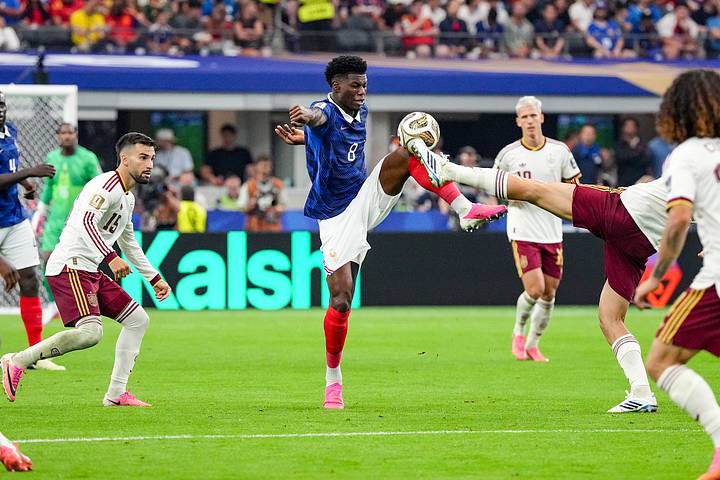
For the past two years, Real Madrid have been desperately searching for a deep-lying playmaker to fill the void left first by Toni Kroos and then Luka Modrić. Instead, the club chose to invest in eye-catching attackers and untested defenders, leaving the engine room largely neglected.
Aurélien Tchouaméni and Federico Valverde, whose dressing room altercation ended with the latter being hospitalized in May, were tasked with controlling the midfield, while Jude Bellingham was forced to plug gaps rather than operating as a No. 10, the position where he thrives most.
Consequently, Los Blancos repeatedly struggled to break down deep defensive blocks, routinely failed to find a second goal and became synonymous with sideways passing. Tchouaméni, in particular, simply lacks the profile to serve as the conductor Kroos once was—a reality he confirmed during France's World Cup elimination this summer.
The midfielder will never be an electrifying link between defense and attack. Tchouaméni is too hesitant in his decision-making, lacks the passing range to play through the lines and doesn't possess the vision to ignite an offensive move. His limitations were brutally exposed against Spain's midfield pairing of Rodri and Fabián Ruiz.
It's no accident that Real Madrid's most recent Champions League triumph came with the Frenchman operating as a holding midfielder while Kroos pulled the strings ahead of him. Yet the club has once again prioritized other areas, neglecting the single reinforcement most critical to their title ambitions.
Summer Signings Produce a Mixed Bag
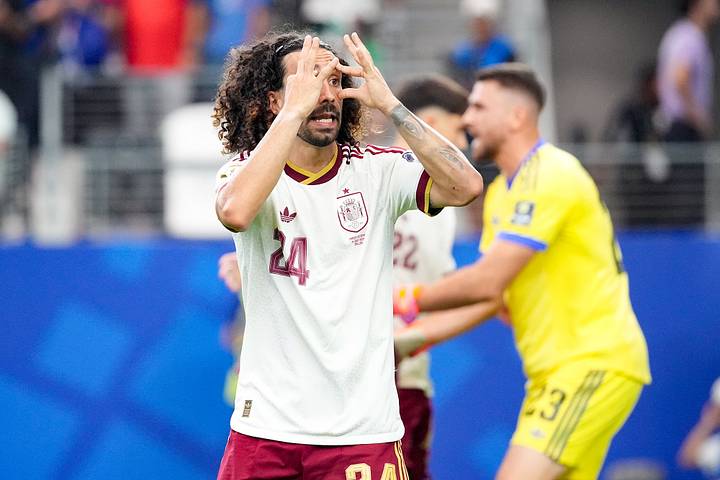
Despite failing to land an elite midfielder, Real Madrid have been busy in the summer transfer window. As the World Cup progressed, they secured the arrivals of Marc Cucurella, Ibrahima Konaté, Bernardo Silva and Denzel Dumfries.
Cucurella and Dumfries, the two fee-paying acquisitions, delivered standout World Cup performances. The left back has not been beaten by a dribble once throughout the knockout rounds, and most recently made Michael Olise and Ousmane Dembélé look completely lost in the semifinals.
Dumfries, meanwhile, featured for every minute of the Netherlands' campaign and contributed two assists before his nation bowed out in the round of 32. Both fullbacks will undoubtedly strengthen two problematic positions at Real Madrid, even if the Dutchman finds himself playing second fiddle to Trent Alexander-Arnold.
That's where the positive news runs dry. Konaté, the club's long-awaited center-back reinforcement, managed just 14 minutes of action for France this summer, with that sole appearance coming when his side was already cruising at 3–1 against Norway in the group stage.
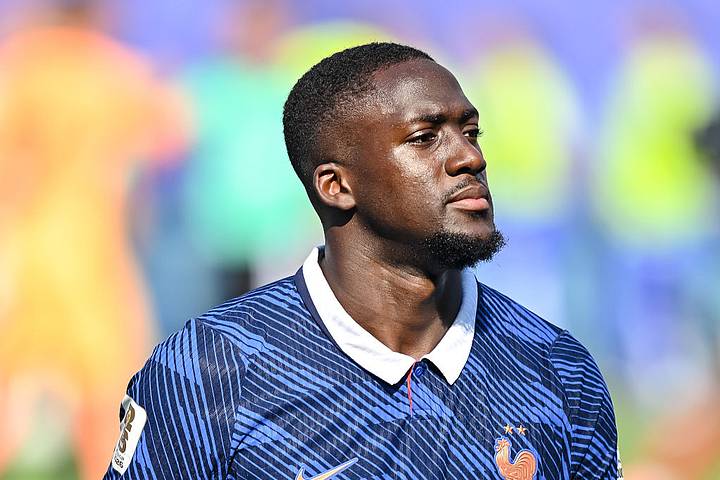
The former Liverpool defender couldn't even earn minutes in place of the injured William Saliba. Didier Deschamps opted for Maxence Lacroix ahead of Konaté, and that says everything that needs to be said.
Then there's Silva, who looked every bit his 31 years for Portugal. The veteran was handed a starting berth in his country's World Cup opener against DR Congo, contributed very little and was substituted at the break. He failed to start another fixture after that, and only exceeded 15 minutes of action once before the Seleção das Quinas crashed out in the round of 16.
It's hardly an encouraging sign for Los Blancos' 2026–27 prospects that their two most pressing problem areas—midfield and center back—are now occupied by signings who barely featured at the World Cup.
Superstars Faltering ... Again
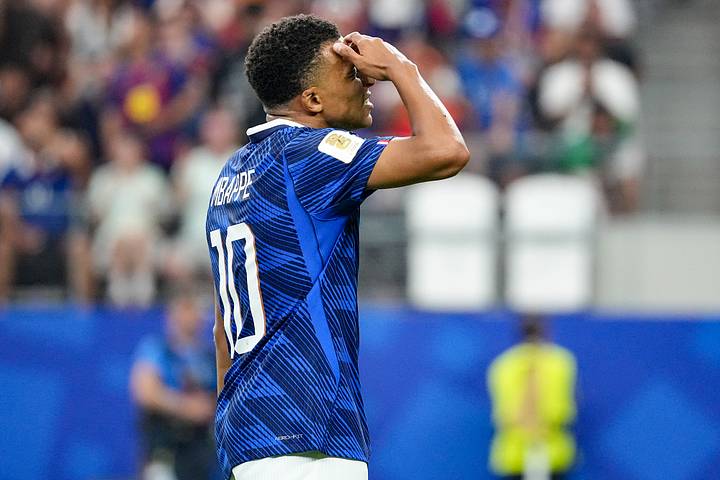
Far too frequently have Real Madrid's key players gone missing in crucial moments over the past two seasons. To compound the issue, several of the biggest names at the world's biggest club carried their domestic struggles onto the international stage.
For all of Kylian Mbappé's goal contributions at this summer's World Cup, he was rendered completely ineffective against Spain in the semifinals. With a place in the final at stake, the Frenchman failed to register a single shot on target and barely troubled La Roja's defensive line.
His compatriot Tchouaméni was equally underwhelming in the semifinal, while Eduardo Camavinga couldn't even secure a spot in Deschamps's squad.
On the subject of midfielders, Valverde will be eager to put the last two—or rather three—months firmly behind him. The Uruguayan couldn't even guide his nation past the group stage; La Celeste failed to win a single match, drawing with Saudi Arabia and Cabo Verde before falling to Spain.
Enable functional cookies to see this feature.
Arda Güler endured a similarly forgettable tournament, badly disappointing for a Türkiye side that exited in the group stage. The midfielder, capable of brilliance on his best days, made little impact as his nation failed to score in its opening two matches against Australia and Paraguay. He eventually got on the scoresheet against the U.S. men's national team, but it amounted to nothing more than a consolation strike in a dead-rubber fixture.
It paints a troubling picture for Real Madrid that four of their regular starters, who have repeatedly fallen short in a white shirt, also failed to deliver for their respective nations.