
 ไทย
ไทย English
 中國人
中國人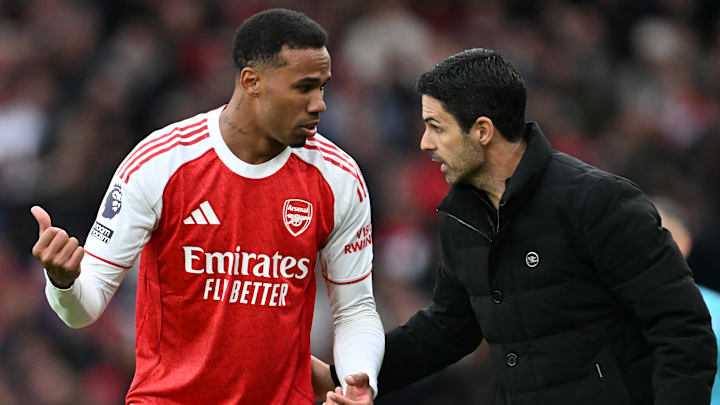
Why Arsenal Injury Crisis Talk May Be Premature Despite Another Withdrawal
Arsenal have witnessed at least five first-team squad members pull out from international commitments this week, with defender Gabriel being the most recent to withdraw.
After "experiencing discomfort in his right knee" following the Carabao Cup final loss to Manchester City, a Brazil statement verified he is "unable to participate" in his nation's forthcoming matches against France and Croatia.
He joins four other prominent Arsenal figures who have withdrawn, including William Saliba, Jurriën Timber, Leandro Trossard and Eberechi Eze, raising understandable worries about a possible injury epidemic at such a vital stage of the campaign.
Talk of a Crisis May Be Premature
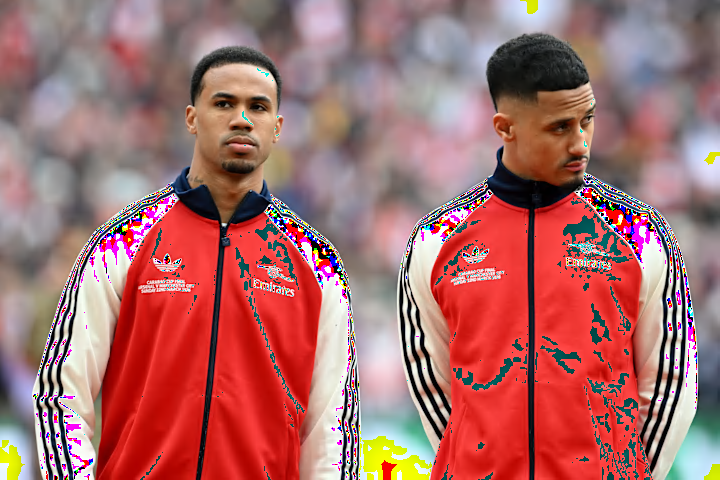
The image of both Saliba and Gabriel, the foundation of Arsenal's Premier League championship pursuit, pulling out from duty is clearly worrying, especially with regular right-back Timber already sidelined from the weekend's cup final due to an ankle injury.
Saliba is dealing with his own ankle issue, while Gabriel has reported knee discomfort, and both defenders will now miss their nations' respective friendly encounters, ironically against each other.
March's international window features friendly matches, arranged simply as preparation games in the last break before the World Cup but with no competitive stakes involved. Such international periods routinely produce numerous withdrawals as tired players choose recovery over meaningless contests.
There are no indications that either Saliba or Gabriel have been dishonest about their injuries. In fact, France and Brazil's medical teams have verified their own assessments of the pair—with significant hints found in France's description of Saliba's situation.
Les Bleus even specify that Saliba's condition will need a rehabilitation program consisting of merely 10 days rest. Regarding Gabriel, whose knee issue has been characterized simply as "discomfort," it will certainly be something comparable.
The anticipation is that both defenders will be eager to return when Arsenal resume domestic competition next month, starting with the FA Cup quarterfinal against Southampton before a crucial Champions League encounter away at Sporting CP. While many will quickly blame Saliba, Gabriel and Arsenal of scheming to shield their star players, the truth is even the national teams will gain from their absences.
Playing Through Pain All Too Common
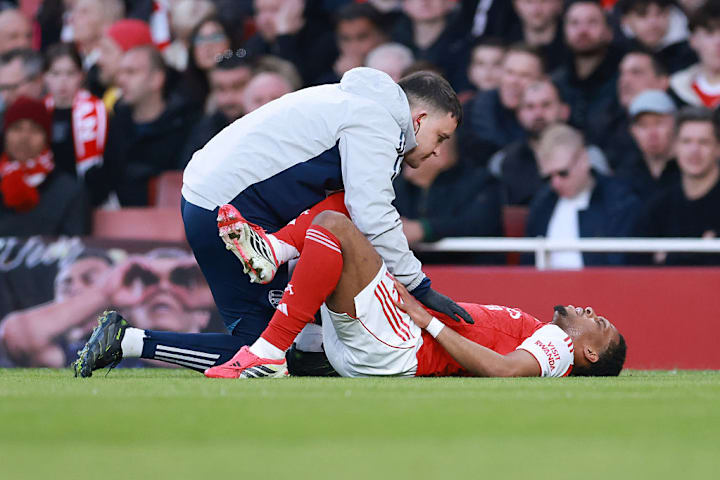
Professional athletes frequently compete through discomfort, the type that is probably affecting both Saliba and Gabriel after a demanding club campaign. They could persist playing through the pain threshold, but that only heightens the chance of a severe injury—just examine Real Madrid's Kylian Mbappé, who has ignored requests to rest and has consequently been sidelined by a knee issue three occasions already this season.
As the March international window approaches, bringing meaningless friendlies, the opportunity presents itself for essential rest for key figures as they can permit these problems—Saliba's ankle and Gabriel's knee—to recover undisturbed.
Those crucial players can then return to their peak form, overcome any fitness worries and significantly minimize the chance of an injury that could sideline them from the World Cup. If they must skip two friendlies in March, that's acceptable.
Gabriel provides a fascinating example of this concept. Last year, March's break featured World Cup qualifying matches, and the center-back properly joined Brazil duty. In 2024, however, he accompanied fellow Gabriels Jesus and Martinelli in withdrawing from two friendlies just months before Copa América.
Those claiming "conspiracy" should examine remarks from Norway coach Ståle Solbakken, who chose not to select Martin Ødegaard this month despite his approaching return to fitness.
"It's the World Cup that counts, not friendly games in March," he stated. "I would rather he develops his physical fitness and receives a proper training phase. He can have the chance to accomplish that during this international window."