
 ไทย
ไทย English
 中國人
中國人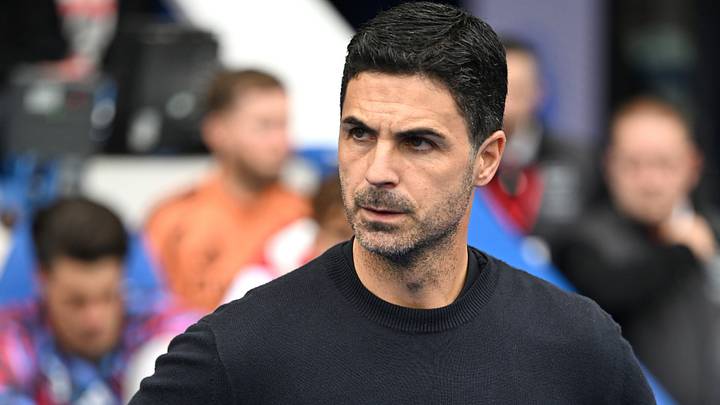
FALMER, England — Mikel Arteta confessed that he could tell his Arsenal squad would be struggling from the very first throw-in of Saturday's visit to Brighton & Hove Albion, conceding that the gap in intensity was "so clear."
The defeated manager wasn't the only one to spot the disparity early on, but as the sole individual at the Amex capable of addressing those glaring weaknesses, Arteta's unflinching candor only drew the scrutiny back onto himself.
Brighton cruised to a thoroughly warranted 3–0 advantage on the club's 125th anniversary, pressing their sluggish opponents into submission and inflicting their heaviest loss in over three years. The Seagulls didn't break the deadlock until the 31st minute through Pascal Groß's clean strike into the bottom corner, yet the tone had already been established within the opening moments.
"In the first throw, you could sense it, it was so clear," Arteta seethed, his voice barely above a tense whisper as he grimaced through his post-match media obligations. "We put ourselves in trouble one time, two times, three times, and we need to get out of that much quicker. And that's one of the biggest lessons that we have to take from the game."
The relentless nature of Brighton's press came as no shock to Arsenal. The Seagulls entered the match leading every available off-ball metric and had just come off dismantling Manchester United at Old Trafford. "The first thing that we had discussed, it was about the first pass," Arteta confirmed. "If you don't get out of that first pass as winners, it will be extremely difficult to dominate the game, and you don't have any probability of winning the game.
"We knew that, but that's again, credit to them for what they've done, because they overcame us, and they had another edge than we did, and that's something that, at this level, it's extremely important to respect and to understand before anything else."
Arteta grudgingly acknowledged that Brighton "had another bite." "There was a lot of moments when the ball is 50-50, and it changes hands, and most of the time it was for them."
Why Arteta Didn't Intervene Against Brighton
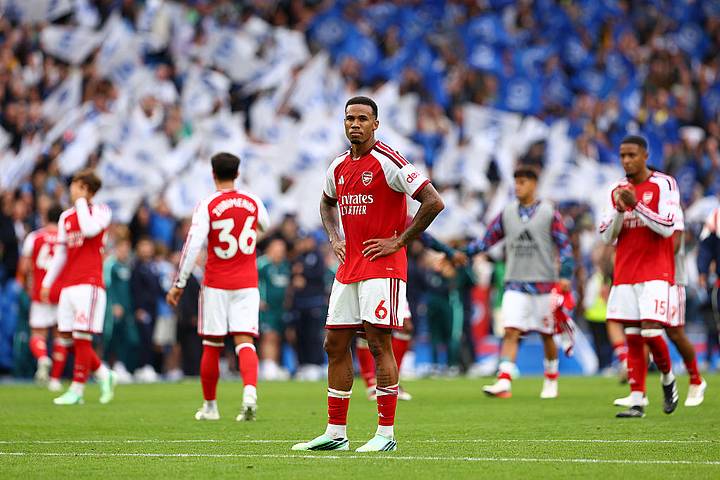
If it was all so apparent from his technical area before things had even begun to unravel, it raises the question of why Arteta failed to act swiftly. The Basque manager was asked whether he had considered making substitutions at the break. "I was," Arteta admitted after a brief pause, "but I would believe it wasn't the right moment to do that with the things that we wanted to change for the second half."
The lineup stayed unchanged, yet they were unable to execute Arteta's revised instructions. Arsenal continued to attempt — and repeatedly fail — to play through Brighton's press, with Kai Havertz dropping deeper to take his turn in surrendering possession. Unlike many of his colleagues, Havertz managed to concede a corner rather than gift Brighton a direct shot. Unfortunately for the German, Chema Andrés headed home from the resulting set piece.
"At halftime we tried to change it, we started the second half and we made again two or three really difficult decisions that put us under pressure," Arteta lamented, visibly deflated while recounting the numerous "technical errors" of his side. "The moment we could get some momentum, it was probably too late."