
 ไทย
ไทย English
 中國人
中國人
The summer transfer window has officially shut, ending all opportunities to bolster squads ahead of the 2026–27 campaign, and unlike previous seasons, Barcelona were proactive and frequent participants in the market.
Barcelona were finally able to operate without restrictions during the transfer window after satisfying La Liga's financial fair play requirements for the first time since 2022. The outcome? Eight permanent signings — twice the number they had managed across the two years of the Hansi Flick era.
The Catalan club splashed approximately $245.6 million (€212 million) to strengthen an already imposing squad that has claimed consecutive La Liga titles under the German manager. Headline arrivals Rodri, Anthony Gordon, and Karim Adeyemi have already offered glimpses of their potential impact, while the late addition of Gabriel Jesus only adds further depth and competition to the Barça roster.
Several familiar names also departed during the summer, with the club saying goodbye to strikers Robert Lewandowski and Ferran Torres, along with last season's captains Marc-André ter Stegen and Ronald Araújo — the latter two exiting on loan. A handful of La Masia graduates also moved on, with Ansu Fatí and Marc Casadó being the most notable homegrown departures.
Roster Strengths
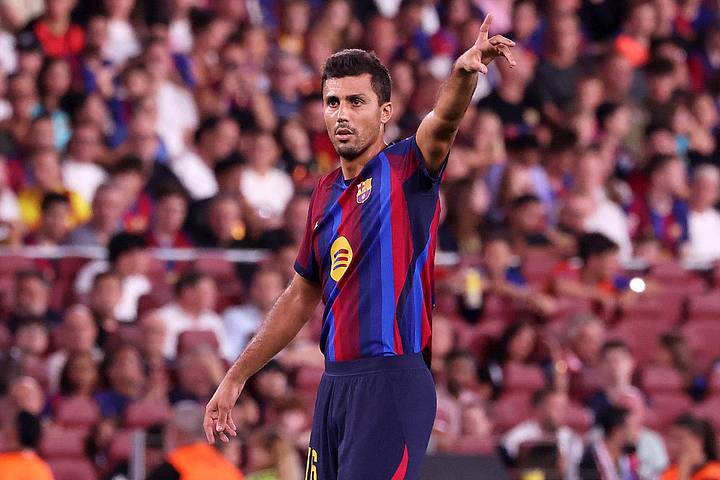
It's no stretch to say that, when firing on all cylinders, Barcelona now possess the finest No. 6 and No. 8 in global football with Pedri and Rodri. As Barça tradition seems to demand, Flick has arguably the most complete midfield unit in world soccer at his fingertips.
Rodri's move to Barcelona seemed virtually impossible when the window opened — he had appeared destined for Real Madrid. But after steering Spain to glory at the 2026 World Cup and earning player of the tournament honors, Barcelona swooped in to hijack his Madrid transfer and swiftly agreed personal terms. They then sealed a deal with Manchester City to bring the 2024 Ballon d'Or winner to the Blaugrana.
Beyond the outstanding Rodri–Pedri partnership, Barcelona also possess two of the planet's finest attacking midfielders in Fermín López and Dani Olmo. They also have a future superstar in Marc Bernal, who stands to gain enormously from playing alongside Rodri, not to mention two elite talents — when fit — in the currently sidelined Gavi and Frenkie de Jong. It's little surprise Casadó chose to leave.
Close behind in terms of squad strengths are Barcelona's wide players. Lamine Yamal and Raphinha are a strong case for the best winger pairing on the planet, but the arrivals of Gordon and Adeyemi open up a wealth of attacking options for Flick to experiment with.
Roster Weaknesses
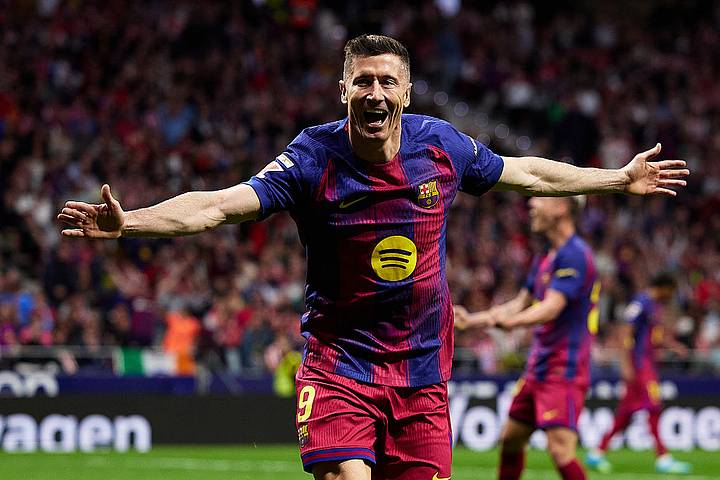
Flick's attack may be fearsome, but the club's primary objective this summer was to find a striker capable of matching the caliber Lewandowski brought when he arrived in 2022. Julián Alvarez was the clear-cut answer, but Atlético Madrid ensured he remained Barcelona's most talked-about transfer that never materialized — a drawn-out saga that the football world is likely relieved to see concluded, at least for now.
Hamza Abdelkarim was the only natural center forward remaining at the club following Torres' departure later in the window. Jesus' Deadline Day arrival addressed that need, but the Brazilian is not operating at a world-class level at this stage of his career and lacks the clinical finishing or physical dominance in the box that Lewandowski provided. The absence of a true No. 9 of that caliber could prove costly.
Elsewhere, it became apparent that Flick showed little appetite for significant defensive investment. João Cancelo's permanent deal — after arriving on loan in January — stands as the Catalans' sole defensive addition this summer.
Flick's approach is somewhat baffling and carries considerable risk. Barcelona's backline was repeatedly exposed last season, ultimately contributing to their Champions League exit. They enter 2026–27 with the same defensive personnel that failed to register a clean sheet in Europe last season, in the process setting a record for a Spanish club with 15 consecutive Champions League matches without a shutout.
Eric García has been repositioned as a right back by Flick's own admission, meaning converted left back Gerard Martín is now firmly established as Pau Cubarsí's central defensive partner. Whether the German's reluctance to recruit an experienced, reliable defender proves to be the right call remains to be seen.
Barcelona's Strongest Starting XI
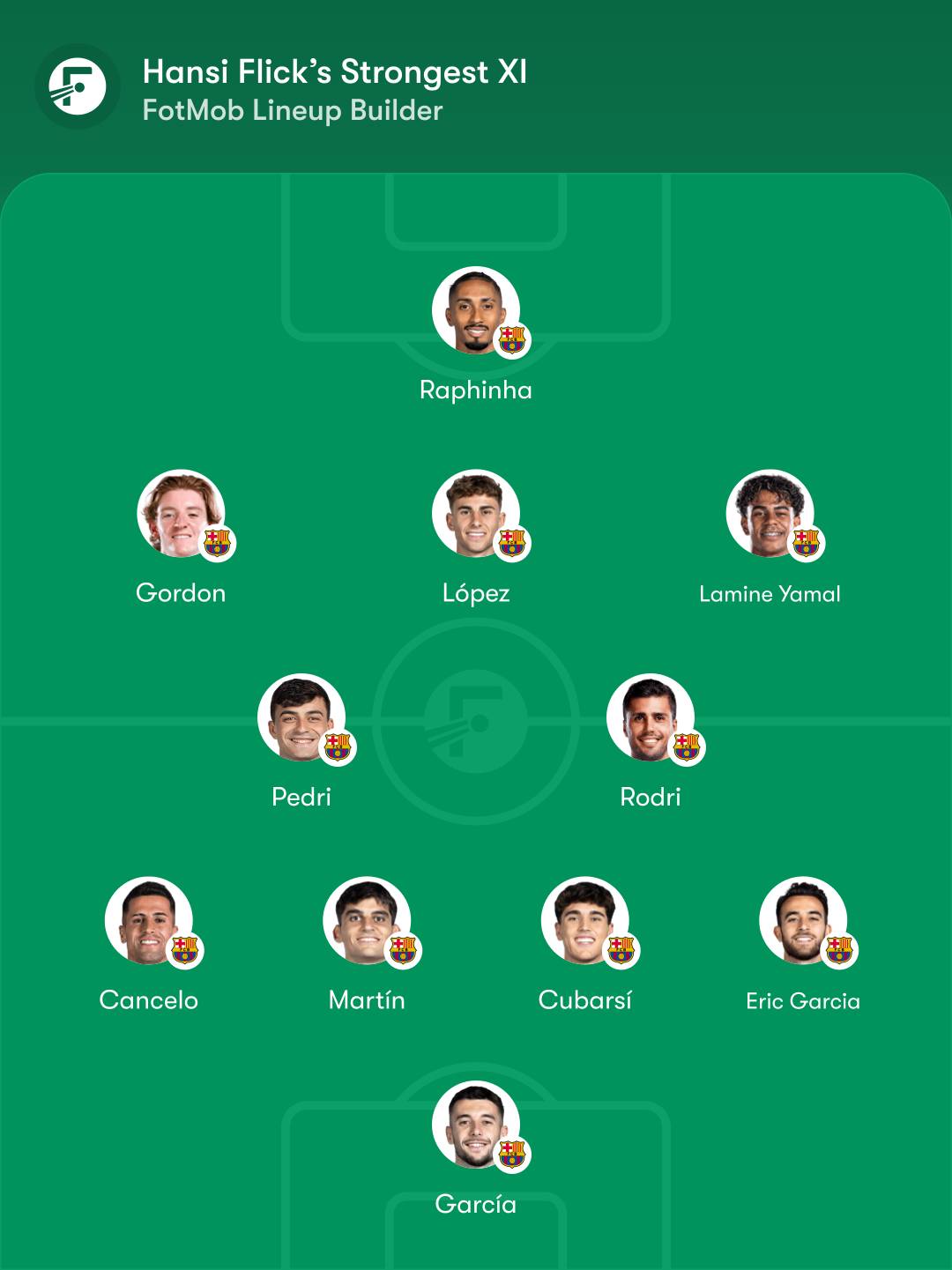
GK: Joan García — Having claimed his first Zamora trophy in his debut campaign at Barça, Joan García will look to build on an impressive 2025–26 season. The goalkeeper position is in safe hands for the foreseeable future.
RB: Eric García — García has revived his Barça career under Flick, transforming from a peripheral figure to a key player in 2025–26. With Jules Koundé struggling significantly, the right back spot now firmly belongs to the Spaniard.
CB: Pau Cubarsí — The generational defender announced himself on the grandest stage with a commanding 2026 World Cup. Barcelona's defensive setup carries risk, but Cubarsí elevating his game further this season could single-handedly resolve much of the team's defensive vulnerability.
CB: Gerard Martín — Dubbed "Gerard Maldini," the former left back has earned Flick's complete confidence as Barça's left-footed center back. He may not grab the headlines, but Martín has quietly gone about his job and delivered more often than not since making the switch. Andreas Christensen is currently his only serious challenger.
LB: João Cancelo — Cancelo impressed during his loan spell and displaced Alejandro Balde as the first-choice left back. He still holds the edge over Balde, though the emerging Xavi Espart now represents his most significant competition.
CM: Rodri — Rodri will serve as the anchor of Barcelona's midfield and provide the defensive cover the backline has been crying out for. If he can stay fit and perform at his peak, his presence alone could elevate Barça to the top of European football — such is the magnitude of his influence.
CM: Pedri — The creative heartbeat of Barcelona's entire system. Flick's team operates to the tempo Pedri sets, with the Spaniard functioning as the tactical brain of the midfield. When he's in form, nobody at his position comes close.
RW: Lamine Yamal — Heading into the season at just 19 years old, Lamine Yamal will be chasing the one major honor still missing from his collection: the Champions League. Should he claim it, he will only further cement his status as the greatest teenage talent the sport has ever witnessed — and a Ballon d'Or could well be on the horizon too.
AM: Fermín López — Only Bruno Fernandes surpassed Fermín's 30 goal contributions among attacking midfielders in Europe last season. He is developing into a genuinely exceptional talent and, partly due to his unfortunate World Cup absence, still feels somewhat underappreciated. Olmo provides strong competition, but Fermín holds the starting spot for now — and has already netted three goals in three appearances.
LW: Anthony Gordon — The Englishman brings an additional dimension to Barcelona's attack, functioning in many ways as a Raphinha alternative. His pace causes problems for defenders, but he has also demonstrated sharp passing instincts in his early Barça appearances. His relentless pressing is a vital component of Flick's tactical setup.
ST: Raphinha — With no elite striker signing secured, it falls to Barcelona captain Raphinha to lead the attack. His transition to the No. 9 role is still in its early stages, but five goals in three matches suggest he is more than capable of delivering. If Flick successfully converted Torres from a winger into a functional striker, there's every reason to believe he can do the same — or even better — with Raphinha.