
 ไทย
ไทย English
 中國人
中國人
The North American World Cup has come to a close—the grandest and most lucrative edition in the tournament's 96-year history—and Sir David Beckham believes it will leave a lasting impact on soccer's future in the United States.
On the field, a Spanish squad spearheaded by Lamine Yamal and Golden Ball recipient Rodri claimed the title—their triumph a reflection of a soccer culture built on technical brilliance and teamwork. La Roja added yet another star to their badge after commanding the tournament and edging out Lionel Messi's Argentina in the final, with the 1–0 scoreline barely capturing the extent of Spain's dominance.
Messi, widely regarded as the greatest player of all time, shone once more at this World Cup, steering his nation to the final with eight goals and four assists. In contrast to Qatar four years prior, where tears of joy flowed freely, it was heartbreak for Messi and the Argentine supporters gathered in East Rutherford, N.J.
Off the field, many Americans developed a newfound appreciation for the cultural and social power of the world's most beloved sport. Over six weeks, U.S. cities were awash with the colors and fervor of supporters from every corner of the globe—a passionate spectacle that silenced doubters who had forecast empty seats due to steep ticket prices or a perceived lack of American interest.
The Needless Fears About Empty Seats
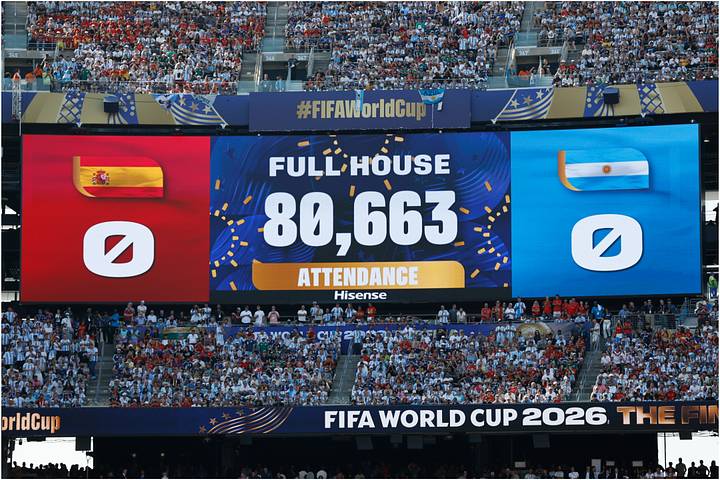
Figures released by FIFA—shared by Chief Business Officer Romy Gai with Italian publication Il Sole 24 Ore—underscore the sheer magnitude of the event: "Across 104 matches, nearly seven million fans filled the stadiums, averaging 65,000 per game with a stadium occupancy rate of 99.7 percent.
"In China and the Arab world, work schedules and school hours were rearranged so that everyone could follow the matches. But I would also point to a cultural transformation: the North American market—the wealthiest in the world—has finally discovered and embraced football."
These sentiments were echoed ahead of the final at MetLife Stadium—rebranded as 'New York, New Jersey' for the tournament—by Sir David Beckham. Now serving as president and co-owner of Inter Miami, Beckham first set foot in the U.S. as a player in 2007. His transfer to the LA Galaxy opened the door for many who followed, delivering a major boost to MLS in both financial and cultural terms.
Beckham: We Just Want a Seat at the Table
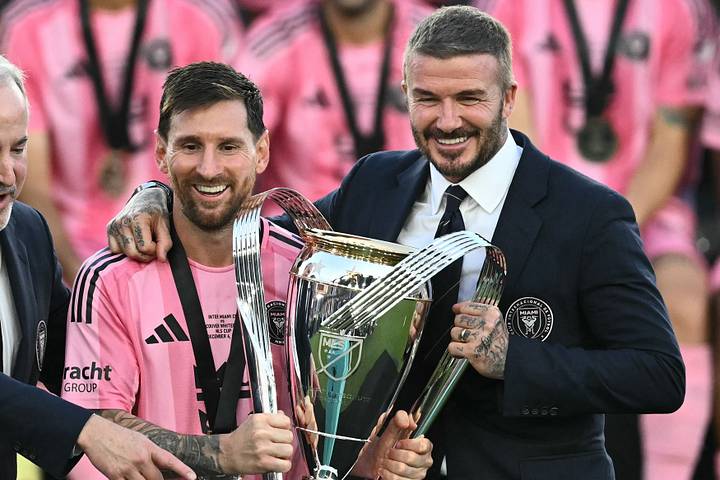
At a VIP breakfast hosted by Verizon—an official 2026 World Cup partner—and attended by Sports Illustrated, the Manchester United and England icon looked back on the evolution of U.S. soccer over the past two decades: "When I first came here, one of my main goals was making this game more accessible to young kids," Beckham said. "During this past month, people realized there is nothing bigger than a World Cup."
Beckham, while respectful of the scale and mainstream appeal of other American sports, remains firmly optimistic about soccer's trajectory. "It's not just because of the World Cup—it's because of the foundation we've built. We want to compete with other sports and we know we're not as big yet, but we want to be part of the conversation. We just want a seat at the table, and soccer has never been in a stronger position."
Enable functional cookies to see this feature.
Now that the spotlight begins to dim, the real challenge awaits. Only time will tell whether soccer and MLS can harness the World Cup's momentum and sustain their growth, carving out an ever-greater place in the American sporting landscape.
Beckham is certain they will. As always, time and the game itself will deliver the verdict.