
 ไทย
ไทย English
 中國人
中國人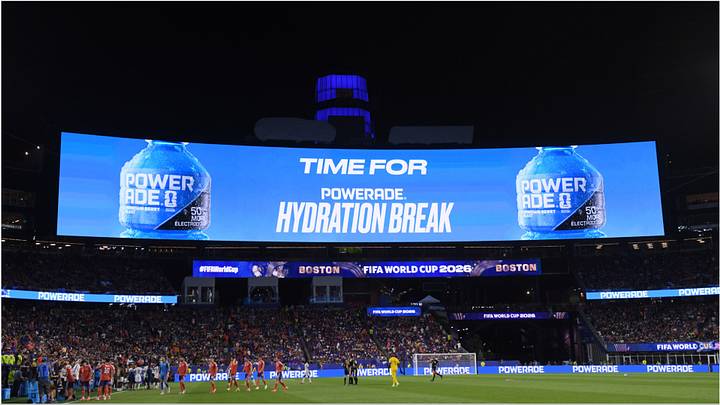
Netherlands center back Virgil van Dijk has added his voice to the mounting criticism surrounding the hydration break policy at the World Cup, cautioning FIFA that the stoppages are "not great" for television audiences and are ultimately diminishing the experience for both players and spectators.
Under new regulations introduced ahead of the tournament, each half of play features a mandatory three-minute hydration stoppage—a concept first used at the 2014 World Cup and typically reserved for matches played in high-heat conditions.
Television networks have been permitted to air commercials during these intervals, prompting widespread debate over whether the sport is shifting away from its traditional two-half format toward a four-quarter structure similar to that of the NFL and NBA, driven largely by commercial interests.
Van Dijk got on the scoresheet as the Netherlands played out a 2–2 draw with Japan in Dallas, yet hydration breaks were still enforced in both halves despite the AT&T Stadium operating with a closed roof and a climate-controlled environment.
Speaking after the match, Liverpool's captain chuckled as he carefully weighed his words on the topic: "I think hydration breaks are really interesting."
"I was obviously watching almost all of the games leading up to today. I think every time it cuts to commercials it's a bit ... not really something I enjoy. I think for neutral viewers watching at home it is also not great. So if it is genuinely hot, it would obviously make sense to include them, but I think each game needs to be assessed individually, in my opinion.
"But I think I've said more than enough on that already."
Controversies Already Racking Up for FIFA
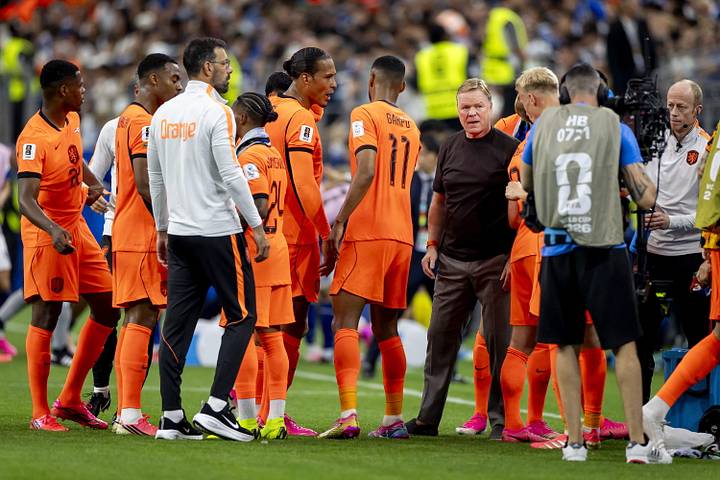
FIFA's handling of this summer's World Cup has been poorly received by a significant portion of the fanbase, with much of the discontent rooted in financial concerns.
Steep ticket prices dominated the conversation for months prior to the tournament and appeared to contribute to a number of visibly empty seats during the opening fixtures. Official attendance figures have frequently failed to match what viewers could see with their own eyes, and FIFA's attempts to clarify the numbers have only deepened the confusion.
By the tournament's third day, controversy had shifted to on-field matters. A contentious onside ruling during Switzerland's 1–1 draw with Qatar went unsupported by any evidence or replay footage until hours after the final whistle, at which point FIFA cited a "technical issue."
In defending the VAR decision, FIFA eventually released images of the call which, in the view of many observers, still failed to justify the official onside verdict.
The hydration breaks have become yet another flashpoint between FIFA and supporters, with one broadcaster even missing 10 seconds of Mexico's opening win over South Africa due to a delayed return from a commercial break.
Broadcasters are under no obligation to air advertisements during hydration breaks, and some have specifically committed to maintaining a continuous live feed of the action throughout.
Even fans inside the stadiums have expressed frustration on multiple occasions, as the resumption of play was held up to accommodate the full three-minute breaks, despite both teams being ready and waiting to restart.
"FIFA is always looking for ways to innovate," said Zac Kenworthy, vice-president of production at Fox Sports, in an attempt to provide context. "They're very intrigued by the American market and the way we present sports here."