
 ไทย
ไทย English
 中國人
中國人
Premier League squads could soon look dramatically different ... and considerably younger, particularly for certain clubs.
Late Tuesday, the FIFA Council, gathering in Vancouver this week for the 76th FIFA Congress, unanimously agreed to explore the possibility that all senior club sides be "obliged to always have at least one homegrown player from the Under-20 or Under-21 category on the field of play."
A proposal for the sweeping change—designed to accelerate the development of young players—will be presented to the FIFA Council at some point over the next year, with the precise definition of "homegrown" still to be established.
This rule could profoundly impact club sides across the globe, shaping not only how and when managers rotate players, but also transfer window activity and how squads are assembled from the outset. The change would ultimately discourage clubs from purchasing and importing large quantities of experienced star talent, pushing them to invest more focus and resources into nurturing their own youth players.
It would particularly shake up the Premier League, where several clubs have failed to field a homegrown youngster in a starting lineup throughout the entire season.
Premier League's Current Pool of Young Talent
Currently, England's top division requires that each club's 25-player squad contains "no more than 17" players who are not homegrown, meaning eight spots are reserved for locally-developed talent.
However, there is no stipulation regarding how frequently those players must actually be on the pitch. A comparable rule exists in the UEFA Champions League, and both competitions define a homegrown player as someone who has completed at least three full seasons between the ages of 15 and 21 within the club's academy or at another club's youth system in the same country.
Four Premier League clubs have not featured a homegrown player under 21 years old in their starting lineup at any point this season: Brentford, Leeds United, Aston Villa, and recently-relegated Burnley. These four sides would be most impacted by the rule change, facing the challenging task of rapidly developing youngsters or urgently scouting for new emerging talents.
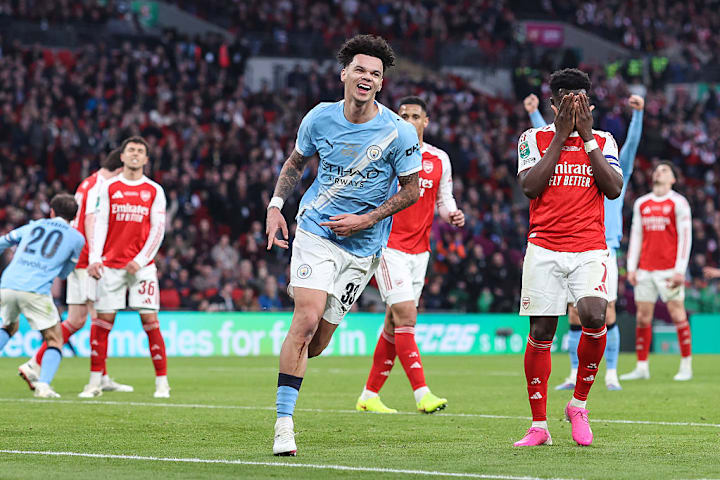
On the other hand, Manchester City would be the best-placed Premier League club, having featured an U21 homegrown player in the starting XI in 30 of their 33 league fixtures so far, according to The Times. Nico O'Reilly, 21, who has progressed through City's academy since the age of eight, is largely credited for that achievement, having started 26 league matches so far this campaign.
Manchester United would also be well-positioned, with 20 of their 34 league games featuring an U21 homegrown starter, largely thanks to Kobbie Mainoo. The 21-year-old academy graduate has made 12 starts in the last 13 league outings, impressing under interim manager Michael Carrick's guidance.
United also hold a remarkable 89-year-old record of including at least one homegrown player in every single matchday squad, stretching back to Oct. 30, 1937. That said, even this record does not guarantee or account for actual playing time, with young players not always making it onto the pitch.
As Premier League clubs eagerly await FIFA's ruling, all of them would be wise to start identifying better pathways to bring their youth development systems up to the required standard.