
 ไทย
ไทย English
 中國人
中國人
FIFA is considering a significant rule change for the 2026 World Cup in North America, which would clear all yellow cards twice—once after the group stage and again following the quarterfinals—in an effort to prevent top players from missing crucial knockout matches.
In previous tournaments, only a single amnesty period existed, with yellow cards wiped after the quarterfinals. This meant teams frequently had players suspended across two knockout rounds—the round of 16 and the quarterfinals—due to accumulated bookings. With the tournament expanding to 48 teams for the first time, adding an extra knockout round in the form of the round of 32, the proposed change aims to reduce player suspensions across the now-greater number of high-pressure matches.
This potential second yellow card amnesty is expected to be among the subjects on the agenda at the Vancouver FIFA Council meeting on Tuesday, ahead of the broader FIFA Congress gathering all 211 member associations in the World Cup host city on Thursday.
The suspension threshold will remain at two bookings, and red cards will continue to carry an automatic one-match ban. The proposed rule would simply allow players who have already received a yellow card to avoid being on the edge of suspension for multiple subsequent matches.
FIFA Congress Takes Over Vancouver
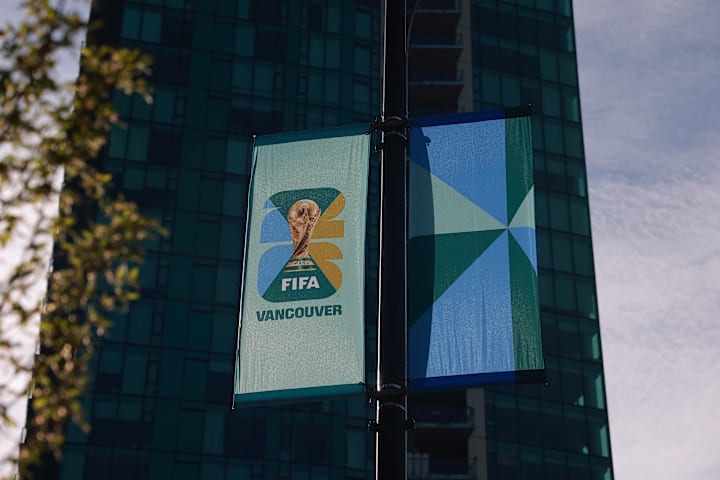
The yellow card adjustment is just one of several matters expected to be addressed in Vancouver this week, as more than 1,600 delegates gather in the West Coast city to tackle the sport's most pressing issues.
Additional topics may include the possible reinstatement of Russia in international football, future World Cup host selections, and further rule modifications. Holding these discussions in Canada is particularly fitting, as the country's domestic competition, the Canadian Premier League, is serving as FIFA's testing ground for Football Video Support and Arsène Wenger's proposed "daylight" offside rule.
After the week's proceedings in Vancouver conclude, the city will shift its focus to hosting seven matches at this summer's World Cup, including two games featuring co-host Canada, along with a round of 32 and a round of 16 fixture.
This story will be updated with FIFA's decision.