 ไทย
ไทย English
 中國人
中國人
FIFA has announced that all matches during the 2026 World Cup will feature mandatory three-minute breaks at the midpoint of each half—termed "hydration intervals"—essentially dividing every game into four segments, irrespective of weather conditions.
While this format is standard in sports popular among co-hosting nations U.S. and Canada—such as NFL football, NBA basketball, and NHL ice hockey, which all use four-quarter systems—it represents a dramatically foreign concept for soccer.
"Cooling intervals" aren't entirely unprecedented. Breaks lasting between 90 seconds and three minutes have been implemented previously at referees' discretion, depending on temperature and humidity levels. Nevertheless, no World Cup has ever operated under predetermined regulations requiring stoppages at the 22-minute mark.
"Every match will include a three-minute hydration interval, regardless of venue, roof coverage, or temperature conditions," stated 2026 World Cup chief tournament officer Manolo Zubiria in an official FIFA announcement. "The break will last exactly three minutes from whistle to whistle in both halves.
"Naturally, if an injury occurs around the 20th or 21st minute and continues, this situation will be handled immediately by the referee."
Why Are FIFA Dividing World Cup Matches Into Quarters?
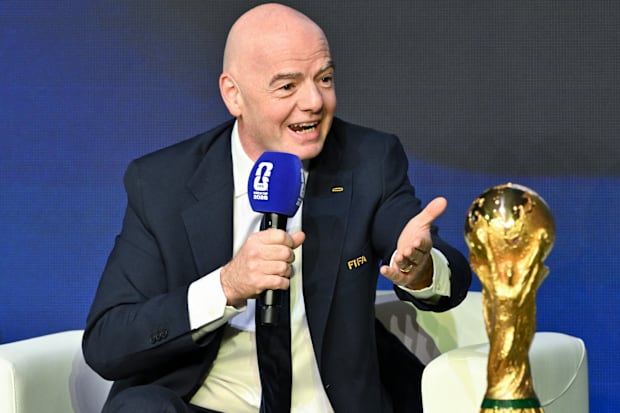
FIFA President Gianni Infantino frequently states that the upcoming World Cup will equal "104 Super Bowls." Although viewership for certain group stage matches may not reach the audience of the NFL's premier event, they will mirror American football by featuring four quarters.
Rather than any sinister plot to Americanize soccer, FIFA maintains this decision prioritizes athlete protection. "FIFA places player welfare first," the global soccer authority emphasized.
This universal implementation aims to "guarantee identical conditions for all teams across every match."
FIFA hasn't addressed how these new interruptions might be utilized. Broadcasters will likely capitalize on these moments for profitable advertisements, while coaches will certainly use the opportunity to communicate strategic adjustments.
The strategic implications of these scheduled breaks could prove substantial if clever managers discover ways to leverage them. The gap between a coach's instructions to players will be halved, while the frequency of mid-game tactical discussions has tripled.
READ THE LATEST WORLD CUP NEWS, PREVIEWS & ANALYSIS HERE