
 ไทย
ไทย English
 中國人
中國人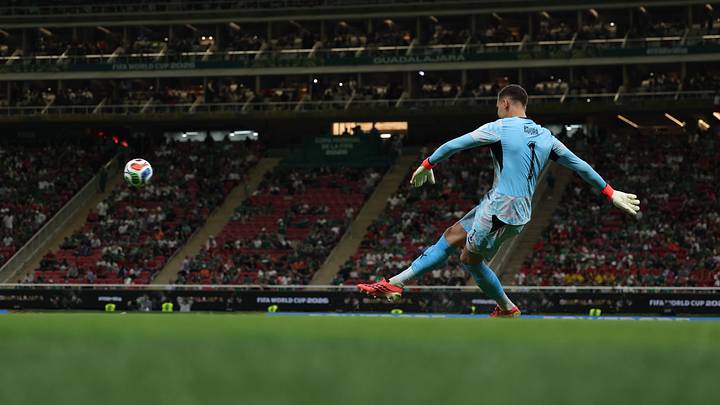
FIFA's dynamic ticket pricing strategy stumbled on the opening day of the 2026 World Cup, as a significant number of empty seats were visible at the Estadio Akron during the South Korea vs. Czechia match.
Steep ticket prices for this summer's tournament have dominated pre-competition conversations, and the debate is set to intensify as the event unfolds, particularly following what was observed in Mexico.
While the curtain-raising fixture between Mexico and South Africa at the 87,000-capacity Estadio Azteca drew a full house, South Korea's subsequent 2–1 victory over Czechia drew a noticeably thinner crowd.
Although official figures listed the attendance at 44,985 within the 45,664-seat Estadio Akron, vacant red seats were clearly visible throughout the venue, most notably in the center of the east stand and around the pitchside VIP area.
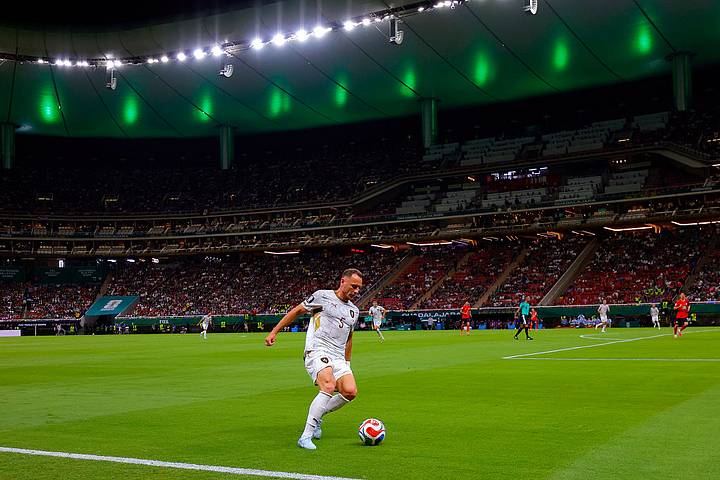

The Telegraph reports that tickets in the most affected sections typically ranged from $400 to $5,000, suggesting the steep pricing was largely to blame for the unoccupied seats.
FIFA has drawn heavy criticism for its dynamic pricing approach to ticket sales across North America, where demand essentially dictates the cost of attending a match. For a single attendee to watch a game in all eight rounds of the tournament, the total expenditure could reach a staggering $5,225.
The global football governing body has been accused of "artificially inflating prices" by the attorneys general of New York and New Jersey—allegations FIFA has firmly rejected.
Despite FIFA president Gianni Infantino's claims that every World Cup match is sold out, tickets remain available across various price points, particularly for less high-profile games.
Gianni Infantino Defends Ticket Prices

At his pre-tournament press conference on Wednesday, Infantino stood firm when pressed on the issue of high ticket prices, arguing that the variable pricing model stops secondary markets from profiting off cheaper tickets.
"If you sell it at a lower price point, in this particular market it would have gone—which is perfectly legal in this country—in secondary markets at much, much, much higher prices and where would the money go then?" Infantino said. "Well, to those who organize secondary markets or black market activities and not to football.
"Every dollar that comes in goes back to the development of football. We have one competition every four years. The 47 other months out of the 48, we are investing this revenue in growth. Nobody else is doing that."
Similar attendance concerns are not anticipated when co-hosts Canada and the United States take the pitch on Friday for their respective group stage matches against Bosnia and Herzegovina and Paraguay. Attention will then shift to Switzerland's encounter with Qatar on Saturday, along with Haiti's clash against Norway and Australia's showdown with Türkiye.