
 ไทย
ไทย English
 中國人
中國人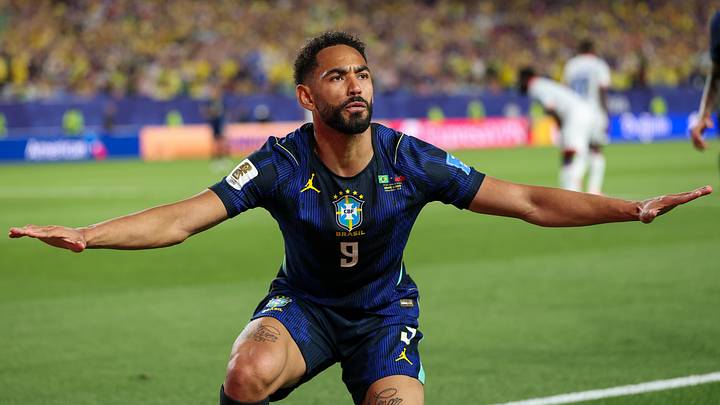
Following a disappointing 1–1 stalemate against Morocco that Carlo Ancelotti described as "nervous," Brazil's head coach struck a tone of cautious optimism ahead of Friday's encounter with Haiti. "We can do better," he said, before adding with conviction, "We have to do better."
Whether Brazil actually improved remains debatable, or perhaps Haiti were simply far inferior to Morocco.
Whatever lessons Ancelotti might have drawn from a comfortable victory over a side ranked 80 positions below them in FIFA's global standings were overshadowed by a worrying injury to Raphinha.
Brazil had the match well in hand by the break—fortunate timing, as the flawed title hopefuls managed just two shots (both off target) throughout the entire second half.
Brazil Fortunate to Get Away With Opening Goal
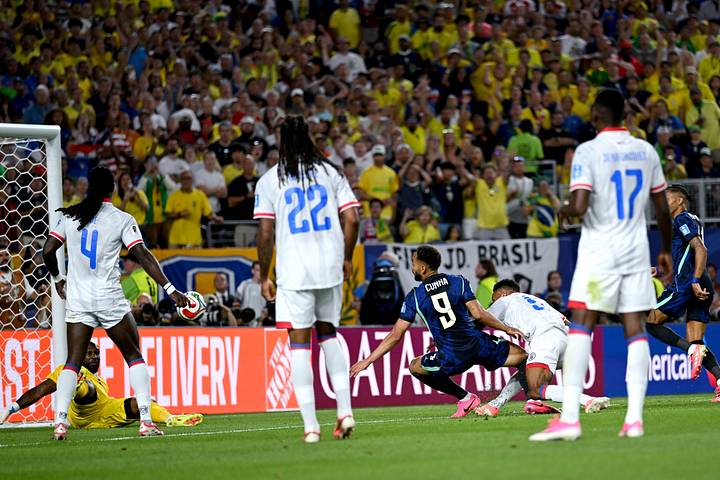
As the old saying goes, Napoleon always favored a lucky general over a skilled one. Brazil benefited from a stroke of fortune to claim that crucial opening goal in the 23rd minute.
Vinicius Junior's effort was spilled carelessly by Johny Placide. Hannes Delcroix reached the loose ball before anyone else, but only managed to inadvertently deflect it onto Matheus Cunha's left leg, sending it looping past Placide. Meanwhile, Cunha's right leg had collided firmly with Delcroix's calf.
The Haitian center back seemed strangely unbothered by what looked like an obvious foul, raising no objection to a goal that somehow survived a quick check from the video assistant referee.
That fortunate opener cracked the game open and set Brazil on course for a comfortable victory. Yet, given Haiti's chaotic defending, the Seleção may not have needed any assistance from the officials to take the lead.
Brazil's Best Player? Haiti

Barcelona's former Brazilian midfielder Marinho Peres was once puzzled by the high defensive line his Dutch coach Rinus Michels had envisioned. "Michels wanted the center backs to push up to form the offside trap," he recalled years later. "In Brazil this was called the donkey line: people thought it was foolish. The idea was that if you beat one defender, you beat all of them."
Marinho would soon learn that this tactic isn't so foolish when you apply proper pressure on the ball carrier. In that context, a high defensive line compresses the pitch by repeatedly catching opponents offside. Haiti, however, deployed the "donkey line" on Friday without any such pressing.
With virtually no defensive pressure applied, Lucas Paquetá had all the time he needed to loft a pass over Haiti's disorganized backline. The defense was so poorly positioned that Vinicius Jr. didn't even need to build up speed to glide past the white shirts, calmly slotting Brazil's third goal beneath Placide.
Haiti had already handed Ancelotti's side its first two goals by squandering possession cheaply in midfield. After such a tepid start, Brazil seemed destined for a frustrating night against a deep defensive block. Haiti instead chose to leave the Seleção with vast spaces to exploit on the counter.
Carlo Ancelotti's Search for a No. 9 Ends
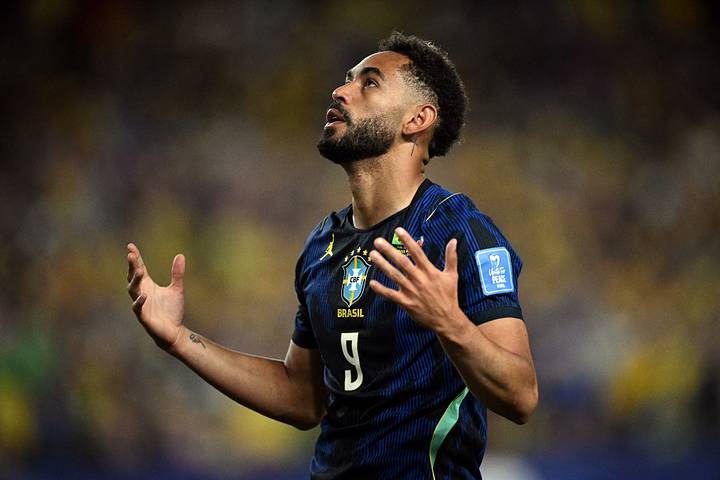
Amid all the discussion surrounding Neymar's involvement—which has yet to produce even a single minute of action for the celebrated veteran—the most significant selection decision Ancelotti made was dropping João Pedro. The Chelsea striker watched Brentford's Igor Thiago struggle against Morocco, squandering his only opportunity wide within the opening quarter-hour.
Thiago's absence was one of two changes Ancelotti made, with Cunha entering the starting lineup. The Manchester United forward is most effective when playing off a traditional striker—or even from the left flank—yet he scored twice on his first-ever World Cup start.
Cunha's goals owed more to Haiti's defensive shortcomings than any Brazilian brilliance, but the role he occupied was a fascinating tactical wrinkle from Ancelotti.
The team's No. 9 spent the majority of his time in midfield, frequently dropping deeper than both Paquetá and Bruno Guimarães—much like Harry Kane does for England. Cunha's positioning gave Brazil's slender midfield an extra presence in central areas and unlocked the best from the two wide men tasked with making runs beyond him. Until one of them was forced off through injury, that is.
Raphinha Injury Throws Plans Into Disarray
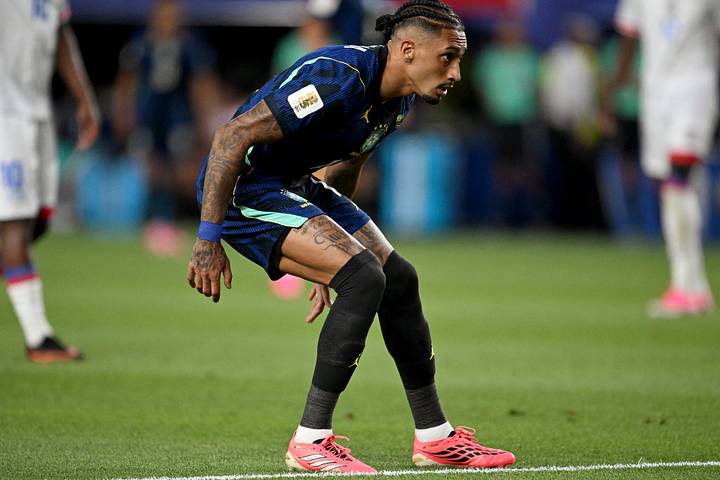
A system built around wingers running in behind is perfectly suited to Raphinha. As Ancelotti enthused just before the tournament: "Raphinha is the best player in the world at attacking depth."
SI answers is our AI answer engine trained on human-created content.
However, the Barcelona star appeared to push himself one sprint too far, pulling up off the ball before the first half had even come to a close.
Bournemouth's teenage sensation Rayan was an intriguing option as a substitute, but stepping into Raphinha's shoes—for everything he contributes on and off the ball—is a tall order for anyone, let alone a 19-year-old with just three international caps. Failing to register a single shot or completed dribble across his 50-minute appearance did little to strengthen Rayan's case.