
 ไทย
ไทย English
 中國人
中國人
World Cup legacies. Across many editions of the tournament, they've been defined by expensive new stadiums that sit largely vacant and deteriorate as "white elephants" in the years following the final whistle. Even so, there's a prevailing belief that major events like the World Cup and the Olympics must leave an enduring mark on their host nations— it's not solely about the moment itself, as expensive as that moment has become in the modern era.
As with any event, there's no guarantee of genuine impact or legacy, and in 2026, amid soaring living costs, political polarization and a World Cup with unprecedented affordability challenges, the tournament's long-term footprint remains unclear.
It's a vastly different story from the last World Cup held in North America, when the United States opened its doors to the world in 1994. That event sparked the creation of Major League Soccer, which was established in 1993 and kicked off in 1996, as FIFA mandated a viable, top-tier domestic league for any nation seeking to host the tournament.
31 years on, MLS stands as a legitimate top-10 league globally. It boasts 30 clubs, World Cup champions—headlined by Argentine icon Lionel Messi—and franchise valuations ranging from $400 million to over $1 billion for select teams. In many respects, it's been a remarkable achievement. Can the 2026 World Cup deliver a comparable legacy of growth to the U.S. top flight?
⏪ 1994 ⏪ pic.twitter.com/O0MK2R8Kkk
"The next decade will redefine what's possible for MLS and North American soccer," MLS Commissioner Don Garber declared in his State of the League address in December. "As the world's attention turns toward North America, the 2026 World Cup will soon act as rocket fuel for our entire ecosystem, and it will do so for MLS."
Yet, for all of Garber's enthusiasm, he offered little detail on what that might actually look like. Has MLS genuinely positioned itself to experience a World Cup boost, or will the potential surge simply elevate the tournament's profile in the U.S. and perhaps the popularity of European soccer, while leaving MLS on the sidelines?
MLS's Apple TV Deal Improves
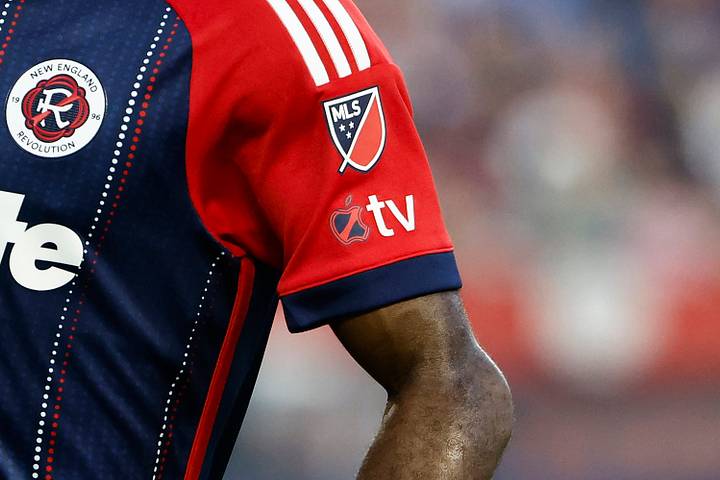
In its first domestic World Cup season, MLS leadership made a significant shift in how it approached its Apple TV broadcast agreement, originally signed in 2022. After three seasons with most live matches locked behind the additional paywall of "MLS Season Pass on Apple TV," MLS and Apple eliminated the extra cost, making MLS content available to all Apple TV subscribers.
While MLS Season Pass figures remain undisclosed, Apple TV reportedly counts more than 45 million subscribers worldwide, all of whom now have access to every moment of MLS action on the same platform as Formula 1 in the U.S.
In May, MLS announced that the new structure was delivering results, noting that the league had averaged "7.9 million live match viewers per week across streaming and linear platforms through the first three months of the 2026 season, a 62% increase year-over-year."
Notably, that also came with an average viewer age of 39.6 years, the youngest among the major North American men's sports leagues. This summer, many of those fans will have the opportunity to watch over 100 MLS players represent their national teams at the World Cup, with an MLS player lifting the trophy being a genuine possibility.
Still Outside of Major TV Channels

Despite MLS's improved accessibility, drawing fans to the league isn't as straightforward as it might appear.
For many viewers, streaming still presents friction, and public conversation continues to be largely shaped by what airs on major networks such as ESPN, FOX Sports and TNT, all of which treat MLS as a secondary concern. Despite FOX broadcasting several matches, MLS rarely features in supplementary content, and the main ESPN channels don't give the league significant airtime. CBS covers domestic soccer through the U.S. Open Cup, USL and CBS Sports Golazo Network, but holds no MLS rights.
As a result, the league best positioned to capitalize on soccer's growing U.S. appeal is the already-thriving English Premier League, thanks to its availability on NBC Sports and its strong media footprint.
What Causes a World Cup Bump?

Despite the year-over-year gains, it's evident that MLS needs to capitalize on some form of boost from this World Cup, given the rare opportunity of the tournament taking place on home soil.
While only eight USMNT players are active in the league, most came through its developmental pipeline. There are nine current MLS players on co-host Canada, a country where soccer—and MLS in particular—lags behind ice hockey and many of the major American leagues in public interest.
For a genuine World Cup bump to materialize for MLS, both the USMNT and Canada need to make deep runs. Nothing would ignite interest more than seeing the co-hosts seize the sporting spotlight.
In Mexico, where soccer dominates the sporting culture, the dynamic is different. But for U.S. and Canadian soccer, an imposter syndrome persists, which, despite recent growth and development, has yet to break free from its niche status.

World Cup Previews

All 48 Teams
Bespoke Illustrations
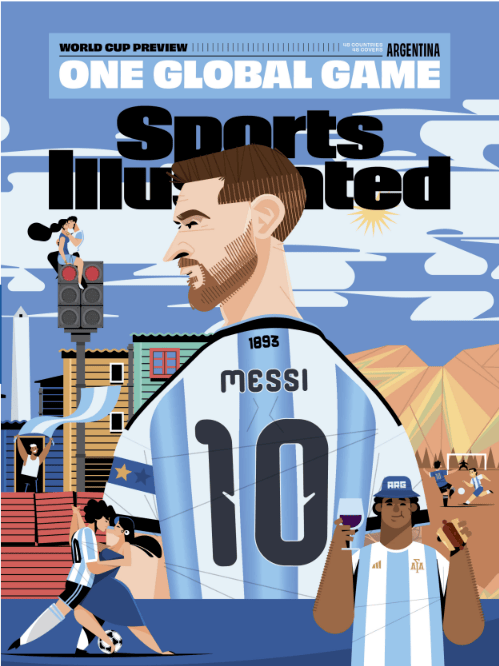
Once soccer itself breaks through, MLS can follow. The league has positioned itself well, given that Inter Miami earns a mention whenever Lionel Messi or Rodrigo De Paul touch the ball, and the fact that four marquee rivalry fixtures are scheduled in the days between the World Cup semifinals and final.
Yet Garber appeared to temper his tone in a recent interview with Sports Business Journal, remaining optimistic about the future while managing expectations around what a potential World Cup boost might realistically deliver.
"The World Cup gives us something to rally around and a great moment of truth, which will cut through a lot of the noise in our country," he said. "But MLS would've continued to grow without the World Cup and will continue to grow after the World Cup. We will maintain our focus on player development, investing in facilities, growing a fanbase, ensuring that our teams are embedded in their communities and that players see us as a league of choice."
The Post-Messi World and Schedule Shift

For all the efforts MLS is making and the uncontrollable variables affecting both the USMNT and Canada's fortunes, it's difficult to quantify what a World Cup bump would truly mean—whether it's higher viewership, greater highlight show presence, or simply more everyday conversation.
At this stage, much of that discussion circles back to Messi and his extraordinary stint with Inter Miami, during which he has generated unmatched interest while winning back-to-back MLS MVPs and guiding his Herons to MLS Cup, Leagues Cup and Supporters' Shield titles. Yet his time won't last indefinitely, as he turns 39 before returning from the tournament.
The challenge for MLS will be ensuring that the World Cup acts as a bridge to its post-Messi era, a transition that will be supported by the post-tournament move to a more conventional, winter-based schedule.
Right now, MLS already has momentum. The question is whether the 2026 World Cup can convert that into enduring popularity, forging a legacy for the domestic game that outlasts the month-long soccer celebration.