
 ไทย
 English
 中國人
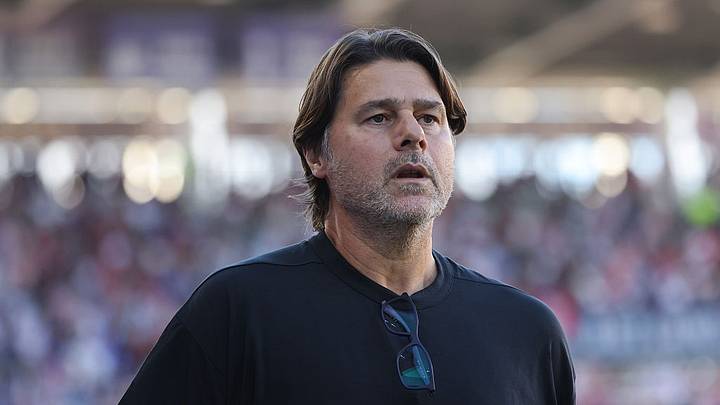
"One day, yes because I really love England," Mauricio Pochettino stated back in April when questioned about a potential return to the Premier League. "I believe my personality and coaching style align perfectly with the Premier League and its culture, mindset, identity and philosophy."
It was a striking declaration from the Argentine, who was nearing the conclusion of his contract with the U.S. men's national team. It also arrived at a moment when his former club Tottenham Hotspur were desperately seeking salvation amid a fierce relegation battle.
Fast forward four months and Pochettino tied his future to the Stars and Stripes, signing a contract extension through the 2030 World Cup. The 54-year-old's long-anticipated return to England's top division would have to wait—or so everyone thought.
A route back to the Premier League has suddenly opened up for Pochettino, though it's not leading him to north London. Instead, it points toward Old Trafford, where Michael Carrick is reportedly set to be dismissed before league action resumes in a fortnight.
Pochettino has emerged as a surprise leading candidate for the Manchester United position, and a release clause in his USMNT contract would allow him to depart U.S. Soccer abruptly to take charge of one of the globe's most prestigious clubs.
It would be a remarkable opportunity for Pochettino to return to club management, but it would also leave the Stars and Stripes in a precarious position.
The Timing Is Less Than Ideal

It would have been a different story had Pochettino parted ways with the USMNT following the 2026 World Cup. The Argentine's contract had run its course, and the team had just been eliminated from the tournament in humiliating circumstances against Belgium in the round of 16.
A new manager could have stepped in and begun the lengthy journey toward the 2030 World Cup. It would have been a significant loss for the USMNT, but it would have been understandable had the coach chosen to move on after a rather turbulent spell in charge of the Stars and Stripes.
But the complete opposite unfolded. Pochettino declared his commitment to the U.S., penned a new deal and got straight back to work. The former Spurs manager then guided his side to a flawless fall window, recording four victories over Chile, Peru, Mexico and Canada during the September-October international break.
The excitement, enthusiasm and expectations surrounding the USMNT are at an all-time high, and the Concacaf Nations League quarterfinals represent the next hurdle for Pochettino to clear this November. Yet now, when the Americans should be entirely focused on a two-legged clash with Haiti, they are being forced to field questions about their manager's future, all while wondering whether he'll still be around the next day or already boarding a flight to Manchester.
Should that scenario materialize and Pochettino walks away mid-break or shortly after, the USMNT would suddenly find itself in chaos. Just as the Stars and Stripes were hitting their stride and building momentum, they would be left without a genuine succession plan—or any plan at all—in place.
The only consolation would be that the managerial change arrives with ample time before the 2030 World Cup. But as Pochettino himself can confirm, building a culture requires far more than just a couple of years.
The USMNT's Identity Takes a Hit
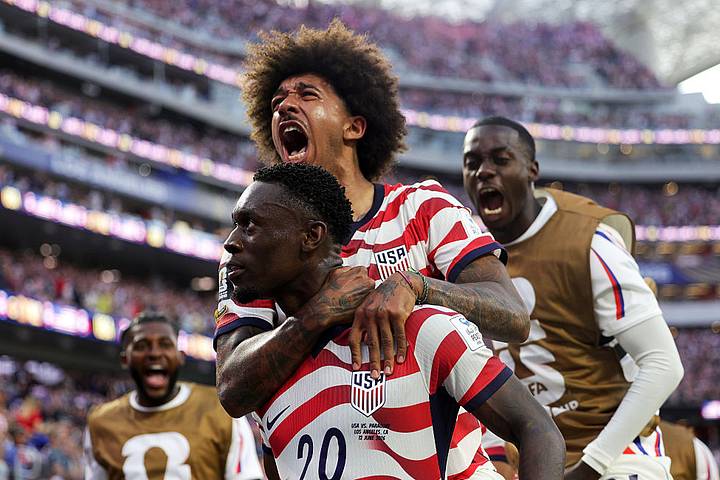
It was a work in progress during the early phases of Pochettino's tenure, but the USMNT ultimately played with an aggressive, tenacious edge—a South American edge, one might say—throughout the World Cup.
The Stars and Stripes were no longer sitting deep and allowing opponents to string passes together while they watched on passively. Instead, the co-hosts were on the front foot, dictating matches and netting early goals to pile maximum pressure on visiting sides.
The team struck an admirable balance between pushing forward when the moment demanded it and digging in when they needed to absorb pressure from surging opponents. The players, energized by home support throughout the summer, radiated passion for the full 90 minutes—a sharp contrast to their timid showing at the 2024 Copa América.
The USMNT's culture only grew stronger during the extended fall international break, when Pochettino's side performed at their very best against tough opposition. Even with a host of new faces integrated into the squad, the competitive drive and intensity never faltered.
Four more years under Pochettino would ensure that identity and style of play becomes second nature for the USMNT by the time the 2030 World Cup arrives. If the manager suddenly departs now, a new voice could completely reshape the culture in the dressing room and on the field, which is the last thing the team needs during such a promising run of form.
Starting from scratch with a manager who may or may not rise to the challenge would be a crushing blow to all the progress achieved under Pochettino. New tactics, new formations and new standards could set the team back by years—and that's no exaggeration; just consider how long it took Pochettino to elevate the U.S. to this point.
Young Stars and Youth Soccer Will Suffer
As part of his new contract, Pochettino agreed to play a significant role in the federation's youth development program. It was evident the manager had committed to U.S. Soccer as a whole, not merely the senior USMNT.
"We are thrilled by the chance to bring all our experience and expertise to even more areas of U.S. Soccer while helping to strengthen the pathways for players, coaches and teams throughout the federation," Pochettino said upon signing his new agreement in August.
U.S. Soccer CEO and secretary general JT Batson added: "Mauricio and his staff believe in the future of soccer in the United States and our new project allows us to build on progress of the USMNT and the momentum of U.S. Soccer."
Pochettino had already demonstrated his faith in younger players during the September-October international break. The manager called up 13 uncapped players for the team's four fall friendlies, including eight teenagers.

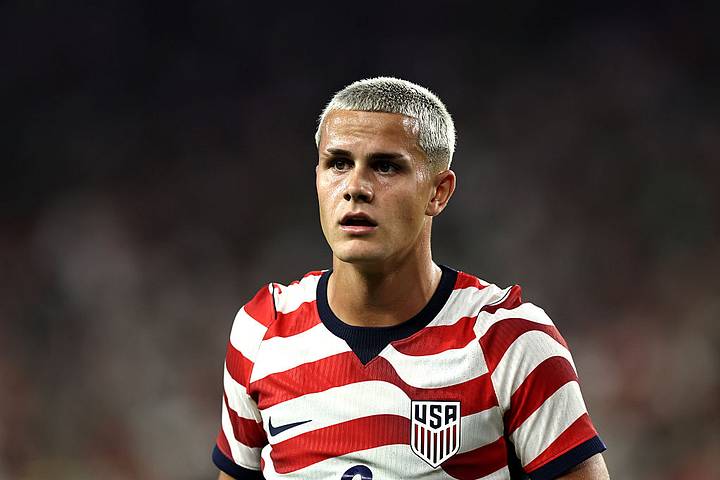
The likes of Cavan Sullivan, Julian Hall and Justin Ellis all impressed, so much so that they earned spots on Pochettino's squad for the November international break as well. The manager made a deliberate effort to nurture the emerging talents, working closely alongside them and granting them meaningful minutes to develop their game, all with the aim of building the deepest and most competitive roster possible for the 2030 World Cup.
Losing Pochettino would immediately stall that process before it truly gained traction, particularly at the lower youth levels. It could also potentially open the door for an incoming manager to overlook these gifted yet raw players in favor of seasoned veterans.
Even if a new leader makes youth development a priority, he may not share the same bond with the next generation of American stars that Pochettino has already cultivated. It would represent a massive setback for a team that is finally planning with the future in mind.