
 ไทย
ไทย English
 中國人
中國人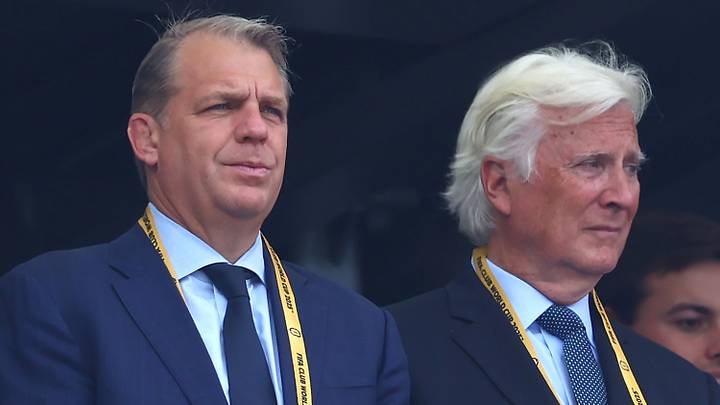
A U.S. investigation targeting Chelsea co-owner Mark Walter now seems set to trigger a significant shake-up in the club's ownership structure at Stamford Bridge.
Walter, who holds a 12.8% stake in the London club, was recently reported to be considering offloading his shares following the launch of an investigation into several of his financial activities, which also contributed to the record-breaking $12.5 billion sale of the Los Angeles Lakers.
The consequences of that development alone did not seem especially alarming for Chelsea, but the Financial Times has now disclosed that Walter is not the sole shareholder seeking an exit — Todd Boehly, the long-standing public face of the ownership group, is also reportedly willing to sell his own 12.8% stake.
Boehly and Walter, who share business interests beyond Chelsea, are both said to be in talks with majority stakeholders Clearlake Capital regarding the sale of their respective shares and a full departure after a turbulent four-year stint as part of the BlueCo consortium.
Why Are Boehly, Walter Looking to Sell Chelsea Shares?
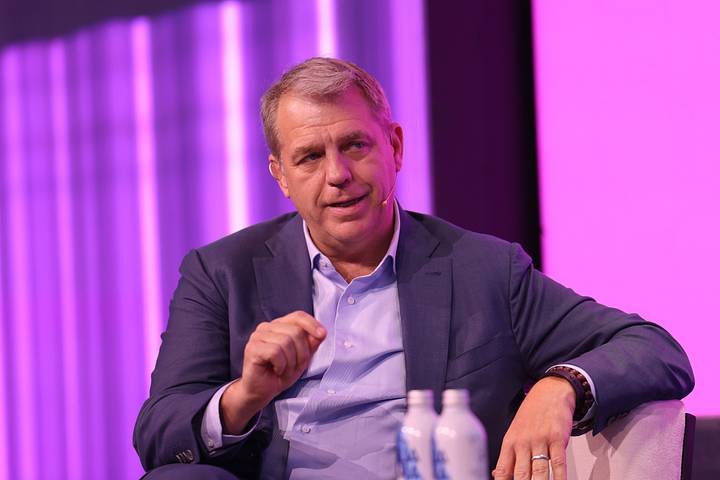
While Walter's potential departure appears directly tied to the ongoing investigation into his financial affairs, news of Boehly's readiness to sell has caught many off guard.
It was Boehly who spearheaded the acquisition of Chelsea from Roman Abramovich four years ago, bringing in Clearlake Capital's financial backing to complete the purchase. Consequently, he has frequently borne the weight of public criticism despite not holding a controlling stake in the club.
Boehly, who serves as Chelsea's chairman, is scheduled to step down from the position in 2027 under a pre-existing arrangement with Clearlake Capital, which reportedly rotates the chairmanship between the two parties every five years.
Amid Chelsea's well-documented on-field difficulties, there have been persistent reports of friction behind closed doors between the club and Clearlake Capital co-founders Behdad Eghbali and José E. Feliciano — allegations the club has consistently denied. The team's strategic direction, coaching decisions, and plans for the future of Stamford Bridge are among the issues said to have created divisions between the two camps.
There have also been suggestions that both Boehly and Clearlake Capital would be willing to buy the other out, but given Clearlake's dominant 61.54% ownership, it always appeared more probable that Boehly would ultimately be the one to exit.
What Does This Mean for Chelsea?
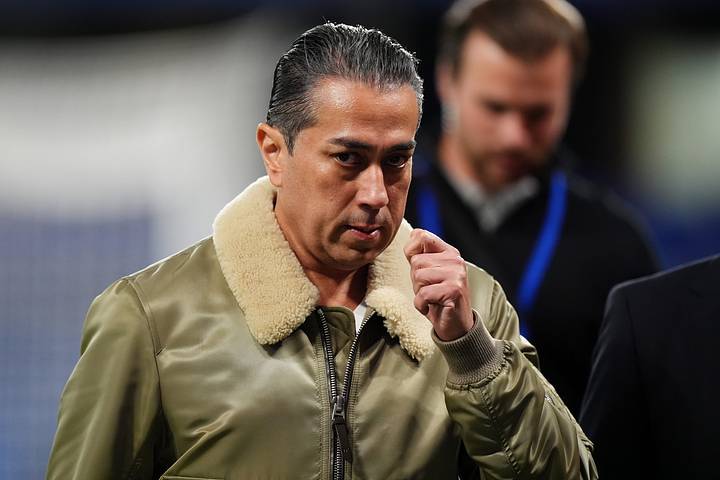
Should Boehly and Walter sell their shares to Clearlake, Hansjörg Wyss would remain as the sole other co-owner. Wyss, who reaches the age of 91 in January, holds an identical 12.8% stake to the other two minority shareholders.
Since Clearlake already functions as the majority shareholder, acquiring additional shares would not dramatically alter Chelsea's everyday operations, though it could open the door to more sweeping changes further down the line.
Enable functional cookies to see this feature.
Under the current arrangement, Boehly is believed to retain the right to veto decisions put forward by Clearlake. It remains unclear whether he has ever exercised this power, or whether Wyss holds comparable influence.
Clearlake co-founder Eghbali has taken on a growing role in the management of Chelsea over time, following an opening period largely shaped by Boehly, who served as interim sporting director during the summer transfer window of 2022 before a dramatic overhaul of the club's transfer strategy.
A full exit by Boehly and Walter would give Clearlake the freedom to steer Chelsea entirely as it chooses, without the need to align its plans with the preferences of the remaining minority shareholders.