
 ไทย
ไทย English
 中國人
中國人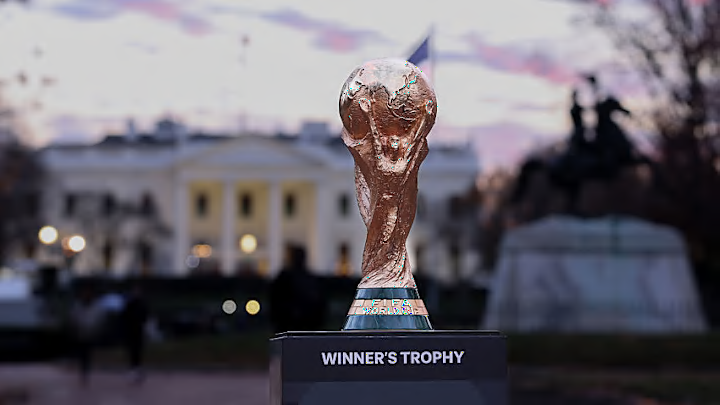
Todd Lyons, director of U.S. Immigration and Customs Enforcement, has stated that ICE personnel will serve a "crucial role" in security operations for the 2026 FIFA World Cup, taking place across the United States, Canada and Mexico.
During a Tuesday House of Representatives panel, Lyons faced questioning from Nellie Pou, representative for New Jersey's ninth district, regarding ICE's participation in this summer's tournament. The Democratic representative expressed worries about international supporters being "unjustly detained" during the major event as President Donald Trump intensifies immigration enforcement.
"ICE, particularly homeland security investigations, forms a crucial component of the comprehensive security framework for the World Cup," Lyons stated. "We are committed to safeguarding this operation and guaranteeing the protection of all attendees and guests.
"ICE is committed to guaranteeing that everyone visiting the venues will experience a protected and secure event," Lyons emphasized.
More than 1 million visitors are anticipated to travel to the United States this summer for the 2026 World Cup. Eleven American cities will serve as venues for 78 of the tournament's 104 games, with the championship match scheduled at MetLife Stadium in Pou's New Jersey district.
Growing Political Tensions Form 2026 World Cup Context
Growing Political Tensions Form 2026 World Cup Context
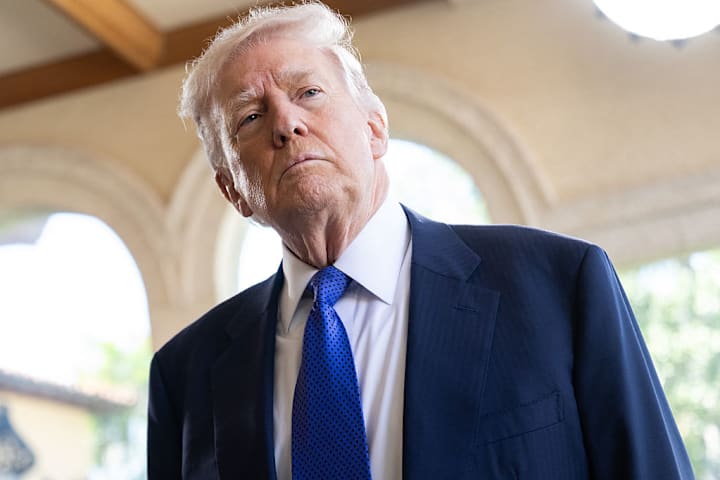
Worries about staging the world's largest soccer competition during such political turbulence in the United States started emerging late last year, when President Trump labeled several Democratic host cities, including Boston, as "dangerous" locations for World Cup matches. He also made threats to relocate certain games, although no measures were implemented.
Subsequently, a proposal submitted by U.S. Customs and Border Protection indicated that visitors from 42 nations, including the U.K., France, Germany and South Korea, would undergo intensive social media examination when attempting to enter the U.S. via the visa waiver program, which permits foreigners to remain in the country without a visa for up to 90 days.
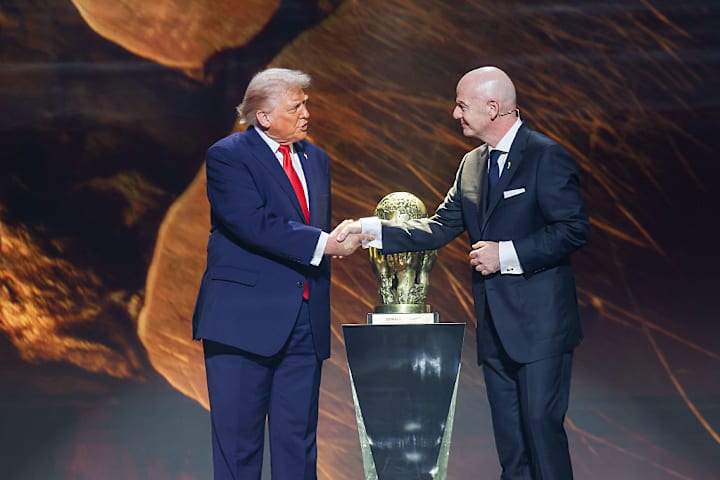
Tensions escalated further when 2026 began and President Trump expressed his intention to obtain Greenland, Denmark's autonomous territory, citing national security reasons. The 79-year-old's statements and tariff warnings against those resisting his proposals sparked demands for a 2026 World Cup boycott.
The already unstable situation became dramatically worse following the deaths of Renee Good and Alex Pretti at the hands of U.S. federal agents in Minneapolis.
There exists widespread anxiety that the increasing turmoil across the United States will intensify as the 2026 World Cup approaches, with the tournament beginning in under five months.
What Will Be the USMNT's Response?
What Will Be the USMNT's Response?
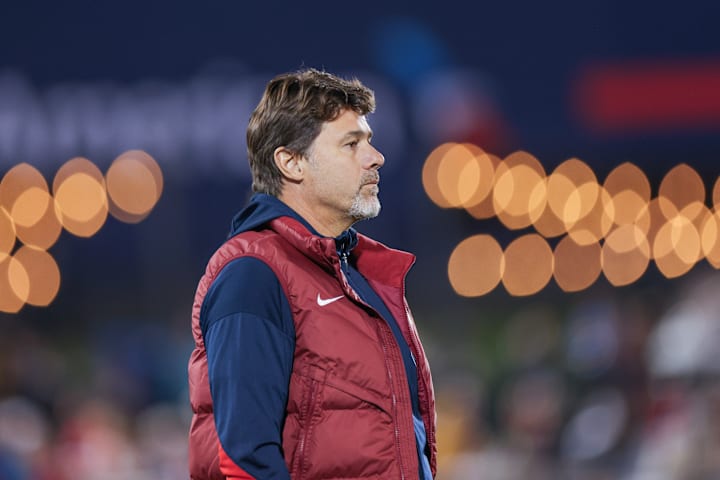
Standing at the center of the political controversy surrounding the 2026 World Cup is the U.S. men's national team. The Stars and Stripes carry the privilege—and potentially the challenge in this instance—of representing the United States this summer despite possibly disagreeing with President Trump's policies and decisions.
The USMNT will start their World Cup campaign on the West Coast, in Los Angeles and Seattle, both predominantly Democratic strongholds. Similar to Americans participating in this month's Milan Cortina Olympics in Italy, the players will probably face inquiries extending beyond their athletic performance.
However, manager Mauricio Pochettino has recently discouraged his players from commenting on matters outside their sport. The Argentine emphasized that he and his squad "are not politicians" and should "exclusively" discuss their professional duties.
How the USMNT will navigate such a challenging circumstance remains uncertain, but they may be compelled to address some difficult questions as soon as March, when the team returns for international friendlies against Belgium and Portugal.