
Iran Women's Soccer Stars Secure Visas as Safety Negotiations Intensify for Remaining Players
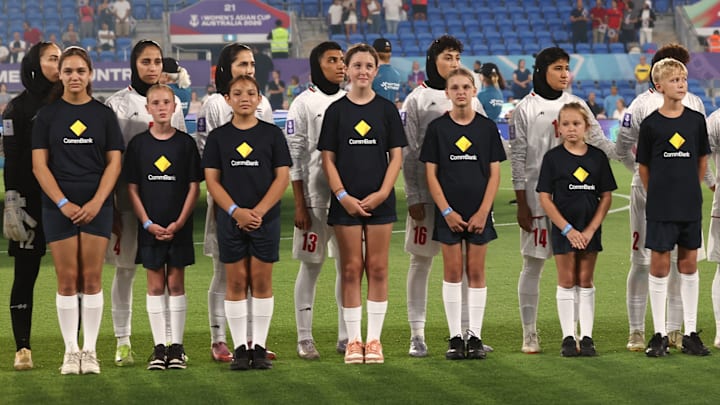
American President Donald Trump, FIFA, and Australia's administration are working together to secure protection for Iranian female football players who were labeled "enemies of the state" by government media after they declined to perform the national anthem during a March 2 exhibition match.
The Iranian squad had traveled to Australia for the Asian Football Confederation (AFC) Women's Asian Cup before the February 28 military strikes by the U.S. and Israel on Iranian territory. While they were scheduled to leave the Gold Coast on Monday, The Athletic indicates no return flights to Iran have been arranged.
The players stood in silence during the anthem performance before facing South Korea in their tournament opener, apparently demonstrating against their government. Television host Mohammad Reza Shahbazi declared on broadcast: "Those who act against their nation during wartime must face harsher consequences. ... They must bear the mark of shame and treachery on their faces, and face appropriate punishment."
Reports from BBC indicate that five athletes—Fatemeh Pasandideh, Zahra Ghanbari, Zahra Sarbali, Atefeh Ramazanzadeh and Mona Hamoudi—separated from their team Monday night local time and moved to a secure location under Australian federal police protection. The Canberra administration confirmed Tuesday they received humanitarian visas, providing permanent sanctuary and rights to reside, work and pursue education in Australia.
"I tell the remaining team members that identical opportunities exist for them," stated immigration minister Tony Burke. "Australia has embraced the Iranian women's football team wholeheartedly. These athletes have gained tremendous support in Australia, though we understand they face extremely challenging circumstances in their decision-making."
What Safety Measures Are Being Taken?
What Safety Measures Are Being Taken?

Although direct communication with the remaining Iranian female players has become impossible due to heightened government control, the regional players' association maintains dialogue with Australian authorities, FIFA and the AFC regarding efforts to provide them with "autonomy."
"This presents an extremely complex challenge," stated FIFPRO Asia/Oceania president Beau Busch during Monday's general assembly. "Some players may wish to return home. Others within the group might seek refuge or prefer extended stays in Australia. Some may have serious concerns about their potential journey back.
"...Should they choose to return, how can we ensure their safe passage? Then obviously guaranteeing their complete security upon arrival in Iran. This will prove exceptionally difficult, but FIFA has legal responsibilities regarding human rights to exercise their influence, and we anticipate they will fulfill this obligation."
Iranian coach Marziyeh Jafari commented after Sunday's match: "On a personal level, I wish to return to my homeland immediately and reunite with my fellow citizens and family."
What Role Has President Donald Trump Played?
What Role Has President Donald Trump Played?
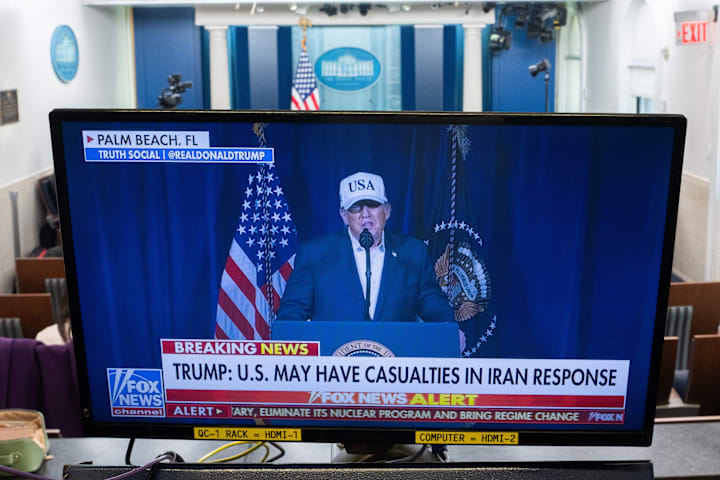
President Donald Trump championed the Iranian women's team through social media, writing on Truth Social Monday: "Australia is committing a grave humanitarian error by permitting the Iran National Women's Soccer team to be compelled to return to Iran, where they will likely face execution. Don't proceed, Mr. Prime Minister, provide SANCTUARY.
"The United States will accept them if you refuse. Thank you for considering this urgent matter."
Trump's plea followed his administration's implementation of the harshest travel restrictions on Iranian citizens last summer and classification of Iran as "a nation supporting terrorism."
President Trump subsequently posted about his communication with Australian prime minister Anthony Albanese: "He's handling it! Five [players] have already received assistance, and the others are being processed. Some, nevertheless, believe they must return due to concerns about their families' safety, including threats against those relatives if they fail to come back."
Mojtaba Khamenei took control as Iran's new supreme leader Sunday, after his father, Ayatollah Ali Khamenei, perished in the opening airstrikes.