Liam Rosenior Could Transform Chelsea: Inside His Revolutionary Tactical Blueprint
Liam Rosenior could emerge as the fifth permanent head coach during Chelsea's BlueCo ownership period.
Following Enzo Maresca's unexpected exit at the start of the new year, Rosenior's appointment might follow swiftly, as the manager has impressed with BlueCo-owned Strasbourg and is considered the frontrunner to succeed Maresca.
Although Rosenior may be well-versed in the BlueCo approach, his potential arrival at Stamford Bridge would probably introduce a notable tactical shift based on his work in France.
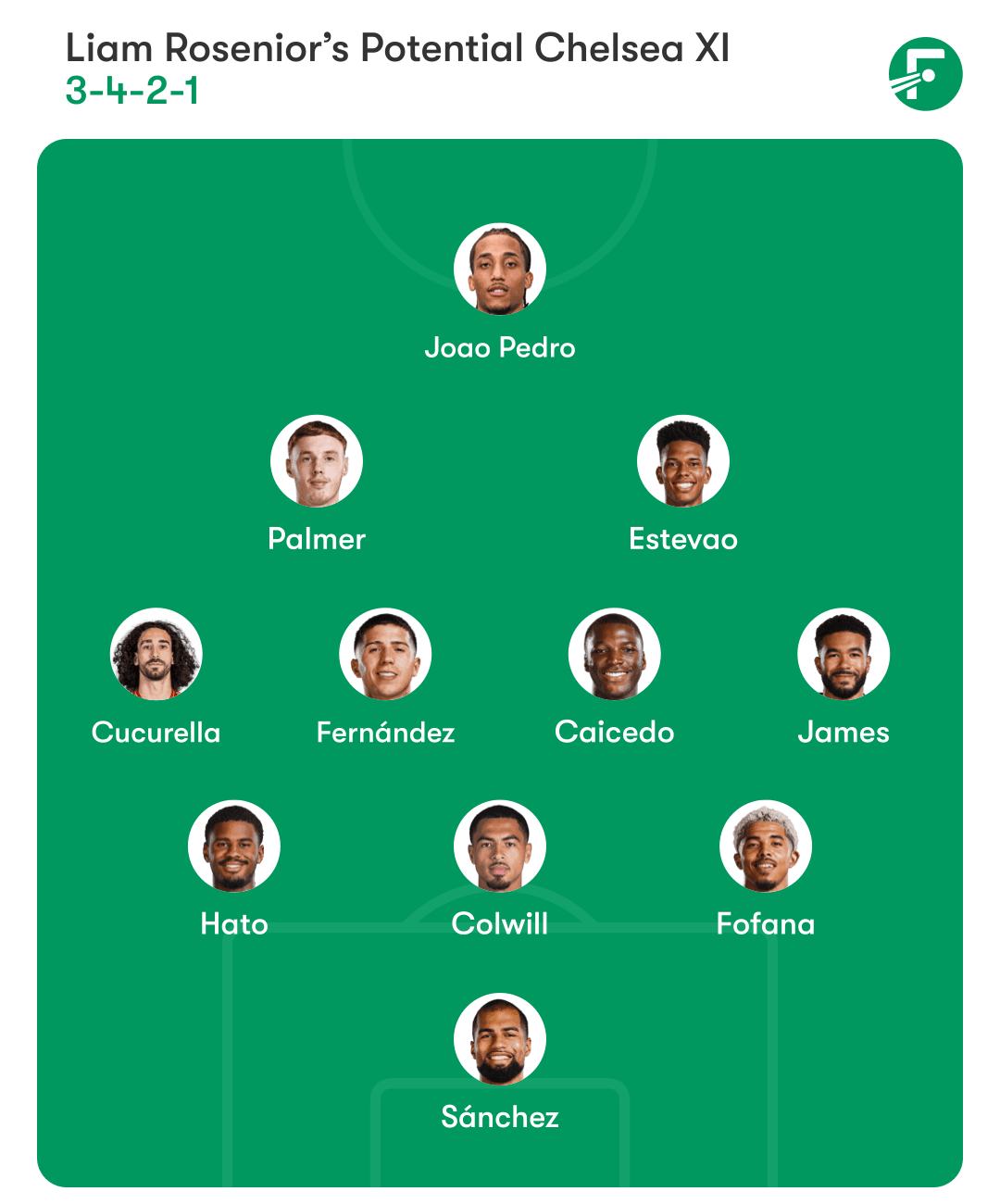
Here's how Chelsea might appear under his leadership should he take control.
Which Formation Does Liam Rosenior Utilize?

Structurally, Rosenior tends to employ a 3-4-2-1 formation, though like most contemporary coaches, he uses a highly adaptable system that evolves throughout matches. Offensive phases can expand into a 3-2-5, while his teams frequently defend using a 4-3-3 or 4-2-3-1 shape.
His Strasbourg squad applies high pressure and requires relentless, continuous movement to overwhelm opponents, specifically aiming to force defensive errors and exploit them rapidly.
"The approach is to regain possession as swiftly as possible, to neutralize the opponent's ball control, to control as high up the field as we can," Rosenior explained to Ligue 1 journalists.
Additionally, Strasbourg seldom plays direct balls, instead choosing rapid, short combinations that originate from the defensive line and include the goalkeeper, who frequently participates in the initial build-up phase.
When advancing the ball, Rosenior's Strasbourg doesn't utilize traditional wide players. He prefers wing-backs combined with central playmakers, which would certainly pose challenges for Chelsea's costly collection of pure wingers.
However, Rosenior has consistently emphasized his intention to construct a system based on available personnel rather than rigidly adhering to his principles, keeping possibilities open for tactical innovations.
How Chelsea Might Line Up Under Liam Rosenior

GK: Robert Sánchez—Maresca's tenure concluded with Sánchez displaying outstanding form, though questions about his distribution skills will persist. Still, the Spanish keeper shows courage in possession, which would attract Rosenior.
CB: Wesley Fofana—The right-sided center-back in Rosenior's approach must be versatile both centrally and wide. Fofana represents Chelsea's best choice here, though Trevoh Chalobah, Josh Acheampong, and even Reece James could fill this role.
CB: Levi Colwill—Once Colwill recovers from injury, he'll be the clear starter in this central position. Until then, expect players like Chalobah or Tosin Adarabioyo to continue deputizing as they did under Maresca.
CB: Jorrel Hato—Hato might greatly benefit from the return of a three-center-back system at Stamford Bridge, though it wouldn't be shocking to see Marc Cucurella or Benoît Badiashile given this team position eventually.
RM: Reece James—Focus will center here, on an attacking wing-back position requiring the kind of continuous, high-intensity running we haven't witnessed from James recently. He was among the world's elite in this role under Thomas Tuchel and will aim to reach that level again. Otherwise, expect Malo Gusto or potentially some appearances for Estêvão in suitable matches.
CM: Moisés Caicedo—You likely don't need persuasion about why Caicedo should start. He's among the world's finest defensive midfielders and would be assigned to excel in a box-to-box capacity.
CM: Enzo Fernández—While Andrey Santos has previous connections with Rosenior, Fernández will remain crucial to Chelsea's future plans. His ball-playing ability would make him valuable in build-up play, though periods in an attacking midfield position could open opportunities for Santos.
LM: Marc Cucurella—Theoretically, this might be the team's most vulnerable position under Rosenior. Cucurella excelled under Maresca but operated primarily in central zones, while limited alternatives would push him into a wing-back role here.
AM: Cole Palmer—A key challenge for Maresca's successor will be optimizing Palmer's impact. Under Rosenior, the English talent would operate in this interior space, enjoying considerable attacking liberty.
AM: Estêvão—We've heard extensively about Chelsea's future plans for Estêvão, primarily known as a winger but apparently destined for a central position. Rosenior's system would provide this chance for the young Brazilian, who might rotate with Enzo Fernández or João Pedro.
ST: João Pedro—This position is difficult to predict as it could, and probably will, be shared between Pedro, Liam Delap, and incoming signing Emmanuel Emegha from Rosenior's Strasbourg. Forwards are expected to cover ground extensively and attempt to beat offside lines for early deliveries.