
 ไทย
ไทย English
 中國人
中國人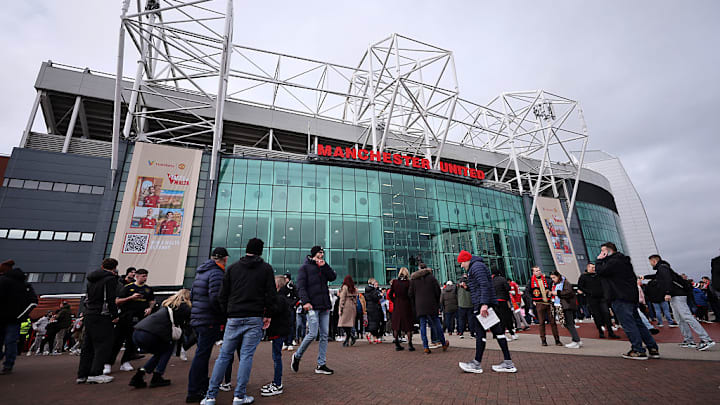
Manchester United plan to fund a new Old Trafford stadium through private financing, a move that could push the club's already substantial total debt to as high as $4.5 billion (£3.4 billion). Despite this, the club remains upbeat, citing strong early interest from prospective investors.
The vision of building a 'Wembley of the north' has been a key ambition for co-owner Sir Jim Ratcliffe ever since he finalized his initial minority stake purchase at the beginning of 2024. Concept plans for the proposed stadium, which forms part of a broader urban regeneration initiative, were revealed a year ago. The venue would accommodate 100,000 fans, making it the largest stadium anywhere in the U.K.
Little has been shared publicly since then, though significant work has been taking place behind the scenes. Chief operating officer Collette Roche offered an informal update outlining a rough timeline just last week.
Ratcliffe had initially floated the idea of public funding for the project — a notion that was never particularly realistic given the stadium would primarily serve a private enterprise, and no alternative financing plan was put forward at the time. It had long been assumed that United would need to secure private funding for the new Old Trafford, yet this position has only now been formally confirmed on the record.
A club spokesperson at this month's fans' forum, as quoted by the Manchester Evening News, stated: "Our proposed new stadium will be financed privately, and we continue to have positive conversations with potential investors and all stakeholders."
Man Utd in Ongoing Talks With New Old Trafford Investors
On Tuesday, Roche appeared on a special edition of the club's Inside Carrington podcast, revealing that United have completed "a lot" of groundwork when it comes to exploring investment opportunities for the stadium.
"I am delighted to say we've had a lot of interest," she commented. "There are many individuals and organizations eager to invest, not only in the stadium itself but also in the surrounding stadium district. Those discussions will naturally remain confidential."
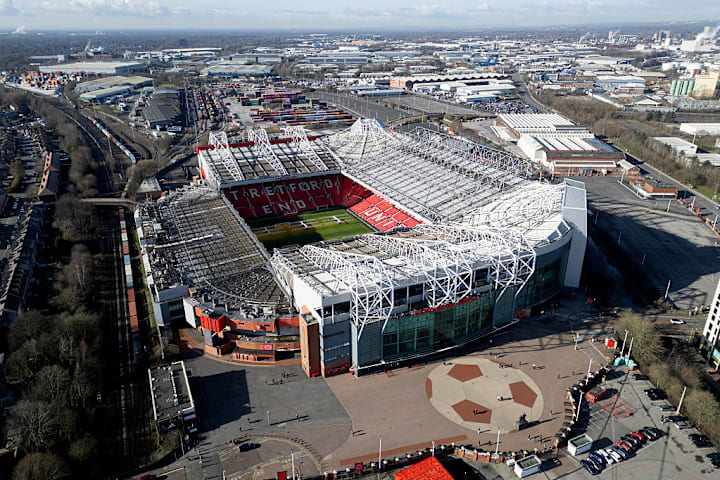
The flip side of the equation is what privately financing a new stadium could mean for the club's financial standing.
United's most recent financial results showed debt has already risen to $1.8 billion. This figure comprises 'legacy debt' stemming from the contentious leveraged buyout that handed the Glazer family ownership of the club in 2005, along with other 'liabilities' consisting mainly of outstanding transfer fees. The latter alone accounts for over $668 million. Should a new stadium on the Old Trafford site carry an estimated price tag of $2.7 billion, United's total debt could soar to $4.5 billion.
United stand to generate significantly greater revenue from a larger, modern stadium equipped with cutting-edge facilities and enhanced matchday experiences, while improved results on the field appear likely to bring Champions League football back to the schedule next season. Nevertheless, it seems it will be a very long time before the Red Devils — who were debt-free for nearly 70 years prior to 2005 — find themselves in that enviable position once more.