
 ไทย
ไทย English
 中國人
中國人
The 2026 World Cup has wrapped up, leaving supporters with a four-year wait until soccer's grandest global event returns, with the next edition set to be co-hosted by Morocco, Portugal, and Spain.
But there's no need to despair—international soccer still has plenty in store. Exciting action remains on the horizon, regardless of where you're watching from around the globe.
Here's a complete breakdown of the remaining international breaks scheduled for 2026.
International Break Schedule for 2026
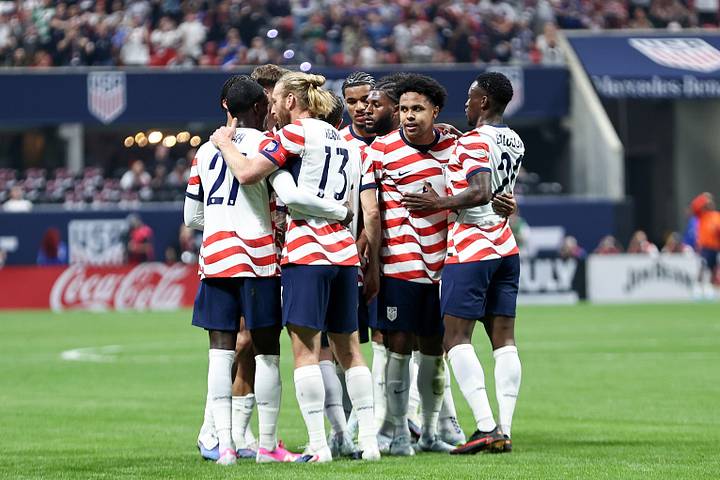
Only two international breaks remain on FIFA's official calendar for the remainder of 2026.
The first is scheduled from Sep. 21 to Oct. 6, during which national teams across all six confederations—UEFA (Europe), CONMEBOL (South America), Concacaf (North and Central America and the Caribbean), CAF (Africa), AFC (Asia), and OFC (Oceania)—will take to the pitch. Teams may play as many as four matches during this window.
The second break is set for Nov. 9 to 17, when sides from every confederation will once again be in action, though they will be restricted to a maximum of two fixtures.
For European nations, these windows will also signal the beginning of the 2026–27 UEFA Nations League, with quarterfinal and playoff matches slated to take place during this stretch.
Dates | Tournament |
|---|---|
Sep. 21 – Oct. 6 | Friendlies, UEFA Nations League |
Nov. 9 – Nov. 17 | Friendlies, UEFA Nations League |
Why Are There International Breaks in Soccer?
International breaks provide players with the chance to don their national colors in competitions such as World Cup qualifying rounds and regional tournaments.
These windows allow national squads to assemble, train together, develop cohesion, and gear up for upcoming fixtures, while clubs enjoy a brief respite in their schedules to keep players fresh and prevent conflicts with domestic games.
What Happens During an International Break?
During an international break, top-flight leagues such as the Premier League, La Liga, and MLS typically suspend their schedules to make way for international fixtures, as numerous players receive call-ups for national team duty.
Those selected head off to join their national squads for training sessions and matches, while uncalled players remain at their clubs, taking the opportunity to rest or maintain their fitness.
Meanwhile, lower-tier divisions—such as England's Championship or Spain's Segunda División—frequently carry on with their campaigns uninterrupted.
Impact of International Breaks on Domestic Leagues

International breaks can have a significant impact on domestic leagues, whether competitions are suspended or continue as normal.
Enable functional cookies to see this feature.
A two-week hiatus can disrupt a team's flow, requiring players to rediscover their form once club football resumes. There's also an elevated risk of injuries sustained during international duty, which can prove particularly costly when key players are sidelined.
On the flip side, there are benefits to consider. In leagues that press on during these periods, the absence of first-choice players opens the door for fringe squad members and emerging talents to make their mark—occasionally sparking some truly unexpected breakout moments.