
Mauricio Pochettino Ignites 2026 World Cup Controversy with Bold "We Are Not Politicians" Declaration
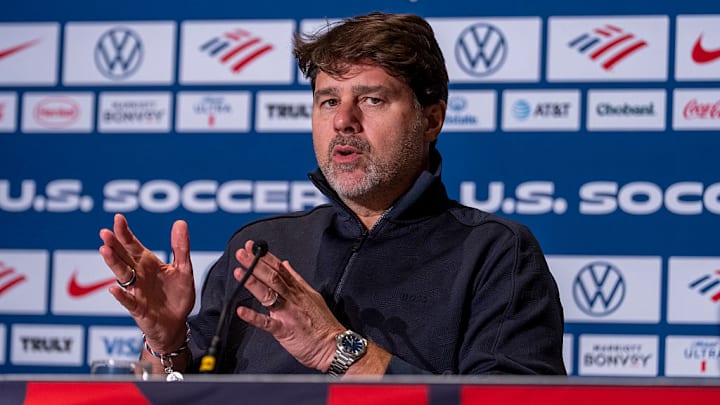
United States men's national team head coach Mauricio Pochettino disagreed with American forward Tim Weah's recent criticism of 2026 FIFA World Cup ticket costs, stating it's not their "responsibility to assess ticket pricing" but simply to "deliver on the field."
Weah had previously called prices for this summer's competition "excessively high" and expressed worries about "genuine supporters" being priced out of the 2026 World Cup, taking place across the United States, Canada and Mexico. Following December's draw, ticket costs have skyrocketed into thousands for individual matches, with Category 1 seats for the World Cup final reaching $8,680.
When questioned about FIFA's pricing strategy and Weah's remarks, Pochettino established a firm boundary regarding what he believes his players should and shouldn't discuss—or concern themselves with—before the most significant tournament of their careers. "Firstly, I believe players should speak through their performance on the field, not off it.
"It's not [Weah's] responsibility to assess ticket costs. My role is to prepare the squad, the U.S. men's national team, optimally for peak performance. We aren't politicians. We're sports professionals who should only discuss our profession.
"If FIFA makes decisions or takes actions, they understand their reasoning, and it's their obligation to clarify why. It's not our place to offer opinions," Pochettino stated.
Political Controversy Serves As 2026 World Cup Backdrop
Political Controversy Serves As 2026 World Cup Backdrop
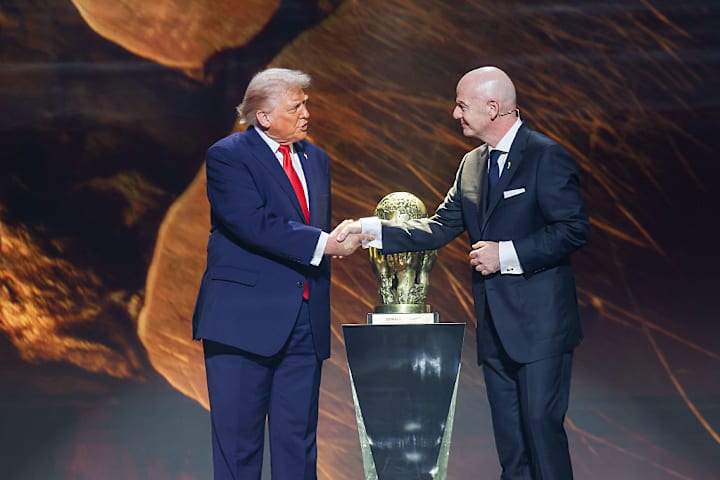
Extensive criticism over costly ticket prices represents just one controversy overshadowing the 2026 World Cup. Numerous concerns and inquiries have emerged about staging the tournament primarily across the United States during President Donald Trump's immigration enforcement and ambitions to acquire Greenland, Denmark's autonomous territory, for national security purposes.
President Trump even threatened relocating matches from host cities he considered "dangerous," focusing on predominantly Democratic locations like Boston, Seattle and Los Angeles. The 79-year-old also warned of imposing tariffs on European nations opposing his Greenland objectives, though he has subsequently retreated from those statements.
Boycott demands have emerged in multiple European nations, including France and Germany, due to political turmoil escalating throughout the United States, where 78 of the tournament's 104 games will occur during summer.
French sports minister Marina Ferrari calmed growing anger, disclosing there's "no intention" from the ministry for a boycott, but German soccer federation vice-president Oke Göttlich encouraged others to "engage in the [boycott] conversation" considering the "possible danger."
These escalating tensions form the context for soccer's premier tournament, a scenario quite familiar to FIFA, who approved Qatar hosting the 2022 World Cup.
Pochettino Risks Alienating His Team With Such Strong Comments
Pochettino Risks Alienating His Team With Such Strong Comments
The political turmoil surrounding the 2026 World Cup particularly affects the USMNT, scheduled to play group stage fixtures in Los Angeles and Seattle. However, Pochettino avoids anything beyond soccer's boundaries.
"Our obligation is to compete, play and excel on the field. Those responsible for the federation might share their views, but I'm the head coach of this federation. We have the governing body above us, FIFA, doing exceptional work globally in bringing people together, because FIFA connects people," Pochettino explained.
"Media should definitely question FIFA directly, and you'll certainly receive excellent responses. But no, it's not our role to evaluate such matters. We must concentrate on the sporting aspect and trust the organization overseeing soccer worldwide to make proper decisions."
Pochettino not only criticized Weah but also potentially placed his players in an uncomfortable situation, approaching censorship boundaries within his squad. As the World Cup approaches, host nation players will inevitably face questions beyond soccer, potentially finding themselves torn between speaking freely or following their manager's restrictions.