
MLS Braces for Massive Overhaul: Exclusive Look at Potential New Division Structure
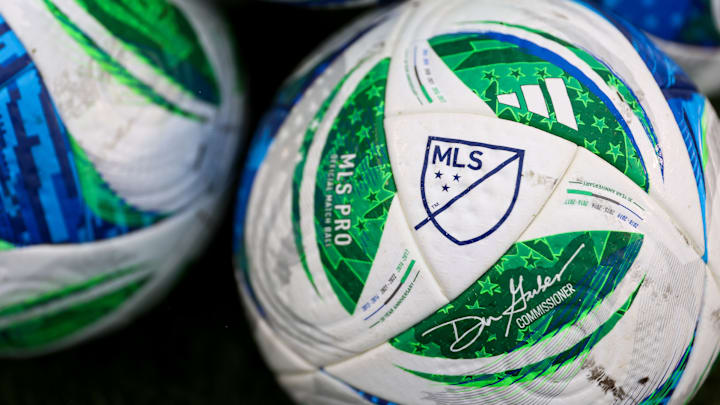
Major League Soccer's transformation is taking shape, as the world's premier first division aims to raise competitive standards to match Europe's elite leagues while preserving balance and competitive spirit.
Based on reports from The Athletic, MLS plans to implement five divisions starting in 2027 as part of comprehensive league restructuring, highlighted by adopting a winter calendar to synchronize with Europe's top competitions.
While no official announcement regarding the divisional structure has been released, sources indicate it would completely abandon the current Western and Eastern Conference system, prioritizing the league's most significant rivalries while dissolving others.
This new format would require teams to face divisional opponents twice - once at home and once away - while meeting other teams just once, irrespective of geography. Under the existing two-conference system, some teams can avoid playing each other for multiple seasons.
Regarding the MLS Cup playoffs, final decisions remain pending. However, officials are exploring a qualification system featuring higher and lower seeds, potentially offering top seeds a second chance to advance if they lose their initial match. The criteria for determining these rankings also remains undetermined.
Here's what MLS might look like following the divisional transition.
Cascadia and Rocky Mountains Division
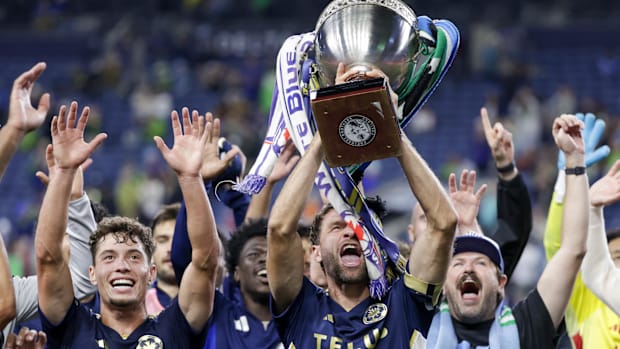
Combining multiple teams from the existing Western Conference, this division centers around the historic Cascadia Cup rivalries featuring Portland Timbers, Seattle Sounders, and Vancouver Whitecaps, relationships spanning back to the 1970s. Additionally, the Rocky Mountain Cup competition between Real Salt Lake and Colorado Rapids would persist.
The outlier is San Jose Earthquakes, who would part ways with their California counterparts - LAFC, LA Galaxy and San Diego FC - to join the Cascadia and Rocky Mountain clubs. Despite maintaining the California Clásico with the Galaxy, the Earthquakes have frequently been paired with Vancouver during MLS Rivalry Week events, while Portland and Seattle engage in one of the league's most intense competitions.
This division would preserve two of MLS's Rivalry Cups while creating more equitable competition for the Cascadia Cup specifically. Simultaneously, the Earthquakes would still face their California opponents once per season, enhancing the appeal of those matchups.
California and Texas Division
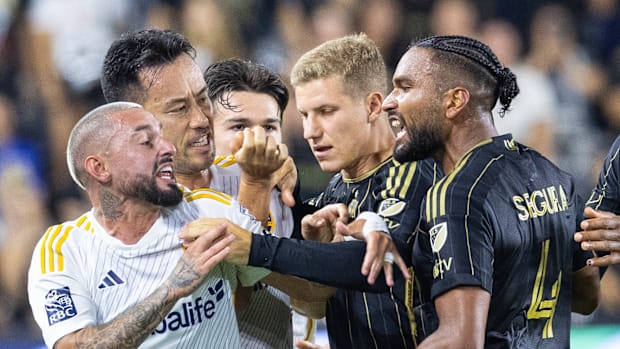
The California and Texas divisions would emerge as MLS standouts regarding travel efficiency and rivalry potential. It showcases one of soccer's premier derby matches, El Tráfico between LAFC and LA Galaxy, alongside the Copa Tejas rivalry series among Texas clubs Austin FC, Houston Dynamo and FC Dallas.
Though San Diego FC hasn't yet developed intense rivalries with other franchises, their placement makes geographic sense. Furthermore, their inaugural season success positions them to compete with some of the league's most ambitious organizations.
Midwest Division
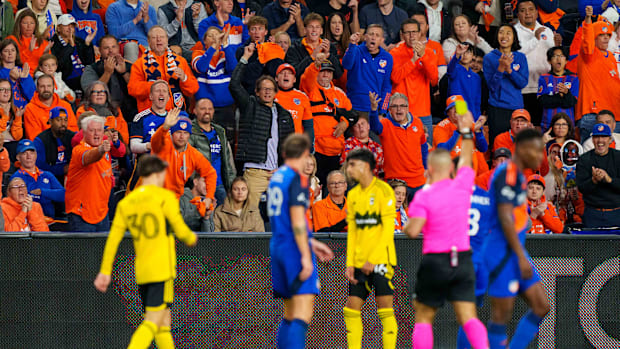
The sole division combining current Eastern and Western Conference clubs is the Midwest grouping. It could foster new rivalries while continuing to strengthen the Hell is Real Derby between FC Cincinnati and Columbus Crew, plus the developing competition between St. Louis CITY SC and FC Cincinnati.
Given the limited number of teams in central America, travel distances would remain substantial in this division, though considerably less than the current cross-country flights teams endure under the existing format.
Unlike the two West Coast divisions, no team appears geographically misplaced in this arrangement.
Northeast Division
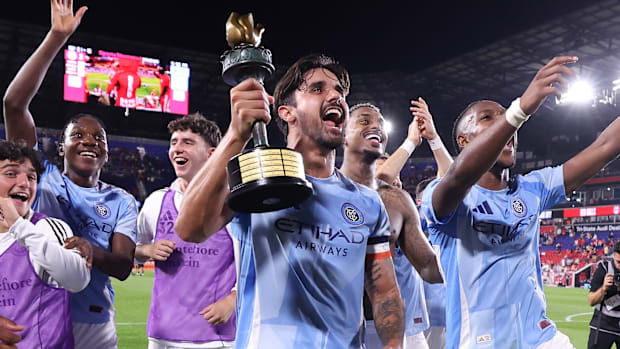
A Northeast Division configuration would offer MLS's most travel-efficient setup, with brief flights or possible train and bus transportation available to clubs regardless of destination. This arrangement would preserve the Hudson River Derby between Red Bull New York and New York City FC, plus the Canadian Classique between CF Montréal and Toronto FC.
The Canadian franchises would also continue facing Vancouver once annually in MLS, as occurs currently, and encounter potential matchups in the Canadian Championship.
Beyond these two rivalry fixtures, New England Revolution would have opportunities to develop more competitive relationships with other clubs. Philadelphia Union would also compete against several teams with similar financial capabilities.
With each team employing different roster construction approaches historically and maintaining relationships with specific opponents, this would create a well-balanced and compelling MLS section.
Southeast Division
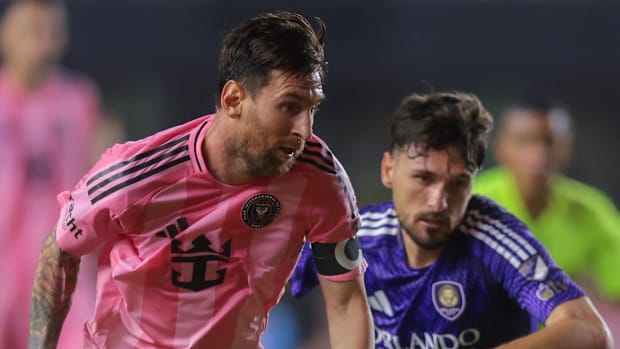
This division could feature Lionel Messi if he honors his current Inter Miami contract through the 2027–28 campaign, and would showcase several of the league's most passionate fan bases along with developing rivalry competitions.
Inter Miami and Orlando City haven't reached their peak intensity yet, but these Florida rivals could escalate their derby at any moment. Meanwhile, Atlanta United, Charlotte FC and Nashville SC would highlight some of MLS's finest atmospheres, particularly during mutual confrontations.
The challenging inclusion might be D.C. United, considering their recent lack of success and apparent ambition, plus declining attendance at Audi Field. Nevertheless, they'll have opportunities to improve before competing against some of the Southeast's strongest teams.