
 ไทย
ไทย English
 中國人
中國人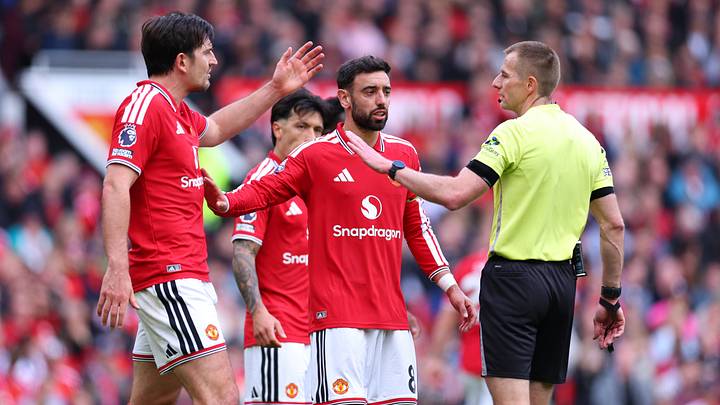
For the first time in English top-flight football history, live audio of conversations between players and referees is set to be broadcast during matches, according to a new report.
Television broadcasters have steadily expanded their reach into every corner of Premier League coverage in recent years. Players are occasionally thrust into breathless pitchside interviews at the break, cameras have been permitted inside dressing rooms, and most visibly, referees now wear GoPro cameras mounted to their heads.
RefCam delivered quick replays of on-field incidents from the referee's perspective last season. Now that shaky footage will be paired with live audio of any exchanges between officials and players during games, The Guardian has reported.
There are limitations attached to this unprecedented level of access, though the history of recorded player-referee exchanges suggests it could prove to be a contentious development.
When Will In-Match Audio Be Broadcast?
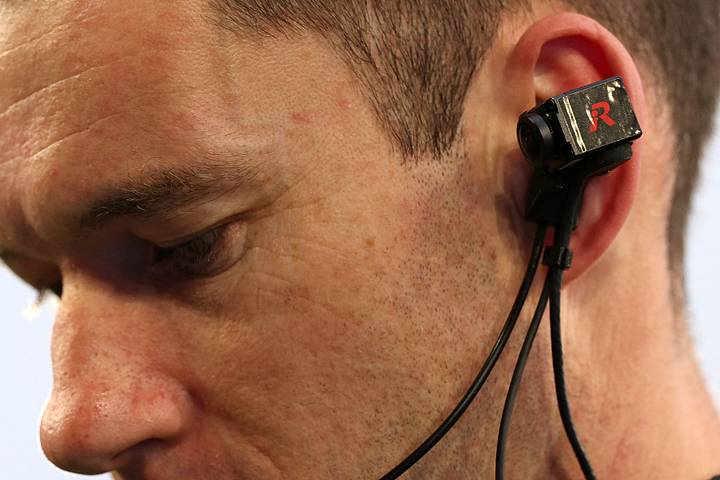
The Premier League is cautiously wading into the murky waters of live microphones. No more than "one or two" incidents per gameweek across all 38 rounds will be aired during matches. Fewer than 12% of top-flight fixtures will even feature referees equipped with RefCam.
What does make it to air will also be subject to restrictions. Any dialogue involving video assistant referees will not be broadcast during a match—this falls under the laws of the game and is unlikely to change anytime soon—though that audio will continue to be made available after the fact.
The idea of granting near-instant access to player-referee conversations is entirely without precedent. RefCam was widely used at the 2026 World Cup, and considerable attention was drawn when FIFA released referee audio from the final earlier this month.
Yet consider the effect of hearing those exchanges while the match is still in progress. Rather than sheltering behind a delayed release, managers and players will be able to respond to the content during their post-match press obligations, opening up a whole new set of complications.
Controversial Precedent of Recording Player-Referee Conversations
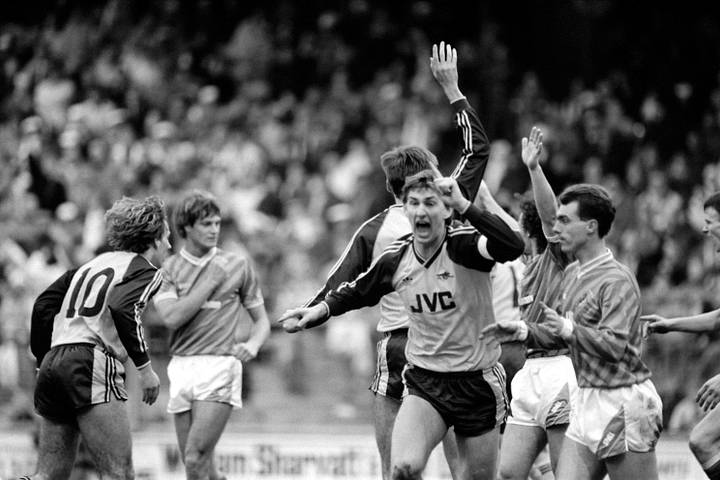
There's nothing truly new under the sun. British broadcaster ITV fitted referee David Elleray with a microphone back in 1989 for a top-flight encounter between title-chasing Arsenal and London rivals Millwall. The audio captured during that heated match may well explain why it has taken nearly four decades for the idea to be revisited.
Television coverage of football at that time was still extremely sparse. On the rare occasion a game was shown, there wasn't even a match clock displayed on screen. As a result, the prospect of having every word to the referee recorded never crossed the minds of the players, who had not been warned beforehand.
Millwall captain Les Briley only stumbled upon the hidden setup when he noticed wires protruding from Elleray's kit and quickly tipped off his teammates. "They were running around silent, like saints," Arsenal midfielder David Rocastle would later mock. The Gunners were not so lucky.
The ill-fated experiment is best remembered for the expletive-laden outburst from Arsenal skipper Tony Adams. Tensions were running high as the north London club trailed 1–0 in a crucial match during their intense title battle with Liverpool, and Adams reached his breaking point. Furious at Elleray's refusal to award a goal, Adams branded the official a "f---ing cheat." It did not go over well.
"Listen," Elleray told the imposing centre-back after pulling him aside. "Once we've given a decision—stand up—we're not going to change it. I'm not going to have you calling me a cheat."
"I'm frustrated," Adams fired back.
"O.K., you're frustrated but there is a variation of words you can use and cheat is not one of them," Elleray replied. "We may be useless but we don't cheat. Alright?"
Enable functional cookies to see this feature.
Arsenal's players were lambasted in the English press for their colourful language. Rocastle argued: "We must not be made the scapegoats for the sort of industrial language used by professionals on a football pitch all the time."
Even Elleray found himself in agreement. The former schoolteacher brushed aside the swearing, instead highlighting the absence of "physical intimidation."
"We set out to make a balanced program," he lamented. "They turned it into an Arsenal witch hunt."