
Real Madrid's Fall from Grace: How the Giants Lost Their Charm
My passion for Real Madrid began in 2002 when I moved to the Spanish capital as an impressionable 7-year-old, completely unaware of the importance of the club that would become my beloved team.
Under coach Vicente del Bosque, stars like Zinedine Zidane, Raúl, Roberto Carlos, Luís Figo, and their teammates delivered captivating football that inspired every young fan in Madrid. Every match at the Bernabéu seemed like pure magic, and the Galacticos dominated La Liga before dismissing del Bosque, selling Claude Makélélé and starting a decline into mediocrity (by Real Madrid standards) that persisted until winning La Décima.
That single season was enough to capture my heart. I've remained loyal to the club since then, even as I gradually came to understand that José Mourinho's questionable methods, eye-poking incidents and media games were inappropriate for a club of Real Madrid's prestige, and worse still, recognizing that president Florentino Pérez had hired Mourinho fully aware that he would abandon the club's principles in his mission to defeat Pep Guardiola's Barcelona.
Nevertheless, it becomes increasingly challenging to back Los Merengues as they battle against officials, diminish their own sense of señorio (dignity), display open contempt for their domestic league and encourage the arrogance of their star performers.
Player Arrogance, Victim Mentality and the Battle Against Officials
In today's era, victory is paramount at Real Madrid. Sometimes, it seems like the dedication and dignity of legends like Juanito, Alfredo Di Stéfano, Fernando Hierro and others who built the club's legacy are being rapidly overlooked. Instead, the club's magnificence and its president have cultivated pride and privilege.
Real Madrid's 2–0 home loss to Celta Vigo on Dec. 7 exemplified their players' childish behavior. It served as a clear illustration that because these athletes don the white jersey of Real Madrid, they consider themselves the world's finest and deserve special treatment.
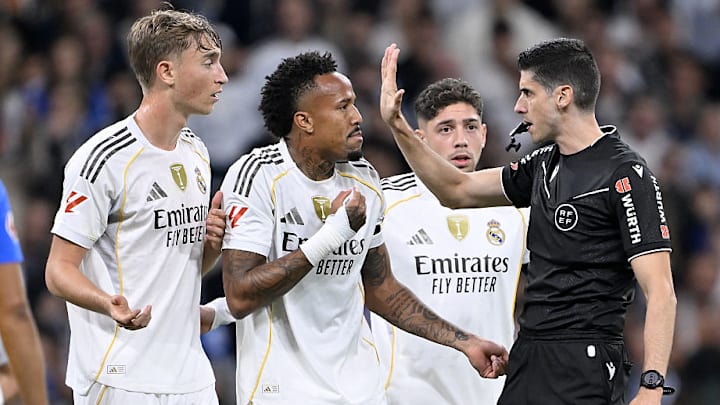
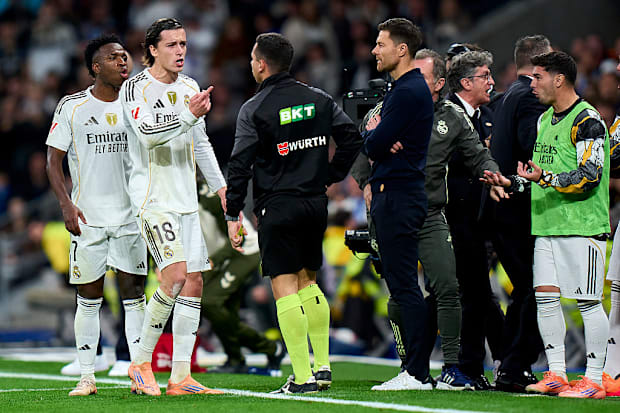
As Los Blancos fought desperately to salvage a result, the Madrid squad repeatedly surrounded referee Alejandro Quintero González and criticized him for his calls. While this isn't uncommon in professional football (though it shouldn't be standard), it follows a troubling trend at Real Madrid over the last 12 to 18 months.
Fran García and Álvaro Carreras received red cards for their tackles and on-field complaints. Endrick was dismissed from the bench due to his hostile conduct toward the fourth official, while team captain Dani Carvajal criticized the referee in the tunnel after the game as tensions escalated.
Real Madrid TV, the club's official broadcaster, attributed the refereeing display and the defeat to the ongoing Negreira controversy (the corruption probe involving Barcelona and José María Enríquez Negreira, the former vice-president of the Royal Spanish Football Federation's Technical Committee of Referees). Following the criticism, Quintero's performance is under review, and he may face demotion to the second tier.
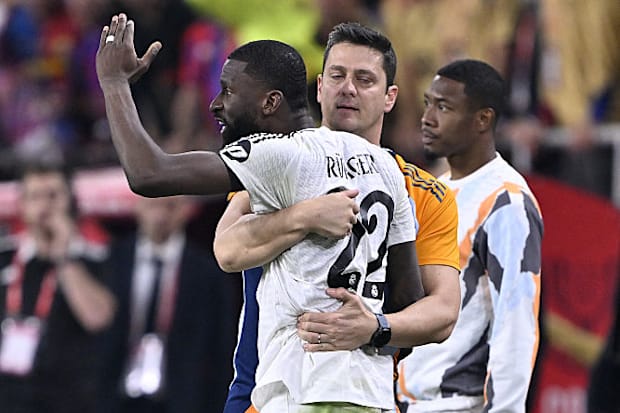
During the previous season's Copa del Rey final, Antonio Rüdiger notoriously hurled an ice pack at the official as Los Blancos fell to rivals Barcelona. Rüdiger earned a six-game ban for his conduct while teammate Lucas Vázquez also saw red for his hostile remarks.
These incidents followed Real Madrid's avoidance of pre-match media obligations and their apparent threat to boycott the game due to the referee assignment. The official even held a press conference—before kickoff—where he broke down while describing the bullying his child endured at school because of his father's supposed mistakes or favoritism.
In October 2024, upon discovering that Vinicius Jr. wouldn't claim that year's Ballon d'Or (he placed second behind Rodri), the club made the independent choice to boycott the awards ceremony. This occurred despite Carlo Ancelotti winning Men's Coach of the Year, and Real Madrid claiming Men's Club of the Year.
Player and institutional arrogance has created a belief that they can escape consequences for any behavior. They can mistreat officials, skip award ceremonies and demonstrate endless protest on the pitch. But this notion of being above reproach tarnishes the club's heritage and values.
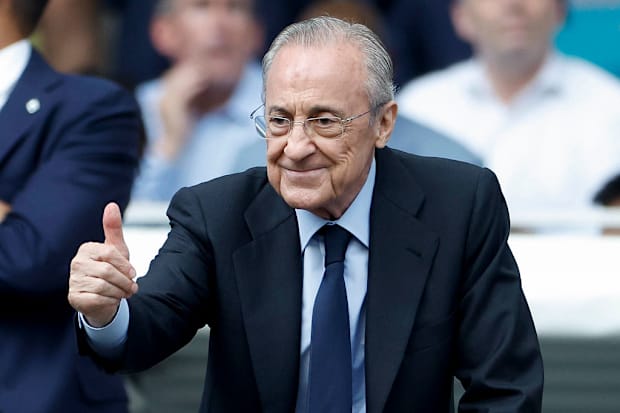
This sense of untouchability originates from the highest levels. Real Madrid TV serves as one of Perez's numerous methods of reaching the public. For years, the club's television network has conducted weekly match previews, examining the appointed referee's "mistakes" or "overlooked calls" in past Madrid fixtures.
The channel is conducting an obvious media strategy aimed at pressuring officials and securing favorable decisions. What it's actually accomplishing is creating rifts between Real Madrid, the refereeing body and the league. Furthermore, it's establishing a whining narrative.
Previously, Barcelona was the team that protested about unfair treatment (possibly justifiably), claiming Madrid received all the advantageous calls. This "Madriditis" served as Barcelona fans' excuse for years, but now it has become Real Madrid's sanctuary. The club and a significant portion of its extreme supporter base view Real Madrid as persecuted, despite being the most accomplished and wealthiest club in football history.
The Raul Asencio Situation
Real Madrid is also confronting sensitive off-pitch issues. Academy graduate Raúl Asencio emerged in the squad under Ancelotti, covering for injured Éder Militão and David Alaba. What should represent an uplifting tale about a homegrown talent earning his place in the senior team is overshadowed by troubling accusations that he allegedly distributed a sexual video featuring two women, one reportedly underage, that three other Real Madrid Castilla players recorded and shared.
Legal authorities are seeking a two-and-a-half-year jail term for Asencio.
This represents an extremely sensitive matter. Everyone remains innocent until proven otherwise, but the reality that such a serious and significant case continues to overshadow Real Madrid and that Asencio keeps playing regularly harms the club's image and questions how earnestly the organization is addressing these accusations.
Super League and La Liga
Meanwhile, Pérez maintains his commitment to the European Super League concept that he attempted to create with the now-former Juventus CEO Andrea Agnelli in 2021. The entire Super League philosophy contradicts fair competition and the structure that has supported European football for decades.
Real Madrid remains the sole club connected to this initiative. Pérez continues pushing the organization onto an isolated path that he believes will elevate it to greater profitability and recognition. In reality, he's simply alienating the club within the broader football community and destroying any remaining goodwill the club possesses across Europe.
Los Merengues' management clashes with La Liga constantly, and are rapidly becoming the villain in a competition they consider beneath them, yet desperately want to win annually.
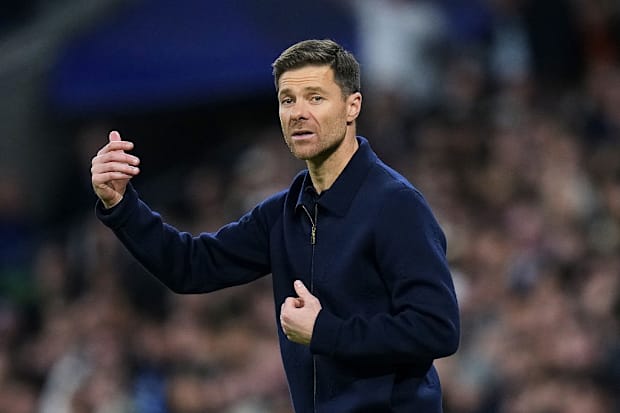
I had hoped that Xabi Alonso, someone who naturally embodies the composure and respect embedded in the club's tradition, would be able to counter the worst traits plaguing the organization, but as he pursues victories, he continues surrendering influence to the players and the president.
It's an overdue recognition, but Real Madrid is no longer the institution I believed it was and wish it could be. It possesses the talent and coach to be an exceptional team and represent its historical principles, but there's something corrupt at the heart of the club that makes supporting it difficult.