
Ruben Amorim's Man Utd Departure Creates Clear Winners and Devastating Losers
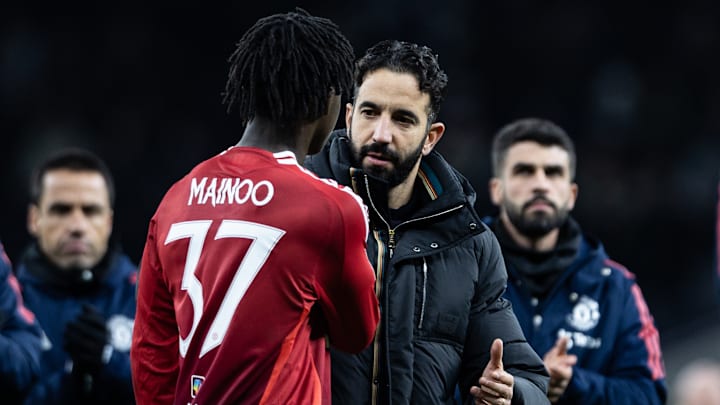
After months of deliberation about whether to back Ruben Amorim and his controversial approach, Manchester United ultimately made their choice: They chose not to.
A total breakdown in the relationship between the manager and the board led to Amorim being dismissed, throwing the Red Devils into another hunt for a new head coach.
While the leadership focuses on securing a replacement, numerous players within the United squad face dramatically altered prospects following Amorim's exit. Some will gain from this change, while others may face increased uncertainty.
Here are those who benefit and those who suffer from Amorim's departure from Old Trafford.
Winners
Kobbie Mainoo
Where better to begin than with the most obvious case?
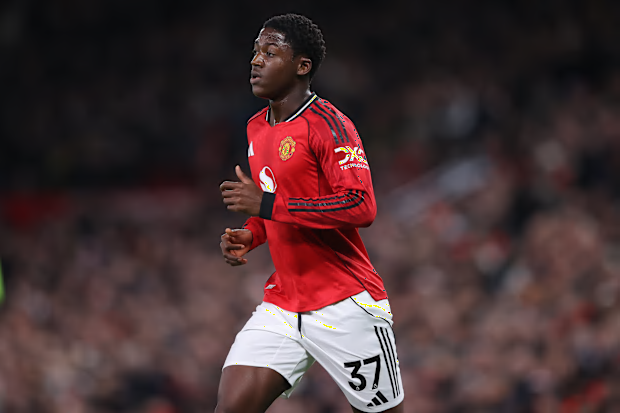
Amorim faced constant questions about his tactical approach and leadership methods during his United tenure, but regarding individual players, only one's situation under the manager consistently made headlines: Kobbie Mainoo.
Mainoo, praised by many as one of United's finest academy graduates in recent years and a potential England national team star, endured a terrible lack of playing time under Amorim as he found himself serving as backup to Bruno Fernandes, the squad's top performer.
A summer loan move was denied and Mainoo's January departure hopes remained uncertain as Amorim wanted to retain him for depth. Whether he now secures that temporary move or gains a better position, something will certainly improve for the gifted 20-year-old.
Joshua Zirkzee
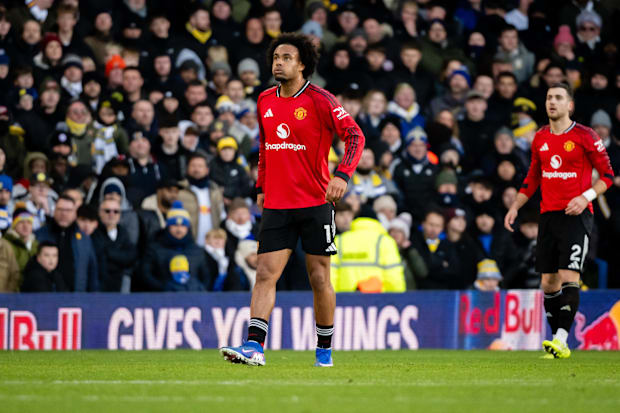
Likewise, forward Joshua Zirkzee was among those considered inadequate by Amorim. A glance at his numbers—nine goals in 63 club appearances—might make that assessment somewhat understandable.
What's evident is that the Zirkzee-Amorim partnership was doomed from the start. The harm may already be done as the Dutch player is discussing a potential departure, but if he seeks another opportunity at United, he might have just discovered one.
Zirkzee excelled in Serie A with Bologna, functioning as the type of withdrawn striker that seemed perfectly suited for Amorim's system. If another coach can unlock the Dutchman's potential, they'll have found treasure.
Amad Diallo
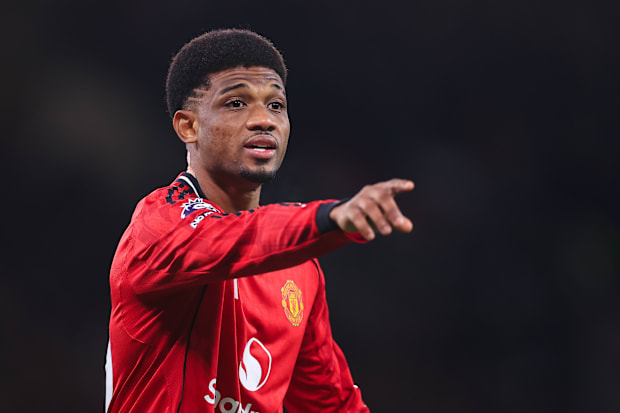
The significance of Amad Diallo's position under Amorim cannot be questioned. The Ivory Coast player featured in 43 matches under Amorim, contributing 10 goals and 11 assists, but the issue was his almost exclusive deployment as a wing-back.
Amad shouldn't have to divide his time between offensive and defensive duties. He's a creative talent and one of the world's most promising young wingers who merits the opportunity to showcase his abilities in a more forward position.
While Amad may retain positive memories of Amorim's period, the prospect of playing in his natural position must be viewed favorably.
David Moyes
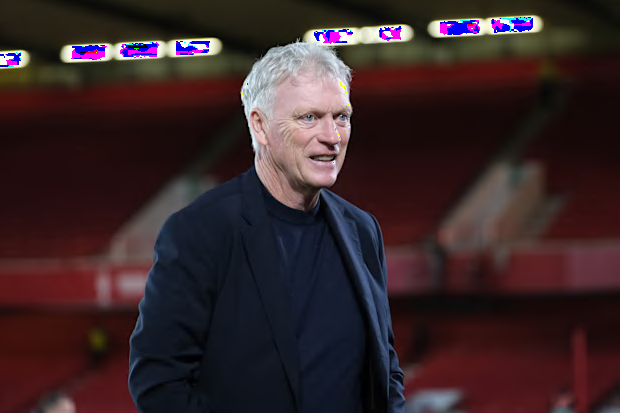
Since 2013, David Moyes held the unfortunate distinction of being the United manager with the poorest Premier League win rate in club history.
No longer.
Amorim's 39.68% win rate falls significantly below Moyes's 50.98%, and the Portuguese manager achieved several other historic lows during his Old Trafford spell, reminding many that criticism of Moyes may have been influenced by the fact he succeeded arguably the greatest manager ever, Sir Alex Ferguson.
Meanwhile, Moyes is thriving in his return to Everton, having added to Amorim's difficulties with a 1-0 victory at Old Trafford in November.
Losers
Diogo Dalot
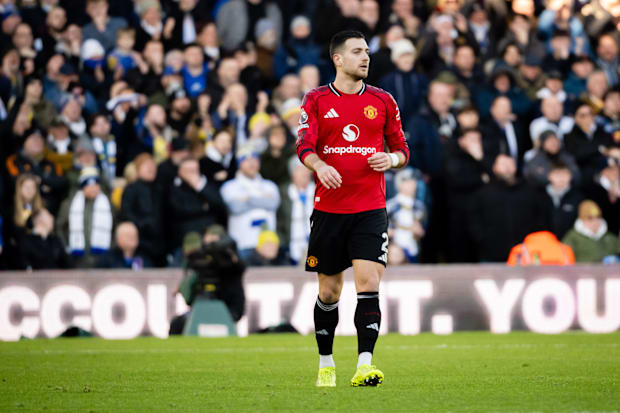
Only Bruno Fernandes (58) appeared more frequently for Amorim at United than Diogo Dalot (54), who was actually discovered to be a distant cousin of the manager.
Amorim's 3-4-2-1 formation, which depends heavily on wing-backs, regularly provided an opening for Dalot, either in his preferred right position or on the left flank. His performance level can be gauged by the fact that one of Amorim's final transfer requests was for a new wing-back to take his place.
Dalot faces a significant challenge to impress United's next manager who, if favoring a return to a four-defender system, might prefer Noussair Mazraoui instead.
Patrick Dorgu
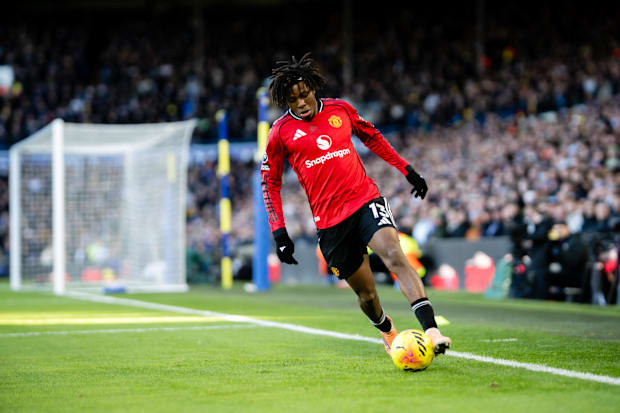
United's efforts to achieve success through Amorim's 3-4-2-1 system led them to sign several custom-fit players, beginning with wing-back Patrick Dorgu.
Having operated in various positions from left-back to right wing with previous club Lecce, Dorgu appeared to be an ideal match for Amorim, and it should be noted that numerous top-tier rivals were also pursuing the Danish player's signature.
The situation didn't develop as expected, with Dorgu receiving public criticism from Amorim regarding his lack of effectiveness. He appeared ready to transform into an attacking player before Amorim's dismissal.
Dorgu is unlikely to become the team's next first-choice left-back and faces intense competition if he aims to secure a regular winger role.
Harry Maguire
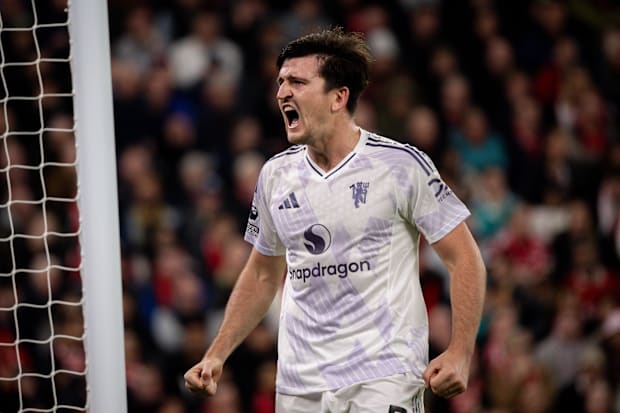
Among the few beneficiaries of the Amorim period, center-back Harry Maguire rapidly became a crucial figure in the heart of the three-man defense.
As Amorim noted, Maguire seemed most effective in a central position with supporting defenders flanking him. Unless the next manager maintains that controversial formation, Maguire must readjust to playing in a two-man defensive partnership.
This change not only risks another decline in performance but also offers no guarantee of regular playing time. Leny Yoro, Matthijs de Ligt, and Lisandro Martínez all appear to rank above him in the hierarchy, with young Ayden Heaven potentially posing another challenge to his minutes.
Mason Mount

Amorim's regard for Mount was evident, as was his commitment to supporting the Englishman through his ongoing injury struggles. A system that provided two positions in his favored attacking midfielder role while removing Bruno Fernandes as direct competition was possibly optimal for Mount.
The truth is Mount excels in the same position as Fernandes, who possesses the ability and proven record to make him an unquestioned starter in this squad. Most formations accommodate only one attacking midfielder, and if Amorim's successor implements such a system, Mount will need to accept a substitute role.
Mount requires steady playing time to develop fitness, rhythm, and confidence after such an extended injury battle, but there's no certainty these chances will come under new management.