
 ไทย
 English
 中國人
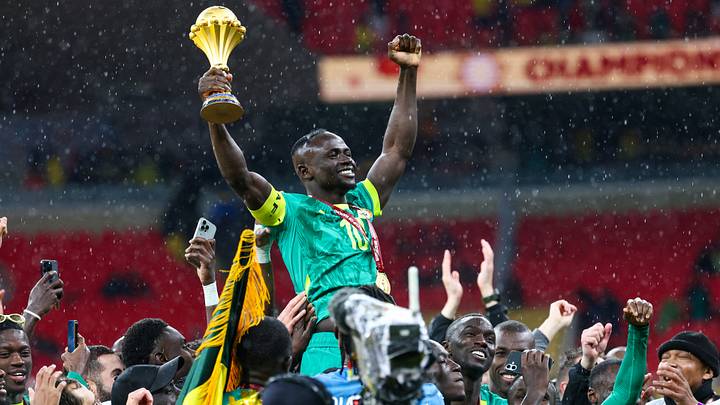
Senegal was celebrated as the 2025 Africa Cup of Nations (AFCON) champion on the field in January, despite briefly walking off during the final. Morocco was awarded the title following an appeal 57 days later, only to have it stripped away by the courts eight months afterward. But the true victor, for once, was the match official.
The Court of Arbitration for Sport (CAS) ruled in favor of referee Jean-Jacques Ndala, determining that "the referee did not err in law" by permitting the controversial final in Morocco to continue once Senegal's players returned to the pitch after initially protesting his penalty decision by retreating to the dressing room.
On Tuesday, Nov. 24—310 days after Senegal defeated Morocco in the final with a solitary goal in extra time—the independent arbitration body upheld the appeal and stood by the on-field result, confirming the Lions of Teranga as the rightful 2025 AFCON champions once and for all.
Morocco's coach at the time, Walid Regragui, compared the final to something straight out of "a Hitchcock script." The turmoil that unfolded over nearly a full year is certainly deserving of a big-screen adaptation.
What Happened in 2025 AFCON Final?

The roots of the unrest that erupted in Rabat on Jan. 18 had been planted in the weeks, if not months, prior. There had been unhelpful—and largely baseless—speculation about Morocco receiving preferential refereeing and scheduling throughout its home tournament. The well-resourced national side was at its competitive peak and had its sights firmly set on a first AFCON crown in 50 years.
This climate of suspicion was further inflamed during a deeply fractious final. After a goalless 92 minutes, Senegal believed it had taken the lead in stoppage time through Ismaïla Sarr. However, referee Ndala ruled that Abdoulaye Seck's push on Achraf Hakimi in the buildup constituted a foul, blowing his whistle before Sarr's shot had crossed the line. Given that premature intervention, VAR was unable to step in even if it had considered the call to be wrong.
Morocco's Real Madrid star Brahim Díaz went down under minimal contact from El Hadji Malick Diouf at a subsequent corner. Play had initially been waved on before Ndala was directed to his pitchside monitor by VAR, navigating through a crowd of furious green shirts before ultimately awarding a penalty. At that moment, Senegal manager Pape Thiaw led a mass walkout by his players.
Captain Sadio Mané was the sole Senegalese player to remain on the pitch, surveying the chaos before heading to the dressing room to persuade his teammates to return. When play resumed, more than 15 minutes after the penalty was first awarded, Díaz saw his weak spot-kick saved.
Pape Gueye's powerful strike in extra time was enough for Senegal to claim a match that had long since slipped from Morocco's mental grip, as the West African powerhouse celebrated the nation's second title in three editions.
Crazy Conclusion
Why Was Morocco Ever Given the Title?
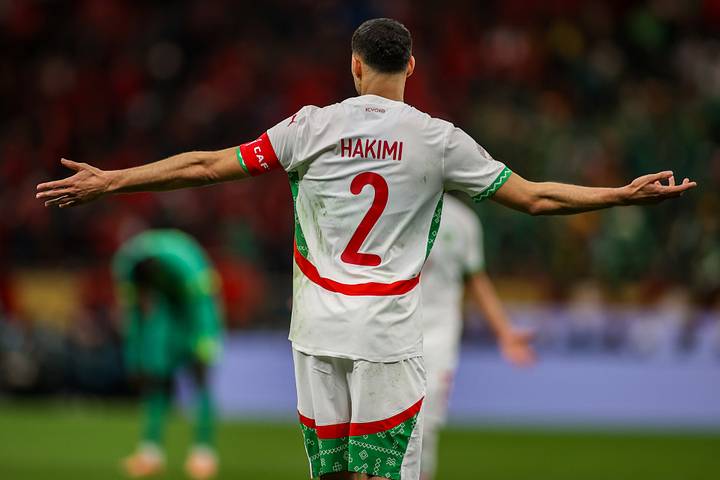
Morocco's initial challenge of the result was dismissed by the Confederation of African Football (CAF) disciplinary committee. However, the influential upcoming World Cup co-host escalated the matter to CAF's appeal board and successfully argued in March that Senegal should be stripped of its title.
The case hinged on Articles 82 and 84 of the confederation's rulebook.
Article 82 of CAF's regulations states:
Article 84 simply stipulates that any team found in breach of Article 82 "shall be eliminated for good from the competition" and handed a 3–0 defeat.
Timeline of Decision
CAS's Reasoning for Senegal Decision
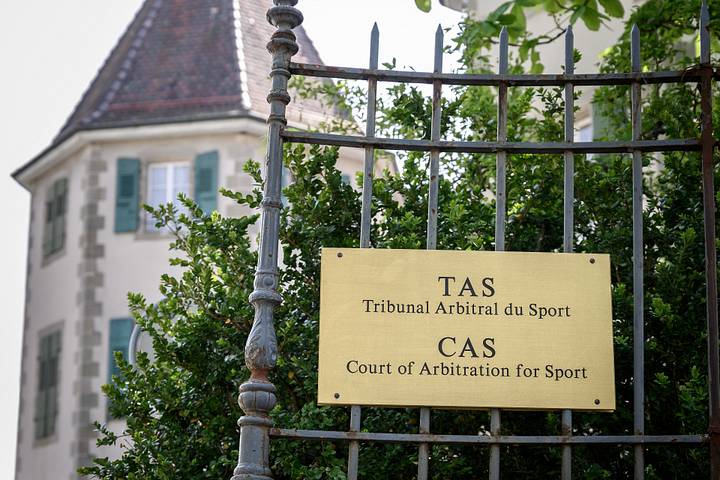
In essence, Morocco contended that the match should have been declared in its favor the moment Senegal's players walked off the field in protest. CAS, however, ruled that the referee was fully entitled to restart the game, something both sides had crucially agreed to during the final.
"The arbitral panel considered that the referee's decision to resume the match or to stop it fell definitively within his sole authority," a CAS press release stated.
"By blowing his whistle to restart play, the referee considered that the conditions for resuming the match had been met—both teams were on the pitch again, and both expressed their willingness to resume."
"Since Articles 82 and 84 of the AFCON regulations are intended solely to determine the outcome of a match when a team's conduct leads the referee to call off the game permanently, they are therefore not applicable in this case," CAS added. "In conclusion, the panel considers that in resuming the match, the referee did not err in law."