
 ไทย
ไทย English
 中國人
中國人
The 2026 World Cup has barely wrapped up, yet discussions are already underway about growing the tournament to 64 teams in honor of the 100th anniversary of soccer's greatest event.
This summer's marquee competition, the first-ever World Cup featuring 48 nations, played out across North America over nearly six weeks and concluded with Spain unseating Argentina as champions. The tournament delivered on virtually every front across its 104 games, commanding worldwide attention despite persistent controversies surrounding ticket costs, political loyalties, and overturned red cards.
FIFA president Gianni Infantino, who championed the competition set to generate a record $15 billion in revenue for soccer's governing body, had previously hinted at expanding the World Cup once more for the 2030 edition—a plan that CONMEBOL president Alejandro Domínguez appeared to confirm.
"The next one is played at home!," he wrote on X. "In 2030, the World Cup comes to Uruguay, Argentina and Paraguay, a great opportunity for soccer, to celebrate the Centenary of the World Cup with a competition featuring 64 teams."
While FIFA has yet to officially confirm such plans, the mere suggestion of another oversized World Cup ignited widespread conversation—and even more heated debate.
The Pros: More Opportunities and Less Third-Place Nonsense
Expanding the World Cup further is naturally an appealing prospect for the governing body. More competing nations means more matches, which translates to greater revenue flowing into FIFA's coffers—all of which is reinvested into the development of the sport, naturally.
There is also the more idealistic viewpoint that Infantino shared with Swiss broadcaster Blue Sport: "When you organize a World Cup, it's important that you organize it for the whole world. It's not just Europe and South America, but the entire world, effectively. Every nation should be able to dream of taking part in the World Cup."
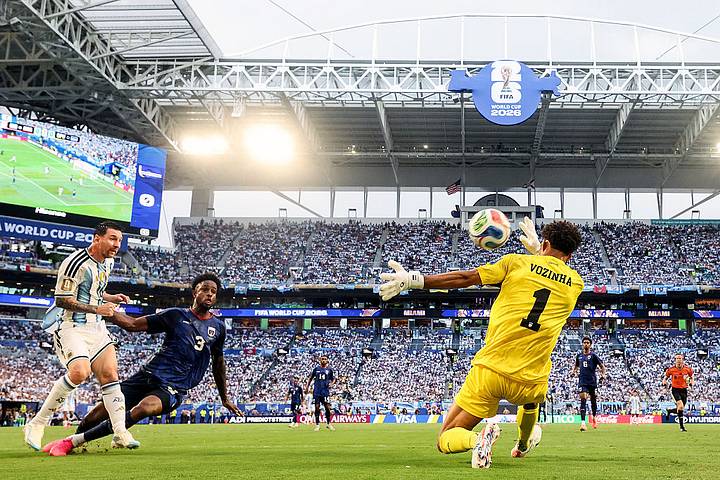
It's hard to argue with the 56-year-old's sentiment, particularly after watching underdogs steal the spotlight this summer. Cabo Verde, a side many anticipated would finish bottom of Group H, became the smallest nation ever to reach the knockout rounds and nearly pulled off the biggest upset in World Cup history against Argentina in the round of 32.
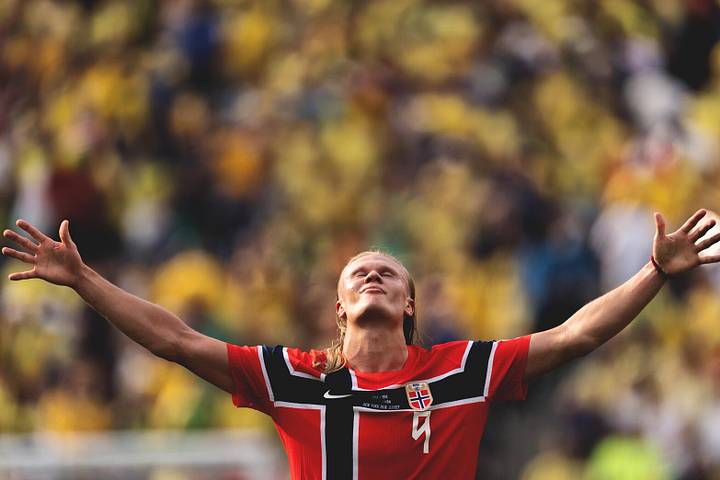
Norway and the ever-magnetic Erling Haaland took Boston and New York City by storm, energizing even the most casual American supporters to rally behind the nation's historic quarterfinal run. Co-host Mexico, meanwhile, delivered arguably the summer's finest match against England at the Estadio Azteca.
Welcoming more teams into the competition only increases the likelihood of stunning results and compelling storylines. It grants overlooked nations the platform to compete on the world stage and inspire hope back home, much as DR Congo did this past summer.
Expanding to 64 teams would also guarantee a packed group stage with matches running practically around the clock—a dream scenario for fans worldwide. Moreover, if FIFA opted for 16 groups of four, there would be no third-place playoff matches; only the top two sides from each group would advance to the round of 32, doing away with the widely unpopular format used this summer.
The Cons: Skill Disparity and Skewed Records
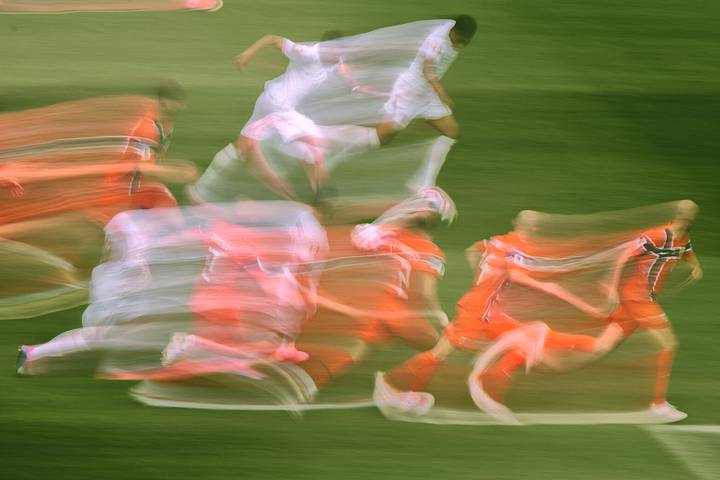
The primary drawback of a 64-team World Cup centers on the quality of competition. There was already considerable criticism about the talent gap between nations with 48 teams. Curaçao qualified for the tournament only to concede nine goals across three group stage outings. The likes of Tunisia and Iraq lost all three of their matches, as did Panama, who failed to find the net even once.
As a result, many of the early fixtures were fairly straightforward and predictable. Even in the round of 32, several matches were heavily one-sided, particularly when a top-tier nation faced a third-place qualifier that was simply grateful to be participating.
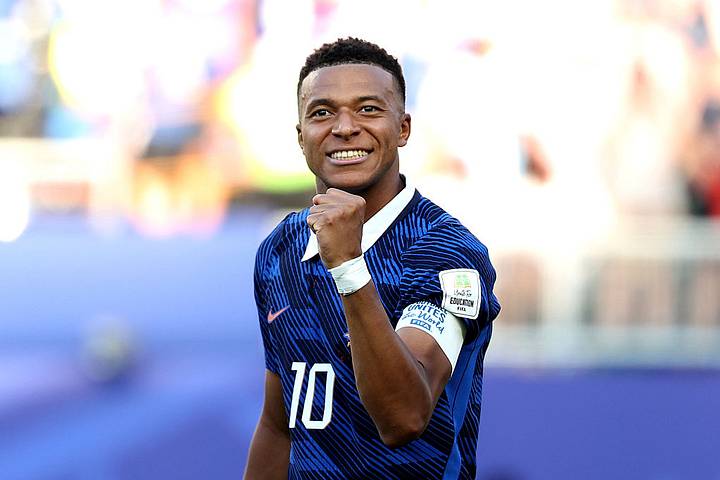
The gulf between teams would only widen with 16 additional nations in 2030. More uncompetitive opponents could easily distort World Cup records, and not in a positive way. What's to stop Kylian Mbappé from feasting on weaker sides to pad his lead at the top of the scoring charts? What's to stop goalkeepers from racking up clean sheet after clean sheet against nations that wouldn't have come close to qualifying for the 2022 World Cup?
We have already witnessed an expanded format tarnish the integrity of Champions League record books, and the World Cup could be next. What is meant to be soccer's grandest stage would risk feeling more like a novelty act.
Consider if Pelé, Ronaldo, or Miroslav Klose had competed in a 64-team World Cup. Truthfully, those legends—along with many of today's biggest stars—might not have even needed to take the field until the knockout rounds, given how lopsided the group stage encounters would be.
Enable functional cookies to see this feature.
Players may also feel inclined to withdraw due to the tournament's duration, which would likely need to stretch close to two months to accommodate such an expanded group stage. Athletes who already have precious little recovery time during a season would find themselves with even less opportunity to properly rest over the summer before a domestic campaign resumes.
Even with all these drawbacks, however, it seems unlikely that anything will prevent FIFA from going even larger in 2030 following the financial triumph of this summer's tournament.