 ไทย
ไทย English
 中國人
中國人
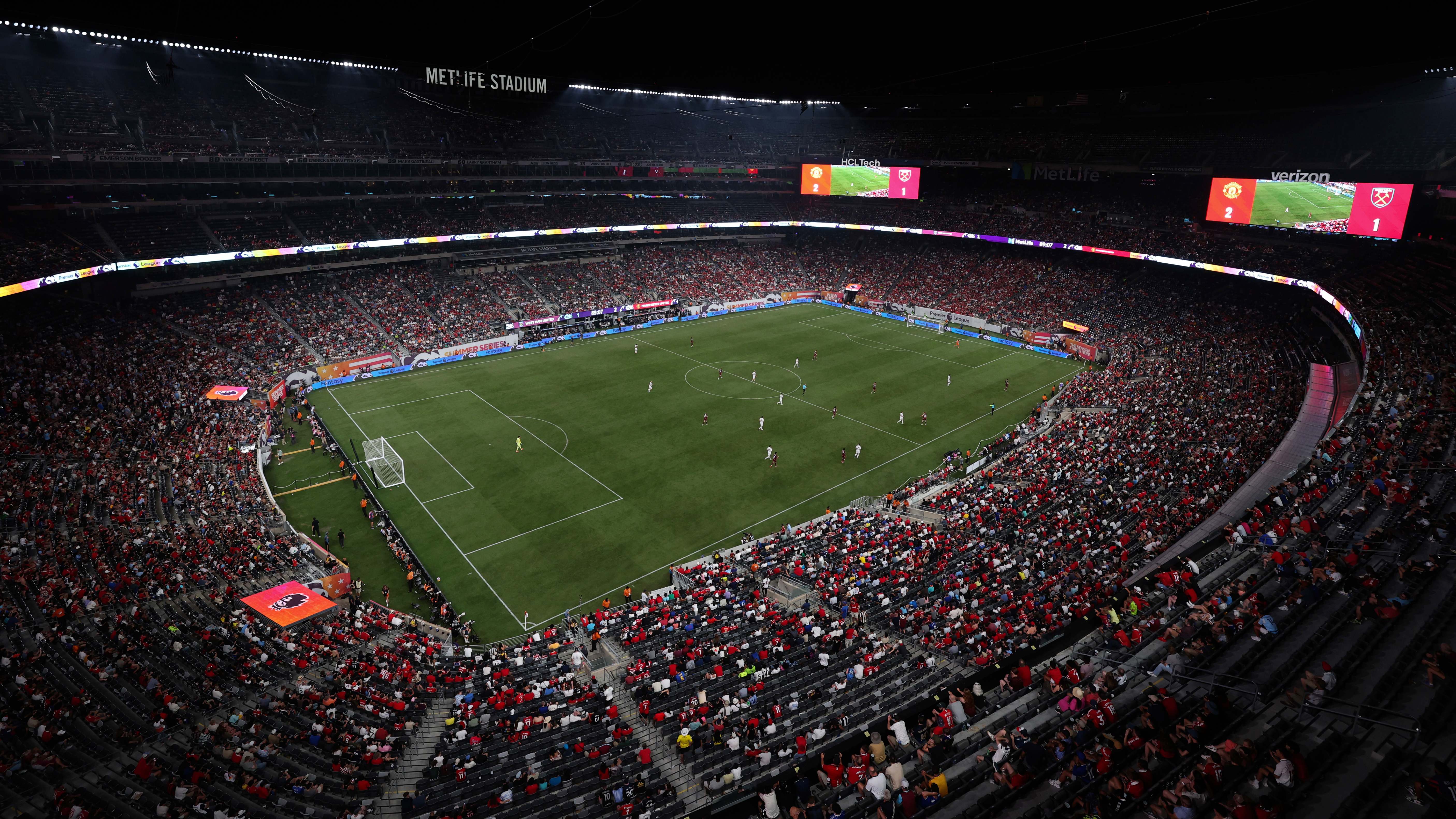
The unexpectedly steep pricing for 2026 World Cup tickets has reportedly generated significant concerns about potential vacant stadiums throughout the United States, Canada and Mexico during next summer's tournament.
While promotional materials featured $21 tickets during the campaign to secure tournament hosting rights, such affordable options were nowhere to be found when FIFA announced its official pricing framework for the World Cup, with supporter anger intensifying upon discovering that the most economical final ticket would exceed $4,000—representing a threefold increase compared to the top-tier pricing for 2022's championship match.
A European fan organization condemned the costs as "excessive," while FIFA's justification for collecting 15% fees from both purchasers and vendors of any tickets traded through authorized platforms also sparked worldwide supporter outrage.
Based on reports from The Times, there are no indications that FIFA plans to reduce ticket costs and, consequently, numerous national federations heading to North America now face legitimate worries about failing to distribute their complete ticket quotas.
Beyond the clear challenges with ticket pricing, international supporters must also factor in travel and lodging expenses when planning to follow their nations next summer. Many who expressed initial interest in tickets months earlier have subsequently withdrawn following the pricing announcement.
FIFA Oversees 65% Rise in Ticket Sales Forecast

Ticket distribution through national federations continues until Jan. 13, when it will become apparent whether any organizations have failed to sell their complete allocations.
FIFA appears unconcerned about diminished attendance figures. After originally projecting World Cup ticket revenue of approximately $1.8 billion, that projection has now climbed to $3 billion.
Adding to this substantial increase is FIFA's implementation of a flexible pricing model, which elevates costs for high-demand tickets while reducing prices for less popular options. This approach is not exclusive to FIFA and has consistently drawn considerable backlash.
FIFA reports receiving "exceptional levels" of demand regarding ticket purchases, though the majority of these supporters were located within the three North American host countries.
READ THE LATEST WORLD CUP NEWS, PREVIEWS & ANALYSIS HERE