
 ไทย
ไทย English
 中國人
中國人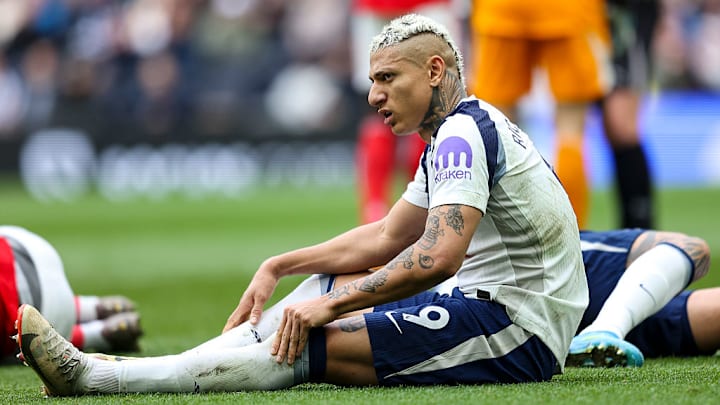
For many, this outcome was entirely foreseeable.
Igor Tudor has failed to complete his short-term contract at Tottenham Hotspur, enduring just seven matches and 44 days in north London before the club officially confirmed his exit on Sunday.
The Croatian replaced the deeply unpopular Thomas Frank with Spurs sitting five points above the relegation zone, benefiting from a comfortable cushion over several sides below them. He exits having secured just a single Premier League point, leaving the Lilywhites mired even deeper in trouble.
Now, only a single point stands between the Europa League holders and a catastrophic fate.

Those in charge at the north London club remain uncertain of their next move, but Tudor's position became impossible to defend following last week's 3–0 loss to relegation rival Nottingham Forest.
Whoever steps in to replace the departing Croatian faces the daunting challenge of keeping a club that considers itself among Europe's elite from dropping out of the top flight. Here's what Tottenham must do to steer clear of relegation following the dismissal of their interim boss.
1. Learn From Tudor Mistake
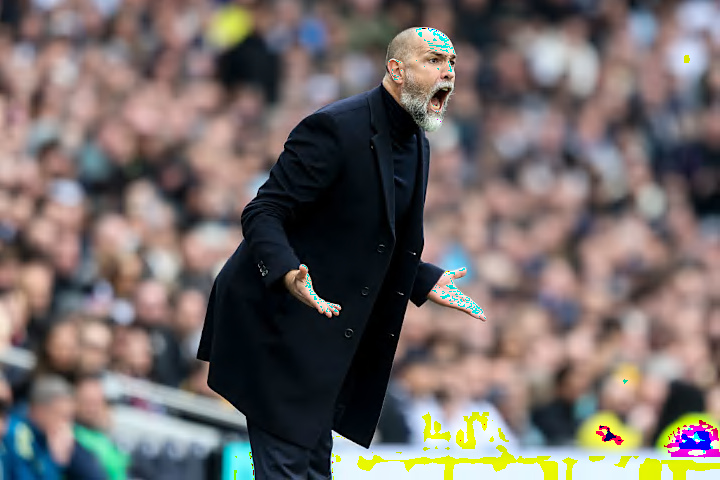
Tudor arrived at N17 surrounded by skeptics, and those who insisted the 47-year-old was bound to struggle because he lacked familiarity with the English game will undoubtedly be feeling thoroughly vindicated right now.
And while Tottenham's problems extend far beyond just the man in the dugout, the club would do well to acknowledge the misstep they made in bringing Tudor on board.
They acted on a recommendation from former sporting director Fabio Paratici, trusting that the immediate impact Tudor had demonstrated elsewhere — not only in Italy but also in France with Marseille — would translate to north London.
But it simply didn't happen. Tudor's struggles weren't entirely due to unfamiliarity with the Premier League, but given Spurs' precarious situation, it seems prudent to appoint a coach with either a deep understanding of the club or direct experience navigating similar circumstances.
They shouldn't rush into installing their next long-term 'project' manager. A wiser course of action would be to turn to Ryan Mason or attempt to lure Robbie Keane away from Ferencváros. Putting pride aside and turning to Sean Dyche — who guided Everton to safety in 2022–23 — wouldn't be the worst call either.
This is not the moment for Adi Hütter to make his Premier League debut.
2. Empower Broken Squad
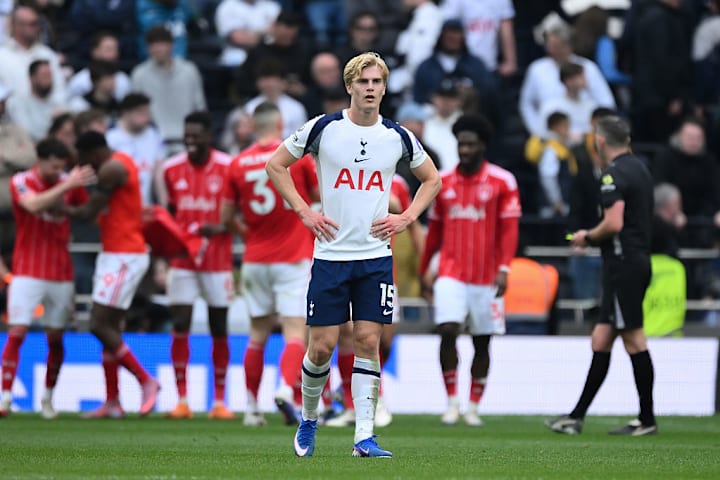
Thomas Frank drained the spirit from a squad that began 2025–26 full of confidence following that memorable Europa League final triumph.
The Dane's style of play was labored and lacked any real conviction, with Tudor repeatedly suggesting during his brief tenure that his players needed to rid themselves of "bad habits" to halt the slide. The interim manager was unable to undo all of Frank's damage, and the next man in the hot seat will inevitably find a complete transformation equally difficult to achieve.
While there were at least some encouraging moments under Tudor — most notably against Liverpool and Atlético Madrid (when everyone had the right footwear) — this remains a fractured Tottenham squad lacking dependable leadership.
There was a sense that Tudor's hard-edged approach wasn't well-suited to the fragile Lilywhites, who appear to need a more nurturing touch. Harry Redknapp would have been the perfect fit a decade ago, but the beloved former manager has been away from the game since 2017, far more interested in horses and reality TV than football, even if he'd jump at the opportunity.
This is a squad talented enough to avoid the drop — there's little question about that — but they must quickly rediscover their passion for a sport that has been unforgiving to them of late. Empowerment will be the next manager's most vital tool. Spurs won't grind their way to safety with a low block.
3. Trust Those Who Care Most
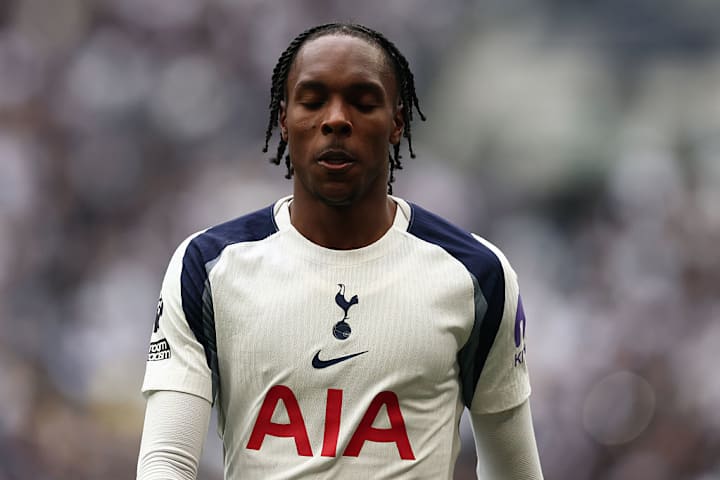
There is a growing belief among sections of the Tottenham fanbase that certain players consider themselves detached from the club's current crisis. Reports suggest some individuals have openly voiced this sentiment in the dressing room, and a perceived indifference has seen once-popular figures face fierce criticism.
Micky van de Ven is among those to have faced intense scrutiny, with the Dutchman's performances declining sharply in 2026 after a strong autumn. Van de Ven pushed back against such accusations, dismissing suggestions that any players had mentally checked out, aware they could move on regardless in the event of an unthinkable relegation.
Motivation certainly didn't appear to be the issue last week against Forest. Tudor should have handed Xavi Simons a starting berth following his impressive display against Atléti, and was made to regret his panicked double substitution at the break. Ultimately, Spurs' technical deficiencies were laid bare by a resolute Forest backline that had little difficulty keeping the hosts at bay in the second half.
This is a gifted but clearly flawed squad. Those considered the most talented have let their colleagues down at various points this season — including the highly regarded center-back pairing — and no one should be considered untouchable when it comes to selection for the remaining seven must-win matches.
Those who have underperformed don't deserve the opportunity to be late-season heroes, particularly as injured players return to fitness. Those who have given everything to the cause recently, such as Archie Gray and Mathys Tel, must be valued accordingly. It is these individuals who will be instrumental in Tottenham's survival.
4. Give The Ball to Mohammed Kudus Again
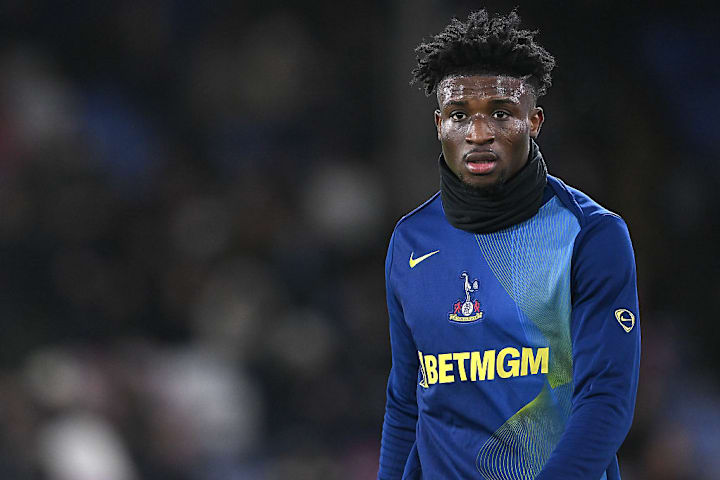
Tottenham have not won a Premier League match since Mohammed Kudus picked up a thigh injury at the start of 2026. To say the Ghanaian's absence has been sorely felt would be an understatement, particularly with creative talents James Maddison and Dejan Kulusevski yet to feature for even a single minute this season.
Frank's Spurs had precious little attacking creativity beyond handing the ball to their most dangerous player on the right flank. Kudus was essentially Frank's only weapon during his dismal spell in charge, with the Lilywhites almost entirely reliant on the summer signing's ability to hold off defenders and beat his man to generate any meaningful chances in the attacking third.
The failure to bring in a forward during the winter window — having sold Brennan Johnson and lost Kudus to injury — was baffling, and has played a significant role in their current predicament.
On a more positive note, Kudus is working his way back to fitness and could potentially be available for Tottenham's next fixture against Sunderland on April 12. Before long, Spurs will once again be able to hand the ball to their most dangerous player on the right flank.
Things should start looking up as a result.