
 ไทย
ไทย English
 中國人
中國人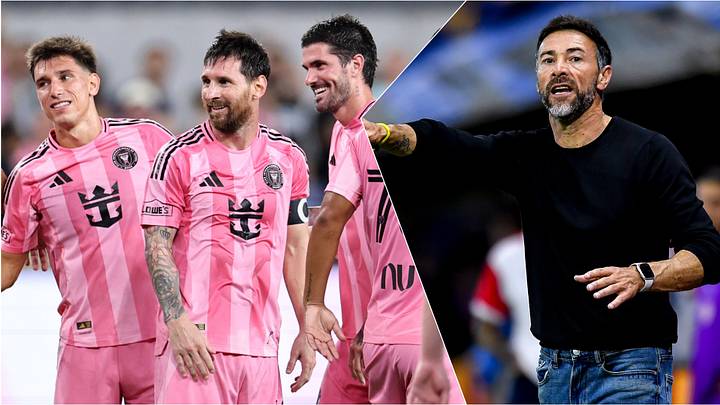
Inter Miami are embarking on a new chapter. Following the end of a five-match winless run across all competitions with their most dominant victory in club history — a 7–1 demolition of CF Montréal — the club is set to welcome its fourth consecutive Argentine head coach of the Lionel Messi era, Cristian "Kily" González.
A former international teammate of Messi with Argentina and a coach whose entire career has been spent in his home country, González faces the enormous challenge of restoring Miami to the summit of MLS. The team has gone over a month without defeating any side currently sitting above the MLS Cup playoff line. With trophy ambitions firmly in mind, González will need to surpass his career coaching win rate of just 32%.
It's not an insurmountable challenge for him and his incoming staff as they succeed a underwhelming spell under caretaker boss Guillermo Hoyos. They can also rely on Lionel Messi's remarkable output of 18 goals and 10 assists across 19 appearances — but the road ahead is far from simple.
Here, Sports Illustrated examines three priorities González and his new coaching staff must address upon taking charge in South Florida.
Defining a Focus for 2026 and Beyond
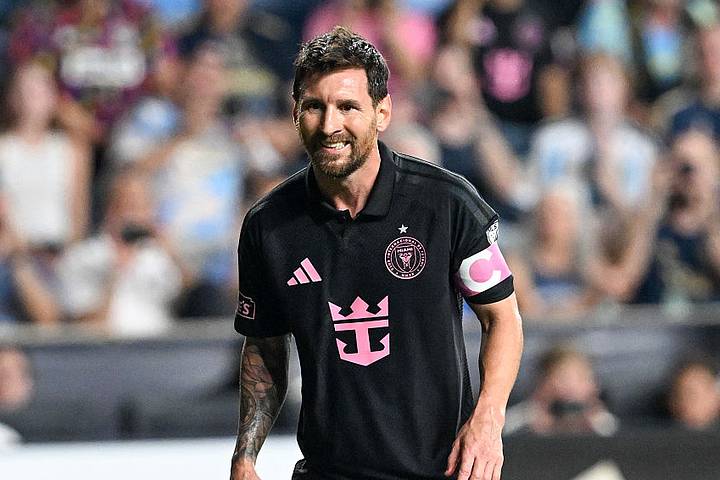
Ever since Inter Miami secured Messi's signature in 2023, the co-ownership group of Jorge and José Mas, together with David Beckham, has operated with a clear sense of purpose. The initial mission was to bring Messi to the club. That quickly evolved into winning silverware, then the Supporters' Shield, then MLS Cup, and heading into this campaign, the focus shifted to continental glory in the Concacaf Champions Cup.
Now with González taking the reins, there is no defined objective — and nothing currently available that the core of this squad hasn't already claimed. This season alone, they've already been eliminated from the Leagues Cup and Champions Cup, and appear to be well out of contention for the Supporters' Shield, sitting 10 points adrift of Nashville SC's extraordinary campaign, which is on course to surpass Miami's own all-time points record set in 2024.
Defending the MLS Cup must now be the primary objective, but for a coaching staff with long-term aspirations, mapping out the club's next phase is equally important. If another MLS Cup run is the aim, how does that shape squad rotation decisions during the regular season? If maximizing Messi's form and chasing records becomes the priority, how will that be received by the fanbase?
With the new condensed 2027 MLS sprint season of 14 games launching in February — and the possibility of competing for two MLS Cup titles within a six-month window — Miami desperately need a clear sense of direction and ambition, something that currently feels absent beyond a desire to qualify for next year's Champions Cup and make another push for regional supremacy.
Sort Out the Center Backs
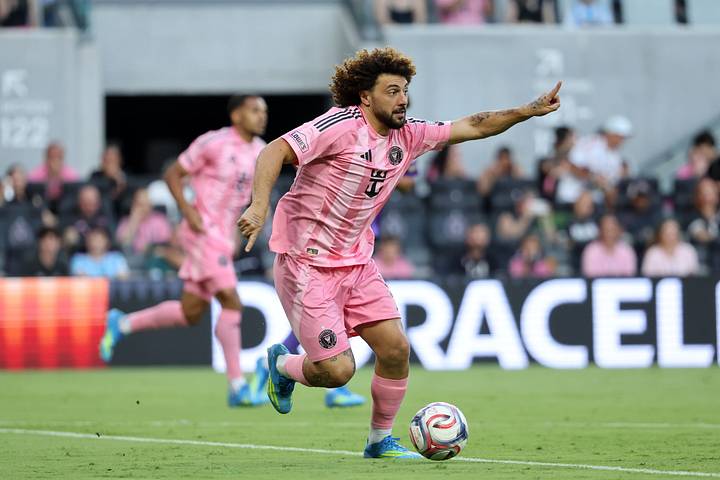
Inter Miami have enjoyed many memorable moments across the three seasons since Messi joined the club, but the one area that has persistently been a weak point is the center of defense. Yet neither 2024 nor 2025 compares to the defensive fragility the team is experiencing in 2026, with Micael, Maxi Falcón, and Gonzalo Luján all guilty of costly errors at various points.
By the time González officially takes charge, the transfer window will offer little room to maneuver, but he can reshape the team's tactical structure to better suit the players at his disposal and reduce the frequency of defensive lapses.
In the victory over CF Montréal, Casemiro impressed in a center back role, bringing composure and authority to the backline while registering six clearances and nine defensive actions — a display that outshone the performances of the recognized central defenders for much of this campaign.
With Falcón partnering him on that occasion and both Luján and Micael sidelined through injury, one potential solution could involve Casemiro taking on the role more regularly, paired with either Luján, Micael, or even left back Noah Allen, who successfully adapted to playing center back during last season's MLS Cup playoff run.
Whichever defensive pairing González ultimately settles on, establishing consistency and identifying the combination best suited to support goalkeeper Dayne St. Clair will be critical to the team's pursuit of their ambitious goals.
Integrating Returning Players from Injury

Injuries have taken a significant toll on Miami this season. Tadeo Allende suffered a knee injury early in the campaign after failing to replicate the impressive form he showed during last year's playoffs, while Mateo Silvetti also picked up a knock during the Leagues Cup.
While Allende's comeback may still be some way off, Silvetti is closing in on full fitness and could soon return to the starting lineup. The challenge for González will be how he reintroduces the technically accomplished winger into the squad, while balancing the need for team cohesion and player development against the strong performances of several experienced squad members.
Central to this puzzle will be the roles of Luis Suárez and Germán Berterame, who have each shown flashes of quality in 2026 but have struggled to click as an effective partnership. Berterame, despite being younger and having arrived for $15 million in the offseason, may find his minutes reduced after finding it difficult to adapt to a wider position — precisely the area where Silvetti excels — in recent weeks.
If González chooses to build his attack primarily around Suárez as the central offensive focal point, however, it could prove a risky strategy given the 39-year-old's susceptibility to injury and potential difficulty matching the intensity of postseason football. A Suárez-led attack may flourish in the regular season, but Berterame could prove the more reliable option come playoff time — and much of it will depend on what Silvetti can offer, should the team maintain their front three system.