
 ไทย
ไทย English
 中國人
中國人
Thomas Tuchel has gone on the offensive following intense backlash over his tactical decisions during England's 2026 World Cup semifinal loss to Argentina, calling into question the players' "DNA."
After taking the lead 10 minutes into the second half via Anthony Gordon's close-range finish, England almost instantly pulled back and fell into a nervous, overly cautious defensive shape, a situation made worse by Tuchel's substitution choices.
Speaking after the final whistle, defender Marc Guéhi told reporters, "We should have kept pushing forward," while captain Harry Kane reflected, "Once we went 1–0 up we seemed to just try and hold on which at this level is just not enough."
Argentina goalkeeper Emiliano Martínez offered his perspective from the other side: "We could see them dropping further and further back rather than pressing forward. Sometimes when you're winning, you still have to attack. You can't abandon your game plan."
Remarkably, in the 30 minutes between England's goal and Argentina's equalizer, the Three Lions managed just 12% possession and completed only 25 passes compared to Argentina's 234, with the players seemingly powerless to stem the relentless waves of attacks.
Across the last three major tournaments, England has twice taken the lead in a World Cup semifinal only to fail to close out the match. When appointed, Tuchel was presented as the tactically sharp coach who would free England from a pattern of crumbling under pressure, but this latest defeat has exposed in-game management failures just as glaring as those seen under his predecessor Gareth Southgate.
Who's to Blame for England's Defeat?
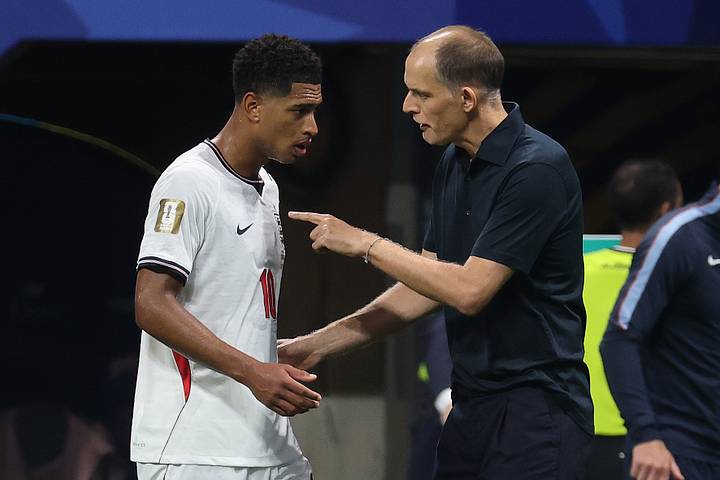
In the immediate aftermath of the match, Tuchel stated he had "no regrets," insisting every decision he made was what he believed was right at the time. However, he later pushed back against criticism of his negative tactics, redirecting focus toward the players who froze when it mattered most.
"In that moment my feeling was that no system in the world could have helped us," he said. "Because we were too passive and not physical enough — we couldn't stop runners entering our box and the deliveries were wrong as well.
"I haven't looked at the data yet, but I believe that right after the goal the momentum shifted completely and ball possession dropped dramatically. We couldn't win any duels anymore; that's why we kept dropping deeper and deeper. It was never the intention, but that's what happened.
"We couldn't stop the runners coming from the second line, the midfielders, through our gaps, and the deliveries were of the highest quality. You need to win the ball back; otherwise you can't relieve the pressure or regain momentum.
"I think ball possession is crucial — it's perhaps not in our DNA the way it is in the Spanish DNA or the Argentinian-Brazilian DNA, to take the ball and control the game through it."
Before the semifinal exit, England had faced similar control problems in the knockout rounds against Norway and Mexico but managed to weather the pressure on both occasions. After the quarterfinal, Tuchel praised England's mentality but admitted his team had been "lucky" to advance — remarks that appeared to irritate Jude Bellingham.
What Needs to Change for the Next World Cup?
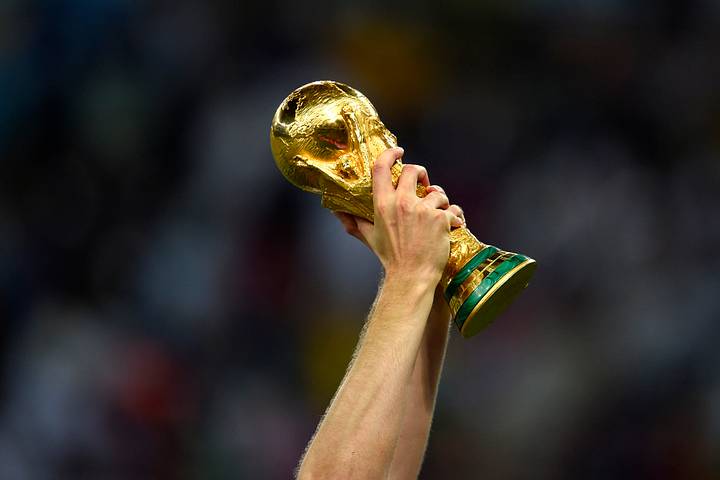
Despite what is rapidly becoming a thorough post-mortem on this tournament and its failings, the reality remains that England is one of the four best national teams on the planet. It held that status before the tournament began and proved it by reaching the semifinals, before falling short against the reigning champions.
Jude Bellingham will still be part of the squad for the next World Cup in four years, as will Declan Rice, Bukayo Saka, and Elliot Anderson, while England's pipeline of emerging talent has rarely looked stronger.
The manner of this exit undoubtedly hurts, but this is not an 'Iceland 2016' scenario and any changes should be gradual rather than a wholesale rebuild.
Possession Soccer Still an Issue
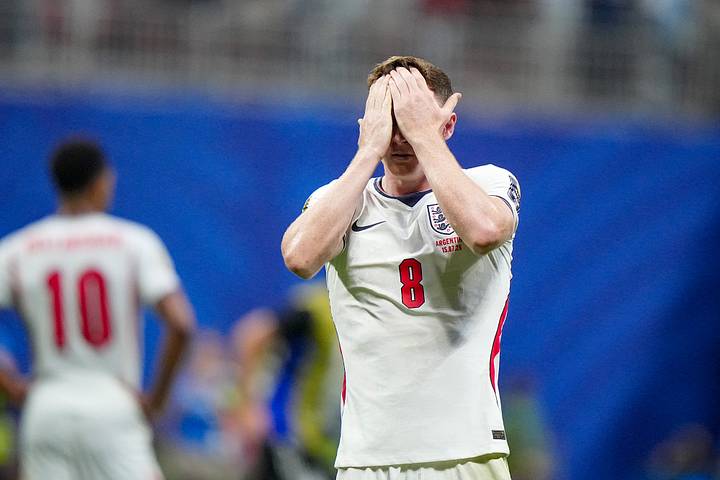
One positive from Tuchel's tenure has been his emphasis on system over individual stars, but there is still significant work ahead.
What this World Cup has made clear is that England lacks the ease in possession that both finalists, Spain and Argentina, consistently demonstrated.
The ball-confident, press-resistant approach of Luis de la Fuente's side in particular allowed La Roja to dominate their matches, brushing aside the likes of France and Portugal along the way this summer.
Tuchel has frequently spoken about wanting to implement a Premier League-style approach with England, built on directness, pace, and physicality. However, when that brand of football isn't enough, there must be a greater emphasis on controlling games through possession, rather than depending on individual brilliance and desperate defending.
Where Are the Controllers?
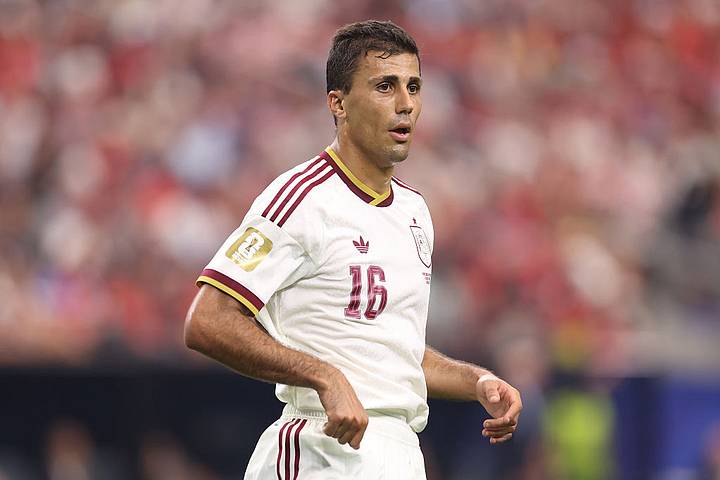
A persistent issue is that, while England has produced some of the game's finest technical attackers in recent years, it continues to fall short when it comes to ball-playing, controlling figures in midfield and defense.
There was debate surrounding the exclusion of Adam Wharton and Alex Scott from England's final 26-man squad, though it's unlikely either would have dramatically altered the overall style of play. At academy level, England must continue developing top-tier players capable of operating comfortably in possession from deeper positions.
No English midfielder features in the top 15 for passes completed at the 2026 World Cup. Spain's Rodri — exceptional as he is — has completed 263 more passes than England's leading midfield passer Elliot Anderson. Passing volume alone may not tell the whole story, but retaining the ball effectively creates the confidence for England's key players to flourish.
How to embed this into the English "DNA" given the limited time available during international windows compared to club football remains a fundamental challenge.
Brave Leadership
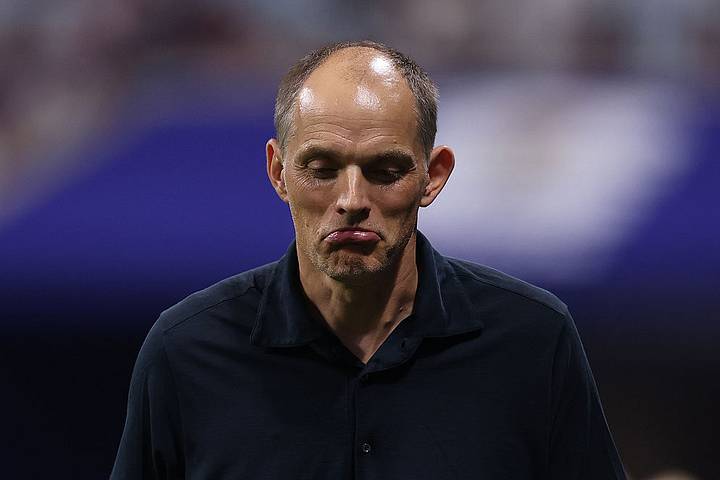
While Tuchel's pointed remarks have shifted the conversation back onto England's technical and mental shortcomings, the manager must still accept responsibility for setting the tone and building the players' confidence.
Enable functional cookies to see this feature.
Tuchel's in-game management, both against Norway and against Argentina, undeniably contributed to a climate of fear in which the players felt their only option was to desperately cling on, rather than push for a decisive second goal.
The England manager's role is as much about being a confidence-builder and man-manager as it is about tactics. England possesses most of the ingredients needed to become a trophy-winning nation, but requires a leader who can help the players navigate high-pressure moments, with nerves rooted in a national psyche shaped by 60 years of collective disappointment.