
 ไทย
ไทย English
 中國人
中國人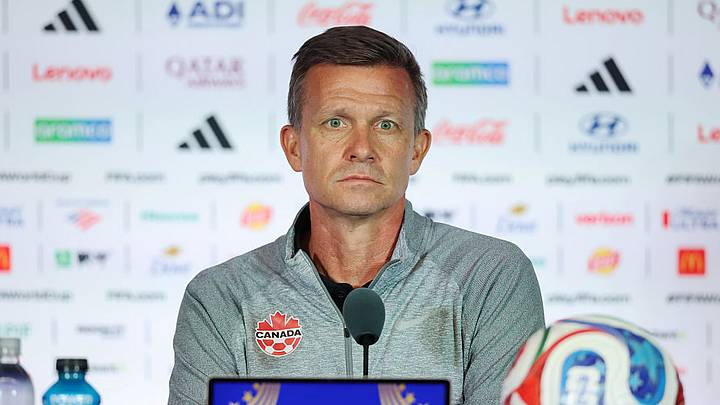
HOUSTON – The 2026 World Cup was handed to Canada and head coach Jesse Marsch on a silver platter.
As a co-hosting nation, with a favorable schedule featuring home matches in cities like Toronto and Vancouver, it presented a golden chance to cement soccer as the country's second-most popular sport going forward.
Given the struggles of the national pastime in recent years, the World Cup could have even elevated soccer to the top spot in Canadian sports, had the team advanced to the quarterfinals and inspired a generation of youngsters to trade their hockey sticks for a ball.
There may still be a lasting impact, thanks to the substantial FIFA funding the Canadian federation will receive. The player pool, arguably the strongest it has ever been, appears to be on an upward trajectory, and television viewership continues to grow.
Yet, following Canada's crushing 3-0 elimination from the World Cup at NRG Stadium against Morocco, it feels more like a monumental squandered opportunity. That applies to both the squad and its standout player, Alphonso Davies, who was expected to use this tournament on the more familiar side of the Atlantic to elevate his profile on and off the field.
That moment has now passed without being capitalized upon. Years down the line, when reflecting on this historic campaign and the country's first-ever pair of World Cup victories, it may not be the joy that lingers, but rather the haunting question of "what if?" for everyone who wore the maple leaf.
WIN FIFA WORLD CUP 2026™ FINAL TICKETS & OTHER PRIZES

The Missed Opportunity for Dramatic Upset
"Getting knocked out of the tournament, especially when you perform at such a high level, is incredibly hard to accept," said Marsch after the match, remaining remarkably composed despite all three of his opponent's goals coming largely against the flow of play. "I challenged the players to recognize that we can perform like this consistently, against the best sides in the world."
"The real test is whether we can maintain that level for a full 90 minutes."
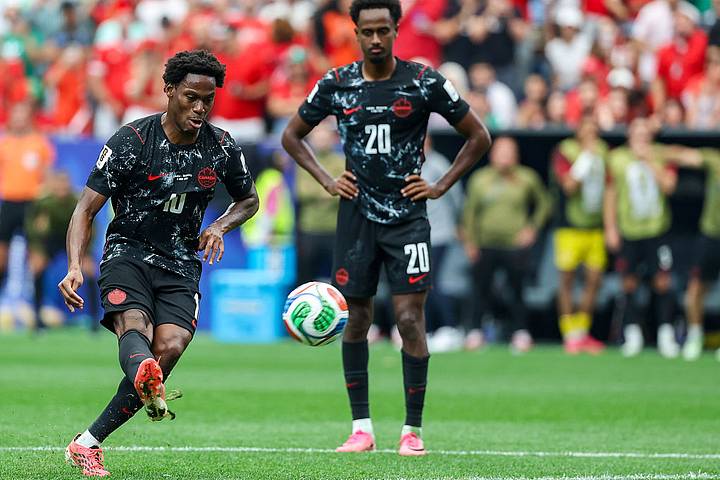
Credit where it's due to Marsch — a suffocating first-half display allowed Canada to legitimately claim they were the superior side against a team ranked in the global top 10 by FIFA, one that had made a stunning run to the semifinals just four years prior. The Atlas Lions appeared rattled as they absorbed relentless pressure and produced nothing from their 67% possession at halftime, generating just 0.02 xG while conceding five corners. Several defenders picked up yellow cards, and Ismael Saibari, who will join Davies at Bayern Munich in the coming weeks, was forced off with a hamstring injury.
A major upset appeared to be brewing, particularly after Tani Oluwaseyi nearly found the net for Canada within the opening 15 minutes — a goal that would have given the American coach an early advantage amid the Independence Day fireworks.
But the chances dried up, giving Morocco a lifeline. The North Africans finally broke through when Azzedine Ounahi capitalized on disorganized defending to convert a set piece in the 50th minute. He added a second on the counter in the 82nd to effectively end the contest, before Soufiane Rahimi twisted the knife with a third in stoppage time.
"We didn't abandon our identity or our principles," said Morocco manager Mohamed Ouahbi. "They pressed with great intensity and were aggressive in certain zones. We simply had to avoid playing into those areas."
Though Ouahbi didn't reference Davies by name, the task was undoubtedly made simpler by the Bayern Munich defender's absence. He managed just 15 minutes of action across a deeply disappointing World Cup campaign while managing a hamstring injury sustained during club play earlier in the spring.
The Aftermath of Alphonso Davies's Absence
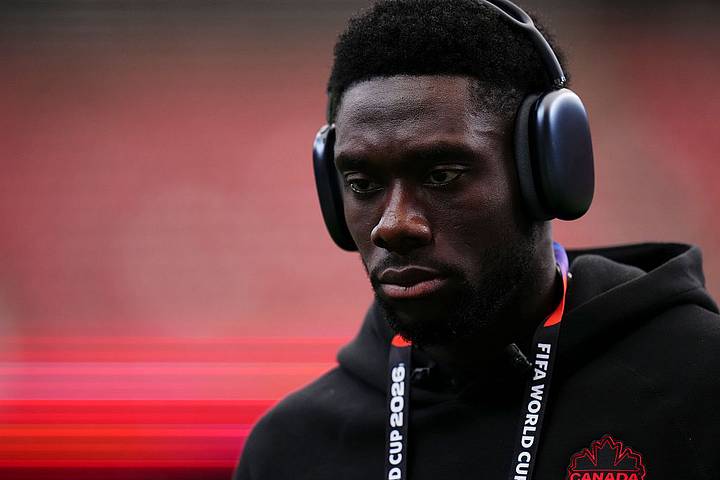
Canada doesn't have many players who can genuinely be labeled "world class," but Davies is unquestionably among them. His speed and dribbling are exceptionally rare. When fit and on the pitch, he has played a pivotal role in winning major trophies in Munich and pushing the national team to new heights in Concacaf.
"I felt like I wasn't ready. That's why we made the call — or I made the call — to sit out," he said in the mixed zone afterward. "I didn't want to be a liability for the team or on the field."
Yet in reality, his limited availability throughout the tournament — right up to the 24 hours before the most significant match in Canadian soccer history — did weigh on the group.
Did the team expect him to play? Yes, until two days prior at least, when Davies began feeling the injury flare up again. That triggered another round of uncertainty that his teammates handled admirably but ultimately couldn't sustain beyond 45 minutes.
"There was no new injury, but the hamstring just didn't feel right. We were hoping he'd wake up this morning feeling better, but he didn't. We wanted to be cautious and avoid any further risk," said Marsch. "Obviously at the 68th minute, when it was 1-0, having him available would have been huge — even at halftime. But he wasn't healthy enough, and it hurt him more than anyone.
"I believe it was the right call to protect him and his career, and get him back to full fitness."
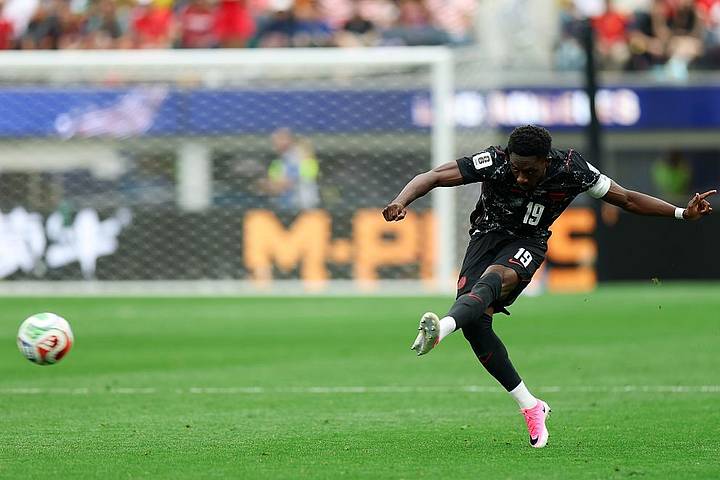
It's a commendable stance, and one that fans and club officials back in Bavaria will likely appreciate, provided it leads to a strong 2026-27 campaign for Davies.
Diehard Canadian supporters, however, may see it as the perfect symbol of a World Cup that was both successful and deeply frustrating in equal measure.
What if Davies had been fully fit and used these games to become the soccer equivalent of fellow Canadian Wayne Gretzky — who actually drew some mild jeers from the announced crowd of nearly 68,000? What if Ismaël Koné hadn't suffered a broken leg, robbing the starting lineup of another top European league contributor? What if Canada had simply topped its group, securing a path to more matches on home soil rather than facing a heavily pro-Morocco crowd in Houston?
Enable functional cookies to see this feature.
It was all within reach for Canada and its finest player to seize. The setup was tailor-made for the kind of run that would have inspired countless documentaries and ignited national pride from coast to coast.
Instead, the opportunity slipped away, and both Davies and Canada may be left wrestling with that reality for years to come.