
 ไทย
ไทย English
 中國人
中國人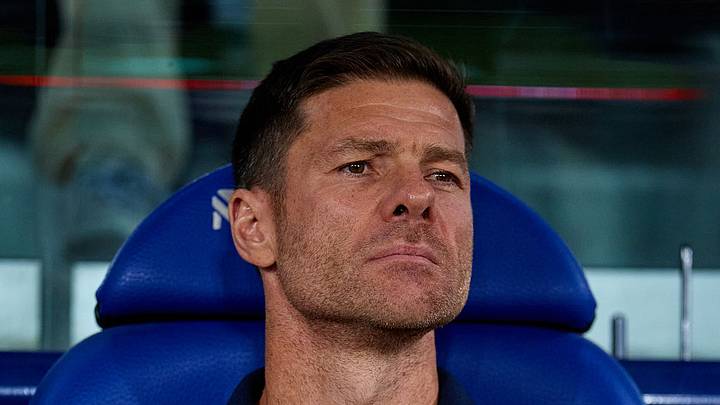
Chelsea's hiring of Xabi Alonso represents a first for the club in over a decade, with the Spaniard notably being given the title of 'manager' rather than 'head coach.'
It's a subtle distinction from every previous appointment in recent memory—and there have been plenty—as it implies Alonso's role grants him greater authority than his predecessors.
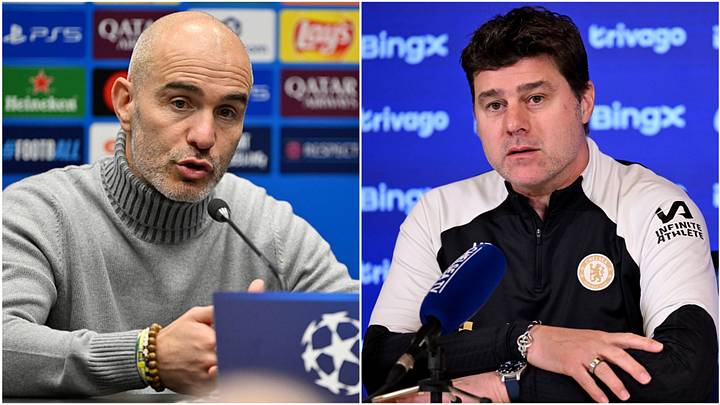
Chelsea's last 'manager' appointment was José Mourinho back in 2013. Every other individual to hold the position in the years since—Antonio Conte, Maurizio Sarri, Frank Lampard, Thomas Tuchel, Graham Potter, Mauricio Pochettino, Enzo Maresca, Liam Rosenior—was designated a head coach by the club.
This has stretched across two ownership eras, going back to the Roman Abramovich days, but seems to have become a recurring issue under BlueCo. Both Maresca and Pochettino departed Stamford Bridge after apparently falling out with the sporting leadership, with neither man seemingly content with his level of influence or the way things were being managed above him.
The fact that Alonso steps in as 'manager' from his first day in July is a telling detail, indicating he will have more direct involvement in reshaping Chelsea into a top-tier club. He has already stated that he shares the same vision as the owners and sporting leadership, and has been charged with "building the right culture"—a responsibility that extends well beyond simply coaching a group of players.
Why 'Manager' Job Title Matters
Although 'manager' is a widely used term in soccer, most people in such roles are effectively head coaches whose responsibilities revolve around training sessions, squad selection, and tactical decisions. While their views may be considered on certain matters, they are not necessarily in control of broader sporting operations within a club.
'Manager' implies a far greater degree of influence and control—in the way Sir Alex Ferguson essentially oversaw Manchester United's entire sporting operation. Arsène Wenger held a comparable level of authority at Arsenal and was arguably the last of a fading breed when he stepped down in 2018.
Mikel Arteta was originally brought in as a head coach when he arrived at Arsenal in late 2019, but the Gunners made a deliberate point of 'promoting' the Spaniard to manager just nine months later. "He was doing much more than being our head coach. So we're going to be changing his job title going forward," the club explained at the time of the change.
Chelsea Football Club is delighted to announce the appointment of Xabi Alonso as Manager of the Men's Team.
The Spaniard will begin his role on July 1, 2026, having agreed a four-year contract at Stamford Bridge.
Welcome to Chelsea, Xabi!
Manchester United continued to appoint managers following Ferguson's retirement in 2013, but Erik ten Hag was the last. Ruben Amorim was introduced as the club's first head coach in 2024, which is likely the title Michael Carrick will soon be receiving as well. Just one day before his dismissal in January, Amorim pointedly remarked: "I came here to be the manager, not to be the coach."
Across Europe, the head-coach model is far more deeply rooted—where, much like in major U.S. sports, it has long been standard practice for a general manager (typically referred to as a sporting director in soccer) to hold decision-making power at a higher level.
England has steadily moved in that direction over the past 15 years, but Arteta and Alonso stand as evidence of the traditional 'manager' role making a comeback.