
 ไทย
ไทย English
 中國人
中國人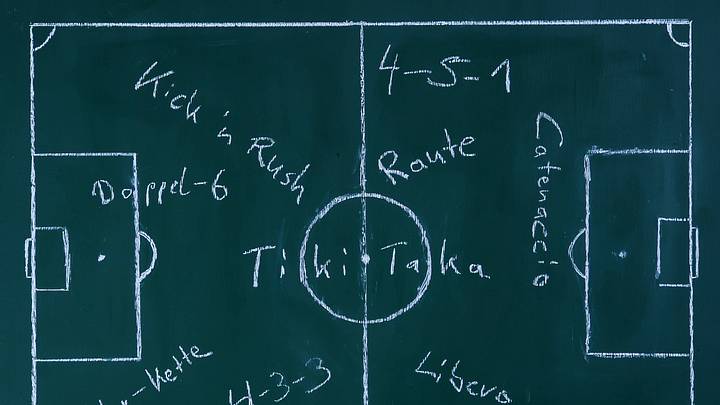
At the highest level, the numbers we refer to as "formations" represent just one element of a manager's overall tactical approach.
For supporters, however, they offer a fundamental way to grasp the concepts and strategies that coaches have been developing since modern football emerged in the late 1800s.
Soccer has always centered on maximizing individual talent, yet teamwork has consistently been the foundation of success. Managers have experimented with countless arrangements to get the best out of ten outfield players. Once-groundbreaking systems such as Herbert Chapman's 2-3-5 and W-M have largely been replaced by modern back-fours and libero roles, depending on the region.
Nowadays, formations serve as a foundation for how teams organize themselves both in and out of possession. Players are continuously shifting positions, and varying match situations require tactical adjustments.
Nevertheless, formations remain essential for bringing a manager's vision to life on the field, and discussions about which system is superior will never truly end.
Here's an overview of some of the most widely used and effective formations in soccer.