
 ไทย
ไทย English
 中國人
中國人
The aftermath of the 2026 World Cup continues to unfold, with FIFA launching a formal inquiry into Argentina's behavior throughout the competition.
Just days after FIFA president Gianni Infantino commended Argentina's "professionalism" in a leaked letter to his Argentina Football Association (AFA) counterpart, soccer's global governing body confirmed they are scrutinizing La Albiceleste over several issues both on and off the pitch.
With those implicated now given the opportunity to respond before a final decision is made, here are the potential penalties awaiting Argentina.
The Falkland Islands Banner
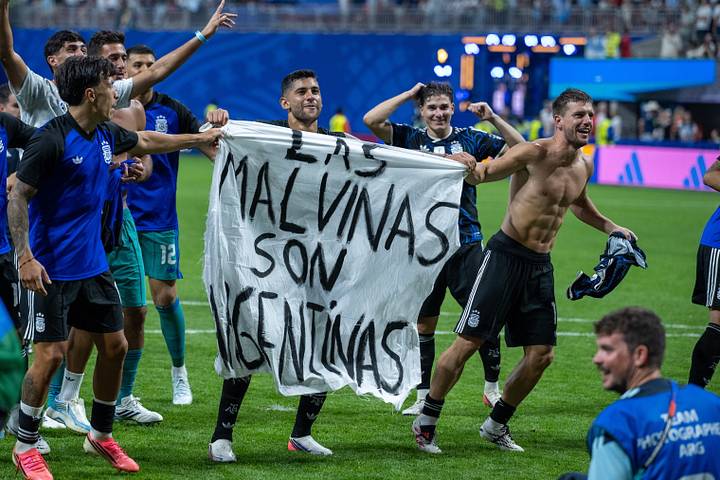
It was following the semifinal triumph over England that scrutiny on Argentina intensified.
As the squad celebrated their victory, the players unveiled a banner reading "Las Malvinas son Argentinas" (The Falklands are Argentine), referencing a group of islands of the same name situated near Argentina but administered as a British Overseas Territory. A 74-day conflict over the islands in 1982 claimed the lives of 649 Argentine and 255 British soldiers.
Regardless of the circumstances, FIFA rules forbid "using a sports event for demonstrations of a non-sporting nature," and the AFA has previously been sanctioned for a similar banner.
Prior to a friendly against Slovenia in 2014, the entire Argentina squad posed with a considerably larger banner bearing the same message, resulting in a fine of 30,000 CHF ($37,000).
The banner displayed during the recent World Cup was notably smaller and far more improvised, held by a smaller group of players—primarily Cristian Romero, Lisandro Martínez and Giovani Lo Celso. Those involved could face individual sanctions, as was the case in 2012 when South Korea's Park Jong-woo received a two-match suspension for a banner supporting the Korean occupation of the Liancourt Rocks.
More recently, following Spain's Euro 2024 final victory over England, Rodri and Álvaro Morata were handed one-game bans by UEFA for chanting "Gibraltar is Spanish" during their post-match celebrations.
World Cup Final Brawl
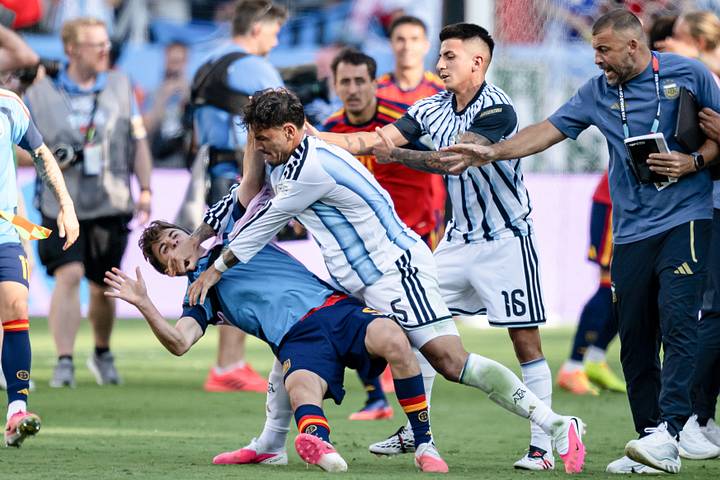
The World Cup final concluded in chaotic scenes as an on-field altercation between both sides broke out. Argentina midfielder Leandro Paredes faces the most serious charges following physical confrontations with Eric García and Gavi, who himself faces a charge of unsporting conduct.
Right back Nahuel Molina appeared to spark the incident with a clash involving Rodri, while assistant manager Roberto Ayala's attempts to explain an altercation with Dani Olmo have been dismissed by the Spain star.
Those found guilty of assault are likely to receive bans. The FIFA Disciplinary Code mandates suspensions of at least three matches for violent conduct or any form of assault, with lengthier bans possible depending on the gravity of the incident.
Argentina currently has no fixtures scheduled but is expected to feature in the next international window, which kicks off on Sept. 21 and includes a total of four matches before Oct. 6. Should sanctions be issued before then, any suspensions would take effect immediately and do not require the player in question to be part of the squad.
FIFA does hold the authority to impose worldwide bans, though none of those involved in the World Cup final brawl are anticipated to face such extreme consequences.
Other Charges
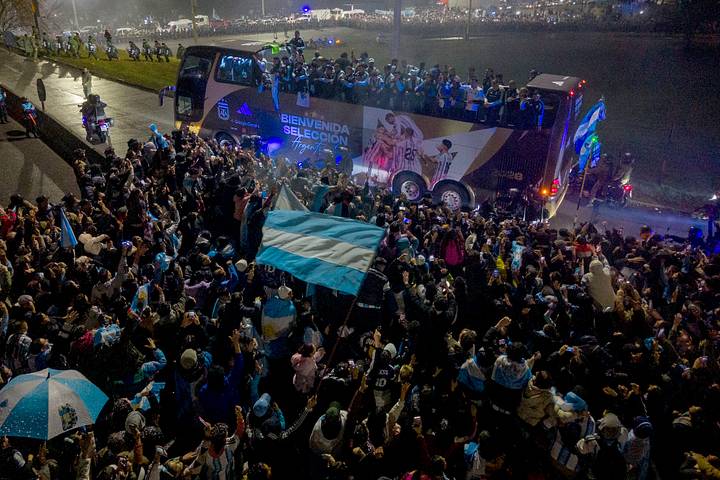
The AFA has also been charged with a number of additional rule violations. Several relate to the behavior of fans throughout the tournament, while there are also allegations of delayed kickoffs and a "failure to comply with match and security protocols."
Enable functional cookies to see this feature.
Such charges are not especially uncommon and typically result in relatively modest fines, though much will depend on the specifics of the allegations against supporters.
Associations worldwide have previously faced stadium bans, either partial or complete, for offensive chanting from fans. Some of those penalties have been suspended for a set period, serving more as a deterrent against future misconduct.