
 ไทย
ไทย English
 中國人
中國人
With fewer than two weeks remaining before the 2026 World Cup gets underway, FIFA has abruptly reversed its policy allowing fans to bring reusable water bottles into stadiums across the United States, Canada and Mexico.
The organization's earlier code of conduct had permitted fans to carry "empty, transparent, reusable plastic bottles, up to (one liter in) capacity" into World Cup host stadiums this summer, given the anticipated sweltering temperatures.
However, FIFA has now reversed course, updating its code of conduct to prohibit reusable water bottles at venues across all three host nations. The move will come as little surprise to most American fans, as bringing outside food or beverages is nearly universally prohibited at sporting events and concerts throughout the country.
The backlash centers on FIFA's decision to retract its earlier permission, particularly this close to the tournament's June 12 opening. Significant concerns have also been raised regarding the health and safety of fans attending matches during the peak of summer heat.

World Cup Previews

All 48 Teams
Bespoke Illustrations
The Reason Behind FIFA's World Cup Water Ban
As has been the case on numerous occasions in the lead-up to the largest World Cup in history, FIFA was compelled to release yet another statement defending a widely criticized ruling.
"FIFA made the decision to prohibit bottles to prevent risk and injury to players and attendees," a spokesperson told NBC News on Thursday.
"Outside bottles are already prohibited at several of these venues for safety considerations, and FIFA is applying this consideration across its tournament stadiums."
The rationale is rooted in the danger of fans potentially hurling a water bottle—even a plastic one—onto the field at a player. This is precisely why the majority of stadiums across the country ban outside drinks, along with umbrellas and any other objects that could potentially be used as a projectile.
There is a certain irony, however, given that fans are still able to purchase water bottles inside stadiums, meaning they would still have the ability to throw them at players.
Concern Mounts for High Temperatures at 2026 World Cup
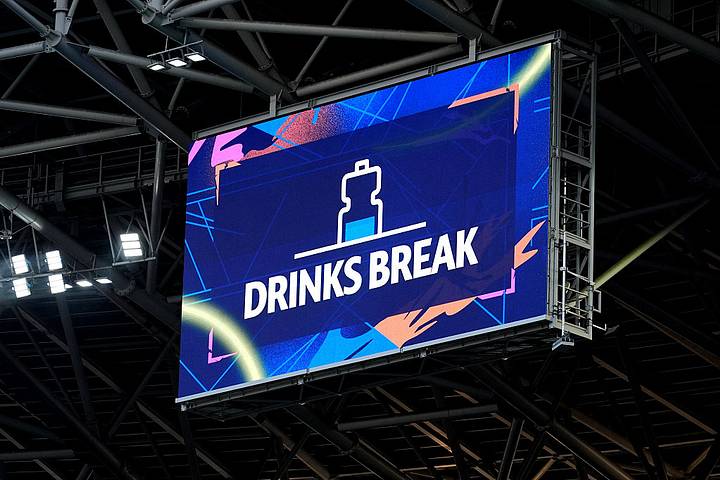
FIFA's eleventh-hour ban does little to ease longstanding concerns about the conditions both players and spectators will face across North America during the summer heat. Those competing on the field will be granted one three-minute hydration break per half to help manage the weather.
FIFA also confirmed that fan-facing resources such as cooling tents and hydration stations will be available at stadiums. However, experts argue this falls well short of what is needed, particularly now that attendees are barred from bringing in their own water bottles.
"Unless the cooling controls are really successful, I would imagine this decision [to ban water bottles in stadiums] will clearly heighten the risk of heat-related health incidents," Ollie Jay, a professor of heat and health at the University of Sydney, told BBC Sport.
Andrew Simms of the New Weather Institute added, "Is FIFA climate-trolling the game it's meant to protect?
"It is already staging the most polluting World Cup ever, sponsored by one of the world's biggest climate-polluting oil companies, and has heat safety protocols heavily criticized by world leading health experts.
"Now making it even more difficult for fans to stay safe in a competition vulnerable to global heating seems to be a reckless rejection of FIFA's duty of care."