
 ไทย
ไทย English
 中國人
中國人
Few could have blamed Lionel Messi for, as Peter Drury famously put it, "conquering his final peak" and gracefully stepping away from the game.
A united Argentina squad rallied behind the all-time great in Qatar to ensure he lifted the trophy his legendary career had long deserved. Messi delivered one of the most remarkable individual World Cup performances in 2022, guiding La Albiceleste to their first world title since Diego Maradona's iconic run in Mexico 36 years prior.
Yet the international retirement many anticipated after his crowning moment never materialized. Still performing at an extraordinarily high level despite nearing 40, it became increasingly clear that Messi would set his sights on making history in North America this summer.
And not simply because he'll be appearing at his sixth World Cup. Argentina is seeking to become just the third country in the tournament's 96-year history to successfully defend its title.
Every Nation to Win Consecutive Men's World Cups
Nation | Years |
|---|---|
Italy | 1934, 1938 |
Brazil | 1958, 1962 |
Lionel Messi's Argentina Chasing Brazil's World Cup History

Uncertainty lingered right up until Lionel Scaloni announced his final 26-man squad for the 2026 World Cup over whether Messi would feature, particularly after he appeared to sustain a hamstring injury during Inter Miami's last MLS match before the mid-season break.
While Argentina has shown encouraging signs of development without their beloved No. 10 over the past year, Scaloni was never going to omit Messi if he declared himself fit and available.
The 38-year-old is among 17 players in Scaloni's squad who were also part of the Qatar campaign, with the astute national team boss prioritizing continuity. Messi will play a central role for the defending champions, who are bidding to become the first side in 64 years to retain the World Cup.
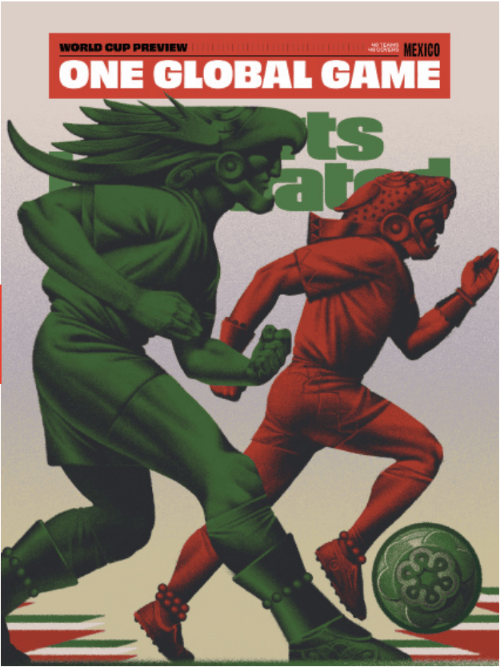
World Cup Previews

All 48 Teams
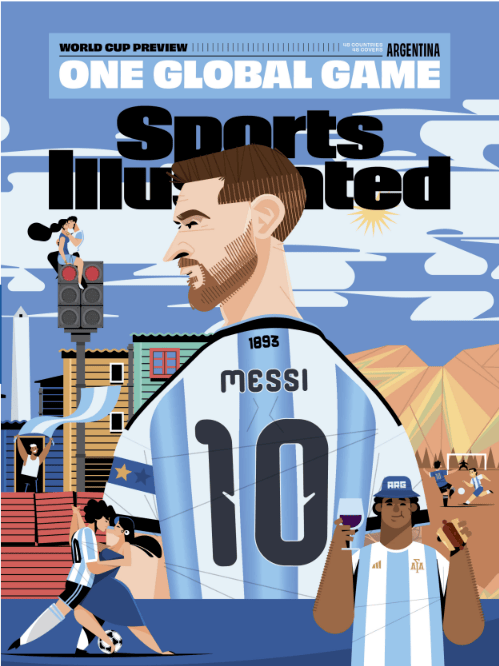
Bespoke Illustrations
Only eight nations have ever lifted the trophy since the competition's 1930 beginnings, yet Brazil, in 1962, remains the last side to claim back-to-back World Cup titles. Vittorio Pozzo's Italy also achieved consecutive triumphs in 1934 and 1938.
Argentina came close on one previous occasion, with Maradona's underwhelming holders reaching the final in 1990 before falling to a superior West Germany side in a forgettable match settled by Andreas Brehme's spot kick. The 1994 champions Brazil were then eliminated in the final by France four years on — a showpiece event overshadowed by the pre-match controversy surrounding Ronaldo.
Les Bleus claimed a second World Cup crown in 2018 and, fueled by a Kylian Mbappé hat-trick, pushed the 2022 final to a penalty shootout. Widely considered one of soccer's greatest ever matches, Argentina held firm from the spot to elevate Messi's legacy to an untouchable level.
Setting aside France's run in Qatar, defending champions have largely struggled at World Cups in the 21st century. At four of the six tournaments, they have failed to advance beyond the group stage.
Messi Fighting Champions' Curse
Year | Winner | Performance Four Years Later |
|---|---|---|
1998 | France | Group Stage Exit |
2002 | Brazil | Quarterfinal Exit |
2006 | Italy | Group Stage Exit |
2010 | Spain | Group Stage Exit |
2014 | Germany | Group Stage Exit |
2018 | France | Final |
2022 | Argentina | TBD |
How Brazil Retained the World Cup in 1962
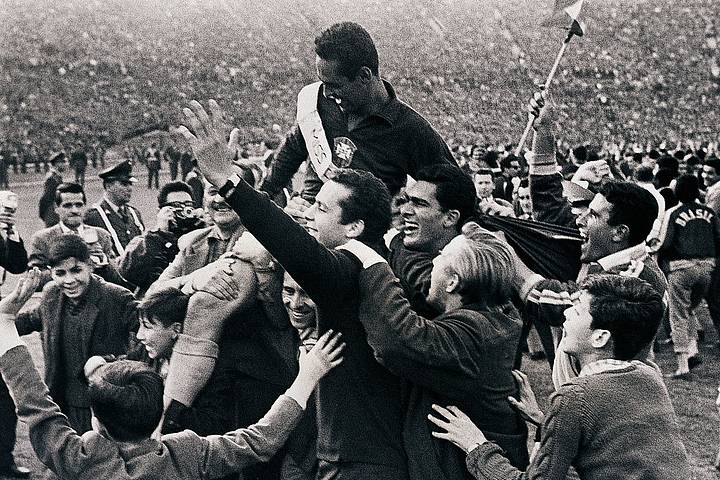
A teenage Pelé helped Brazil exorcise the ghosts of their home defeat to Uruguay when he netted six times in the knockout rounds to propel the Seleção to their first World Cup triumph in 1958.
By the time Brazil made the relatively short journey across South America to defend their crown four years later, the game had evolved considerably. The free-flowing football of the 1950s had given way to a more pragmatic era, with teams increasingly focused on neutralizing opponents through any means necessary.
Brazil wasn't drastically different from the side that had triumphed in Sweden, though a key tactical adjustment helped prevent stagnation. The attacking 4-2-4 that had proven so effective four years earlier shifted into a more asymmetric 4-3-3, providing greater solidity at the back.
A groin problem ruled Pelé out of contention, allowing the eccentric Garrincha to step into the spotlight. The winger was said to have drawn inspiration from the mid-tournament arrival of his partner, the celebrated singer Elza Soares. Garrincha shook off a slow start and assumed the mantle from the injured Pelé.
Brazil progressed through their group unbeaten before defeating England 3–1 in the quarterfinals, with Garrincha scoring twice. Host nation Chile attempted to rough up the brilliant winger in the semifinals, eventually provoking him into a retaliatory knee that earned him a red card. Before his dismissal, however, he had already scored twice in a 4–2 Brazilian win. His sending-off was later overturned by Peruvian referee Arturo Yamasaki, allowing him to take his place in the final against Czechoslovakia.
The Czechs were resolute but limited. Brazil may not have matched the flair of their Swedish adventure, yet the reigning champions still proved too strong in the final. Coming from behind, Brazil ran out comfortable 3–1 winners. Vavà etched his name in history as the first player to score in two World Cup finals.
The Seleção's dominance over the rest of the world remained clear until their dismal 1966 campaign, though few were particularly impressed with the overall standard of that tournament. Garrincha offered occasional flashes of brilliance, but the breathtaking individualism that had defined the 1950s was clearly fading.