
 ไทย
ไทย English
 中國人
中國人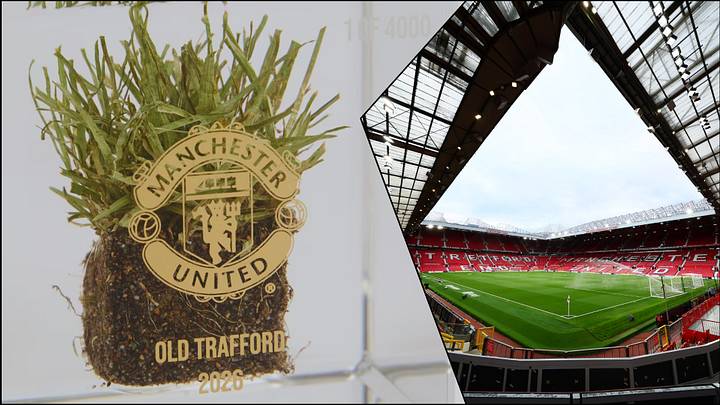
Manchester United's former boss Louis van Gaal once cautioned Erik ten Hag against taking the Old Trafford job back in the summer of 2022. "Manchester United are a commercial club, so it's a tough decision for any manager," the Dutchman remarked, reflecting on his own tenure. "He'd be better off joining a proper football club."
This perception of United as little more than a profit-generating machine for its owners has been a source of frustration for supporters ever since the Glazer family completed their leveraged buyout back in 2005.
The club's former executive Ed Woodward laid bare the ownership's true priorities during a conversation with investment analysts while he was at the club. "Performances on the pitch don't really have a significant impact on what we're able to do commercially," he stated with perhaps a little too much honesty.
Sir Jim Ratcliffe's entry as a minority co-owner in 2024, with oversight of sporting operations, was presented as a renewed emphasis on what happens on the pitch. Yet a series of controversial redundancies underscored how the bottom line will always take precedence at an institution like Manchester United — a company, after all, that trades on the New York Stock Exchange.
Ratcliffe famously claimed the club would have gone "bust at Christmas" during his first year in charge had he not stepped in so decisively. The resulting era of financial restraint has been evident in the transfer market, where tightly controlled budgets have been directed at just one area of the squad per window. In 2025, the attack was overhauled, while this summer saw the midfield reconstructed on a shoestring, leaving little room for any other significant signings.
Premier League clubs have their spending capped relative to the revenue they generate — for Champions League sides like United, expenditure is limited to 70% of annual earnings. Selling players remains the most straightforward and immediate way to boost that figure, but the Red Devils have also embarked on an unconventional initiative to keep the cash flowing.
Man Utd's Pitch-Selling Scheme

Manchester United have found a way to profit from the very grass their star players walk on. Supporters can now purchase a 2.8-inch cube of turf encased in acrylic for the rather steep price of £125 ($166). That sum also gets you a black display case featuring an image of the pitch on one of its inner panels — a handy reminder of exactly what that lump of earth in front of you actually is.
This summer marked the first time in 14 years that United have replaced their playing surface, meaning the turf on offer encapsulates one of the most forgettable stretches in the club's recent history. It has been 13 years since Sir Alex Ferguson hung up his coat, leaving United to navigate a prolonged spell of mediocrity — a decline driven in no small part by a greater appetite for revenue-generating ventures like this literal sales pitch rather than genuine sporting progress.
To be fair to United's inventive marketing department, they are far from the first club to turn their grass into gold.
Man Utd Only Following the Pack

United are by no means the pioneers when it comes to capitalizing on the passionate devotion of their fanbase. If anything, they've shown considerable restraint compared to others.
Barcelona, facing even greater financial difficulties than their English rivals, used their temporary relocation from Camp Nou as an opportunity to squeeze out as much additional income as possible. The Spanish giants weren't just flogging chunks of turf or stadium seats — they were also giving fans the chance to buy diamonds crafted from the pitch's soil.
Arsenal took a similar approach over the summer, launching a limited run of 1,886 pieces of jewelry — a nod to the year the club was founded — crafted from Emirates Stadium grass, commemorating their Premier League title-winning season.