
 ไทย
ไทย English
 中國人
中國人
The English habit of constantly discussing the weather might be somewhat justified when it comes to this weekend's World Cup round of 16 clash with Mexico in the nation's capital.
Just two days before the knockout match on Sunday at the Estadio Azteca, several reports suggested that FIFA was considering moving the kickoff six hours earlier than the scheduled time, which had been in place since early December, in order to minimize the risk of thunderstorms and flooding.
England's Football Association was reportedly left "stunned" by the news—which it learned about through journalists—while Mexico manager Javier Aguirre made his feelings crystal clear: "I don't like this at all."
It now seems the kickoff time will remain unchanged, but it has been quite a turbulent journey to reach this point.
What Time Is Mexico vs. England?
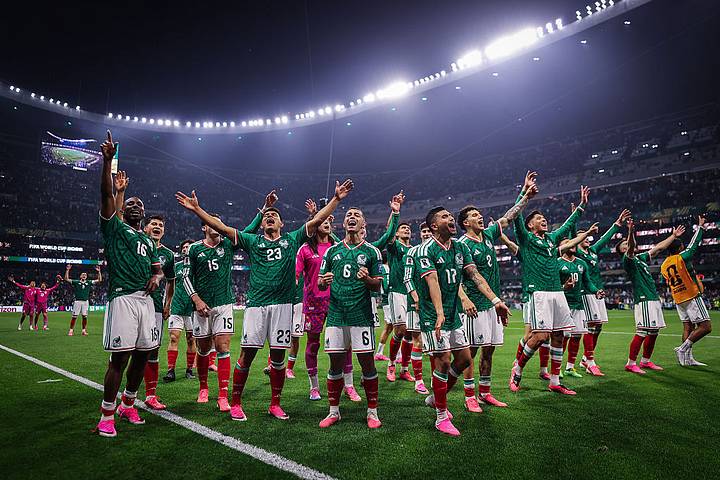
After considerable back and forth, several outlets, including BBC Sport, have confirmed that the match will proceed as originally planned at 6 p.m. local time. There had also been talk of relocating Brazil's tie with Norway in East Rutherford, N.J., scheduled for the same day due to weather concerns, but that fixture also appears to be unaffected.
While the kickoff suits prime-time American audiences on both sides of the equator, fans back in England will be frustrated by the decision. Despite Thomas Tuchel's appeal to parents nationwide and extended alcohol licensing hours in pubs, many supporters will miss a game that doesn't kick off until 1 a.m.
Why Was the Kickoff Time Going to Be Changed?
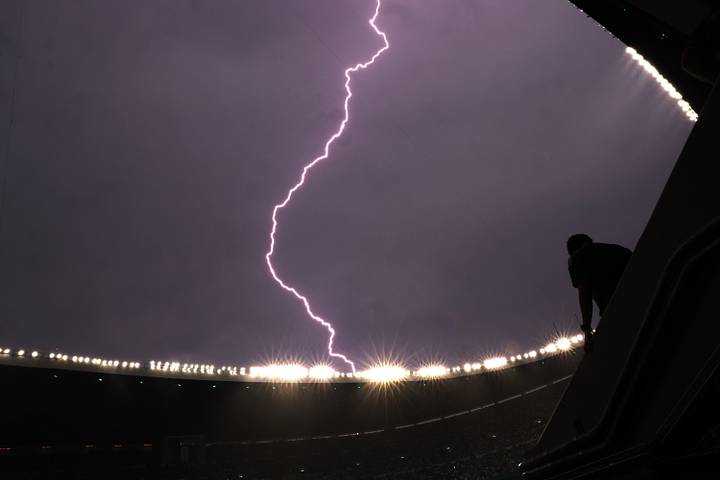
Potential weather disruption and flooding risks were cited as FIFA's primary concerns. These worries aren't entirely without merit: Mexico's most recent game against Ecuador was delayed by an hour following a thunderstorm in the southern part of Mexico City.
France's group stage match against Iraq in Philadelphia was also halted at halftime after a lightning strike was recorded nearby. FIFA must follow the protocols set by local authorities regarding electrical storms, with the standard approach so far being that no match can begin or resume within 30 minutes of a lightning strike occurring within eight miles of the venue.
Preventing unnecessary delays and protecting the safety of fans who, unlike the players, cannot retreat to a locker room at the first sign of lightning, is undoubtedly FIFA's top priority.
However, that didn't stop conspiracy theorists from alleging that the BBC, the broadcaster airing the game in England, had lobbied to have the match scheduled at a more convenient time for fans across the Atlantic. A direct statement was quickly issued: "The BBC were not involved in these discussions."
Which Team Will Benefit Most From Kickoff Decision?

England's preparations for the match had initially been overshadowed by Thomas Tuchel's candid concerns about the squad's ability to cope with the altitude of Mexico City. There is insufficient time to properly acclimatize, and due to FIFA regulations requiring each team to train at local stadiums the day before every match, the Three Lions cannot opt for the alternative strategy of arriving on the morning of the game.
Moving the fixture forward by six hours would have cut into England's preparation time and disrupted the team's matchday meal schedule. Given the very real possibility of severe traffic delays, the team bus would have needed to depart shortly after breakfast for a noon kickoff.
Yet England remain in a deeply precarious position. According to renowned Olympic long-distance running coach Steve Magness, England face "probably one of the worst arrival times for performance. It's smack dab in the middle of the 'dip' of performance with limited acclimatization."
Mexico's squad has long been comfortable in their home environment, so the rushed schedule change would have been one of the few factors working against Aguirre. Given how strongly he objected to the proposed time change—repeatedly stressing that he had not been consulted—the reversal of the decision will come as a relief.
What Will the Weather in Mexico City Be Like?
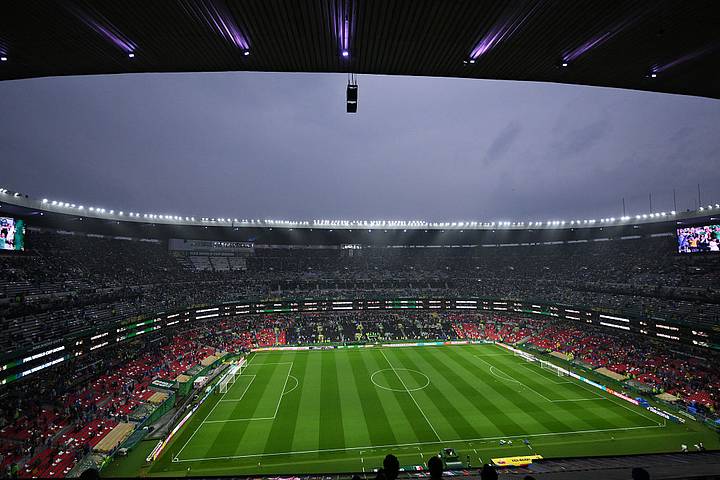
As meteorologists have demonstrated for decades, forecasting the weather is an inherently uncertain science. The complex mathematics behind constantly shifting atmospheric conditions makes rocket science seem straightforward by comparison. Nonetheless, predictions have still been offered.
Chief meteorologist at WKBW, the ABC affiliate in Buffalo, N.Y., Aaron Mentkowski told The Athletic that at the original—and now confirmed—kickoff time on Sunday, there is a "60% chance for showers and thundershowers with a temperature of 65°F (18°C)."
Should the highly probable thunderstorms materialize and a delay becomes necessary, FIFA may feel at least partially justified in its initial concerns.