
 ไทย
ไทย English
 中國人
中國人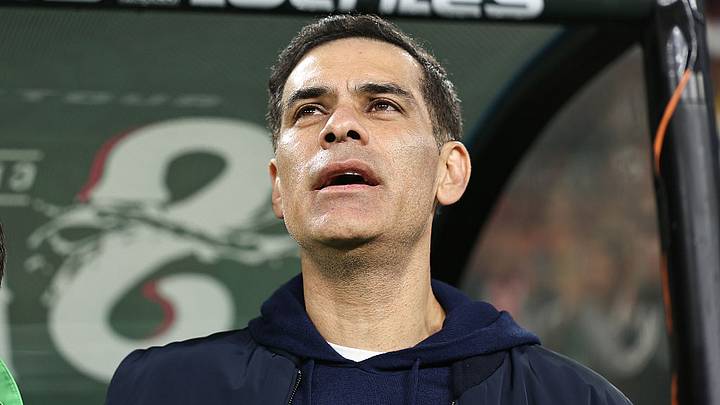
Exactly 83 days after Mexico suffered a painful 2026 World Cup exit at the hands of England in a match where they dominated large portions of play, the Rafael Márquez era as El Tri's head coach kicked off with an equally impressive performance against one of South America's top sides.
Mexico settled for a 1–1 draw with Colombia in Baltimore on Saturday evening to open Márquez's reign.
El Tri bounced back from an early setback courtesy of Luis Suárez, showing resilience and outperforming their opponents for most of the night, particularly before the wave of substitutions late in the second half. Gilberto Mora was the standout performer, leveling for Mexico with a stunning strike to open his international account.
A win was well within El Tri's reach, but squandered opportunities—including three efforts that struck the woodwork—ultimately prevented Márquez from celebrating a victorious debut.
"I wish we could play like Barcelona," Márquez admitted ahead of the match. "But we don't have the raw material, we have to adapt and we have very little time."
Márquez's Mexico wasn't Barcelona, but in the opening game of a new chapter, El Tri proved their remarkable 2026 World Cup campaign was no accident and that there are genuine grounds for optimism as the 2030 cycle gets underway.
Mexico Found Its Identity This Summer, Márquez Is Sticking With It
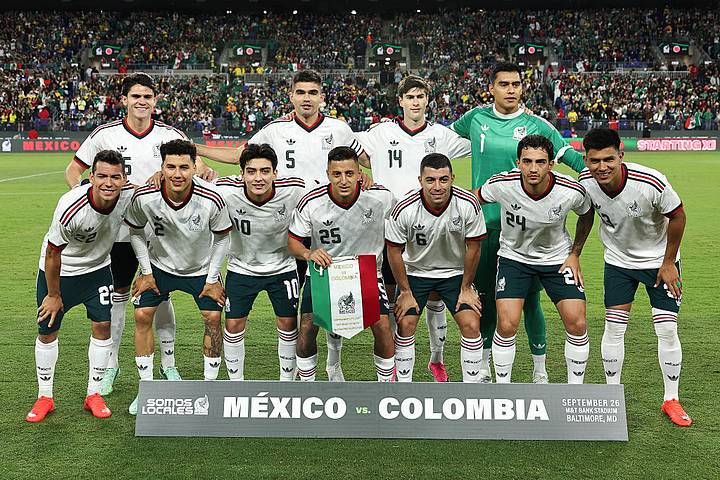
On the eve of Saturday's fixture, Márquez was keen to emphasize that he operates differently from his predecessor. Yet against Colombia, Mexico looked very much like the side that turned heads during the final stages of their 2026 World Cup run.
After years of unpredictability in which no one knew which version of El Tri would take the field, Mexico appeared to discover their style and identity during the second half of their final group stage match against Czechia. Since then, El Tri has showcased a cohesive brand of football that Márquez clearly intends to continue developing.
Seven players who started both of El Tri's knockout matches this summer were selected against Colombia, and that figure would likely have been higher were it not for injury concerns.
Confidently building from the back, attacking through sharp combinations between midfielders and forwards, and aggressively pressing to recover possession quickly in advanced areas—these are the defining characteristics of El Tri's now well-established playing style.
Despite conceding early, Mexico was clearly superior to one of the finest national teams in the Western Hemisphere—a side that had dismantled El Tri just under a year ago with a commanding 4–0 victory.
Márquez will be frustrated by the final scoreline, but his choice to build on what worked this summer already looks astute, particularly given his deliberate effort to spotlight the players who will undoubtedly lead El Tri's 2030 cycle.
The Keys of Márquez's El Tri Belong to Mexico's New No. 10
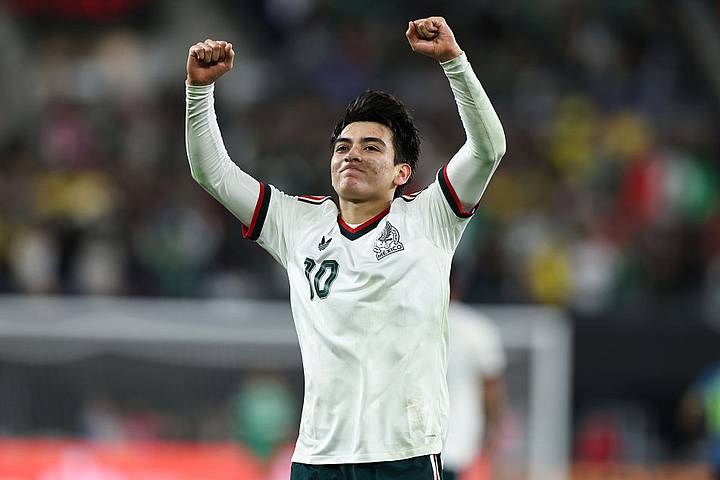
Raul Rángel, Johan Vásquez, Erik Lira and Roberto Alvarado remain Mexico's backbone. But at the dawn of a new era, Márquez has entrusted the keys of El Tri to its new No. 10: Gilberto Mora.
As much as people attempt to manage expectations and reduce the burden placed on a player still just three weeks past his 18th birthday, Mora seems to embrace it all—and Márquez appears fully aware of that.
It's only fitting that Mora scored the first goal of the Márquez era, simultaneously becoming the youngest scorer in El Tri's history—and what a goal it was. In his debut wearing the iconic shirt number, Mora was given the freedom to roam across the final third and was undeniably the best player on the field.
His name is Gilberto, his last name is Mora! 🤩
Morita scores his first goal in the colors of México and becomes the youngest player ever to score for the National Team! 🔥 pic.twitter.com/3ZzfwBh2V9
Unlike Aguirre, Márquez relieved Mora of significant defensive duties and deployed him as a genuine No. 10. Perhaps the memory of Elliot Anderson dispossessing him in the buildup to England's second goal this summer remains vivid for Márquez, as the teenager rarely—if ever—dropped deep to receive the ball inside his own half with his back to goal.
Instead, Márquez trusted his defenders to play incisive passes to bypass Colombia's press. Once Mexico entered the opposition's half, it was Mora who took control, consistently finding space between the lines to receive, look up and create chances.
It's early days, but Márquez has made Mora the centerpiece of his attack. Players consistently look to feed him the ball, and he more often than not makes the right call.
It's simply impossible not to feel excited by what Mora continues to produce at such a tender age. He is the most gifted talent Mexico has developed in decades, and it took just one match for it to become abundantly clear that he will be the cornerstone of the new manager's tenure.
Encouraging Start for Rafa Márquez but the Next Task Is Clear
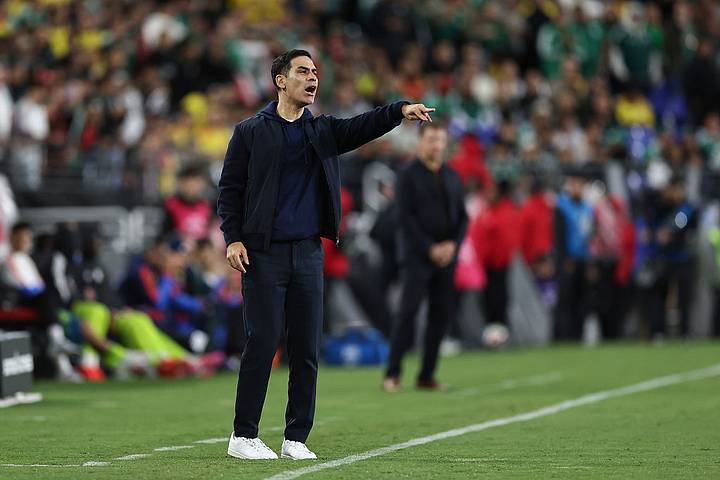
It was a largely positive beginning to the Márquez era, with Mexico outperforming Colombia in nearly every major statistical category and ending a three-game losing streak against the South Americans stretching back to 2010.
Concerns about Mexico slipping back into their old, uninspiring ways following a home World Cup have been put to rest. The core group is clearly defined, and Márquez even handed minutes to players like Jeremy Márquez and debutant Denzell García, both of whom are expected to play a significant role over the next four years.
While avoiding defeat was important, Márquez and El Tri will undoubtedly feel that Saturday's match was there to be won.
A victory against Peru on Tuesday is essential, especially given how convincingly the USMNT performed earlier on Saturday. Márquez needs a strong result to build momentum ahead of the highly anticipated clash against Mauricio Pochettino's Stars and Stripes in a week's time.
Full-time in Baltimore! ⚽
A stunning goal from Gilberto Mora earns us a draw against Colombia as we kick off the road to 2030.
This is just the beginning, and there's a long way to go! pic.twitter.com/s2n6kKnH9z
Failing to beat Peru and then losing to the USMNT could prove damaging for Márquez, as the current wave of positivity would almost certainly give way to criticism.
"Unfortunately, we didn't do anything differently compared to other World Cup campaigns," Márquez said before the match, referencing Mexico's repeated failure to advance beyond the round of 16.
Márquez is not satisfied with simply matching what Mexico accomplished at the 2026 World Cup—he wants his tenure to ultimately deliver more. But with the 2030 World Cup still four years away, accumulating positive results early is crucial to sustaining momentum and preventing unwanted noise from emerging in the early stages of his reign.