
 ไทย
ไทย English
 中國人
中國人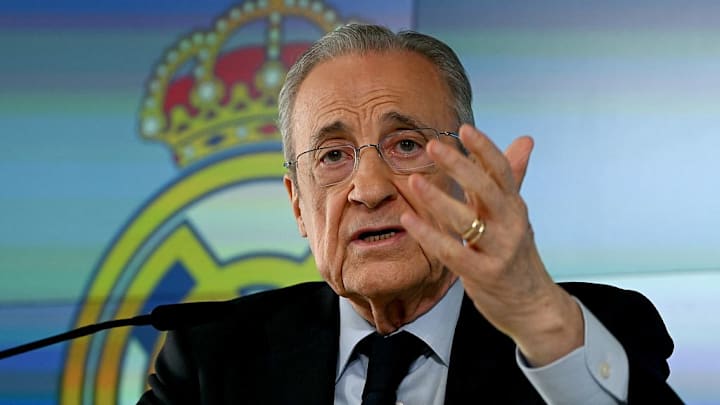
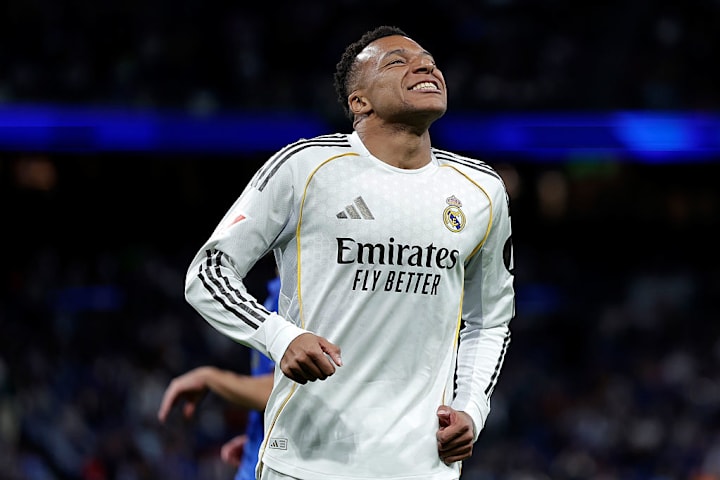
Real Madrid's 2–0 loss to Barcelona in last weekend's Clásico at Camp Nou handed Barça the La Liga title and marked a rare low point for Los Blancos, who have now endured two straight seasons without lifting major silverware for the first time in two decades.
In the wake of that result, attention has swiftly turned to the club's leadership, with president Florentino Pérez announcing presidential elections after choosing to seek a fresh mandate from the club's membership. The move comes amid heightened scrutiny following a campaign that fell well short of Madrid's typically high expectations.
Pérez has been at the helm of Real Madrid since 2000, apart from a brief three-year spell after stepping down in 2006, and has gone unchallenged in the club's last five elections. However, with pressure building and questions mounting after consecutive trophy-free seasons, the situation this time around could look considerably different.
With elections for both the presidency and board of directors now officially underway, the spotlight falls on how the process operates—and who might step forward to challenge Pérez's long-standing grip on power at the Bernabéu.
Real Madrid Presidential Elections Explained
Held typically every four years, Real Madrid's presidential elections are governed by a comprehensive and strictly enforced set of rules, with any prospective candidate required to meet a number of stringent conditions in order to qualify.
Once the process is formally triggered, those wishing to stand are given a narrow submission window—usually around 10 days—to file their candidacy documents. These submissions are then reviewed by the club's electoral commission, and if approved, are followed by a brief campaign period of roughly two weeks before members head to the polls. In cases where only one valid candidate comes forward, the Electoral Board may declare them elected without holding a vote.
According to the most recent General Assembly figures, Real Madrid had 95,612 registered members as of 2024.
The club's current statutes, last revised in 2012, outline clear eligibility criteria. Candidates must hold Spanish nationality, have been a club member for a minimum of 20 years, and provide a personal financial guarantee equivalent to 15% of the club's annual budget.
In practice, the timeline can move rapidly. The 2021 election process, for instance, was wrapped up in just under two weeks from beginning to end. Once the board formally launches proceedings and the Electoral Board publishes its guidelines, candidates are given approximately 10 days to submit their bids, with an uncontested race resulting in the automatic appointment of the incumbent.
For the current cycle, prospective candidates have until May 23 to submit their applications, after which the electoral commission will evaluate them, leading into a brief campaign phase and, if required, a vote among the club's membership.
Real Madrid Presidential Candidates
While Pérez has run unopposed in recent election cycles, he is expected to face at least some degree of opposition for the presidency this time around.
Although no official challenger has yet formally entered the race, businessman and Real Madrid member Enrique Riquelme—previously named by Pérez himself as a potential rival—has signalled that he is weighing his options, saying he will "decide in the next few days whether to accept the challenge."
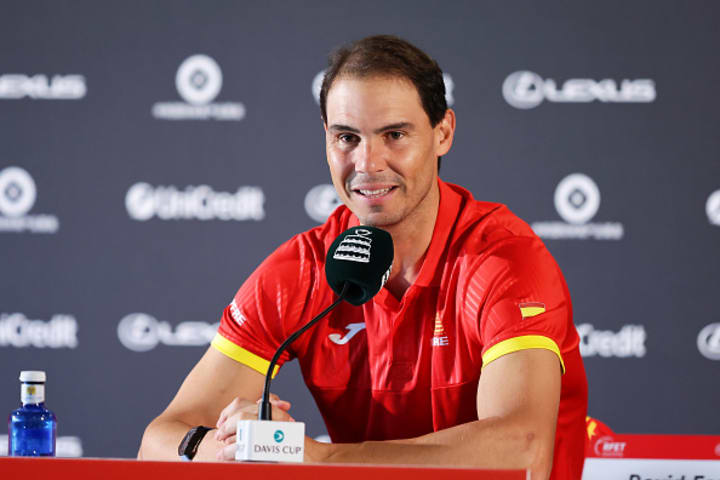
Meanwhile, tennis legend Rafael Nadal has moved to quash speculation linking him to a potential bid for the role. Reports suggesting the 22-time Grand Slam champion could throw his hat into the ring following Pérez's announcement have been firmly denied, despite Nadal holding honorary club membership and having previously expressed admiration for the prospect of one day succeeding Pérez.
For now, uncertainty persists over whether a genuine contest will take shape, but the prospect of a challenge to Pérez's enduring dominance at the Bernabéu can no longer be dismissed.