
 ไทย
ไทย English
 中國人
中國人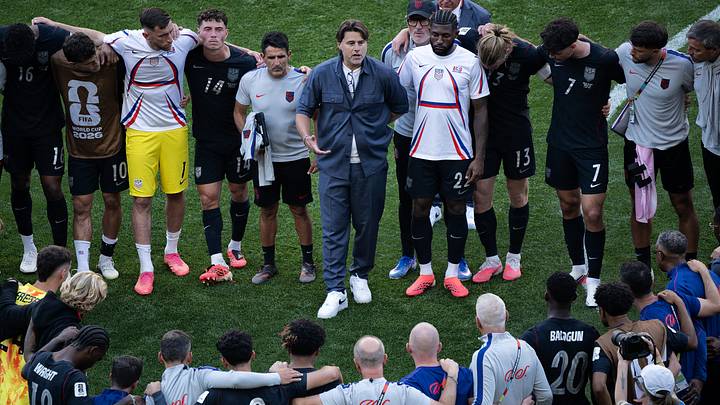
The U.S. men's national team will be desperate to erase Monday night from memory.
The 2026 World Cup co-host was thoroughly embarrassed in the round of 16, suffering a 4–1 defeat to Belgium in Seattle — a brutal reality check suggesting their impressive tournament run had been little more than an illusion.
The lone highlight of the night was a free kick converted by midfielder Malik Tillman in the 31st minute, though Belgium quickly erased that joy just 61 seconds later with an immediate response.
The Americans will now watch from home, left to wonder how such a promising start could unravel so completely. Meanwhile, Belgium marches on, set to face a formidable Spanish side on Friday in Los Angeles.
Here are four key takeaways from the one-sided defeat.
Afraid and Caught Off Guard
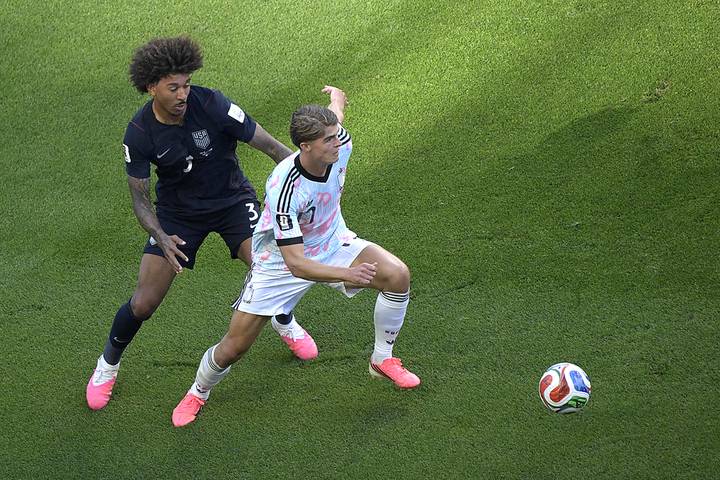
When Belgium broke the deadlock in just the ninth minute, it came as little surprise. If anything, it had already felt like it was a long time coming.
From the opening whistle, the European powerhouse was relentlessly pressing the Americans. Their first major chance arrived within just 30 seconds, requiring a stunning intervention from USMNT goalkeeper Matt Freese, who produced arguably the finest save of his international career.
The Belgians then peppered Freese with four additional shots before finally finding the net, as striker Charles De Ketelaere poked home a driven ball across the box. It marked the first time the U.S. had fallen behind during this World Cup.
Belgium continued to dominate in the attacking third; the U.S. couldn't maintain possession long enough to string together any meaningful play. Within just 15 minutes, the visitors had registered eight shots to the hosts' zero, foreshadowing a long and painful evening in Seattle.
Mauricio Pochettino's men were hesitant, disorganized and reactive. They were second to every ball, particularly inside their own defensive box. Belgium set a tempo that the Americans simply couldn't match, let alone surpass.
WIN FIFA WORLD CUP 2026™ FINAL TICKETS & OTHER PRIZES

The USMNT was a shadow of the team that had performed so impressively all summer. The co-hosts had built their identity on aggressive pressing, clinical organization and scoring early. In fact, the U.S. entered the match as the tournament's top-scoring nation (8) in the first half, netting within the opening 11 minutes in three of their four previous matches.
None of that confidence was on display for the USMNT on Monday, particularly in the first half. Instead, they resembled their former selves — the timid prey of a European predator — the same side that was thrashed 5–2 by Belgium just four months earlier in an international friendly.
Sure, this was the USMNT's first genuine test of the tournament, but many had believed the U.S. had moved past being that vulnerable side from March — that they would take the field with the assurance and composure that had defined them all summer.
Perhaps this showing against Belgium was always going to happen. Perhaps the U.S. should never have expected to go toe-to-toe with a top-10 global power.
Defensive Disaster
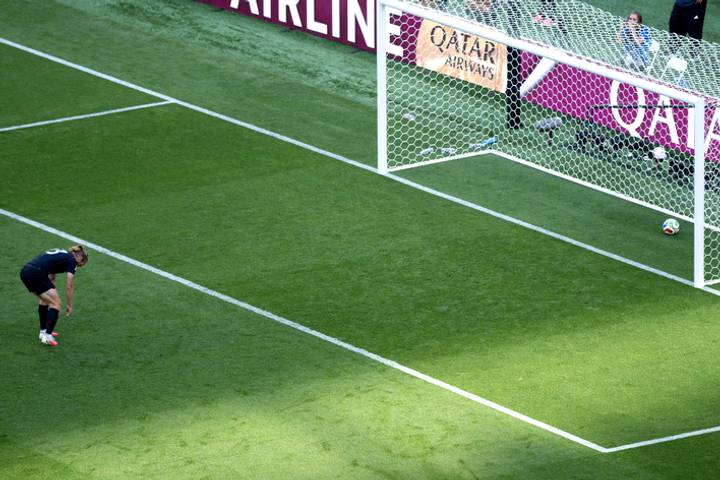
Veteran captain Tim Ream had been solid throughout the summer alongside fellow center back Chris Richards; however, Monday night was when his limitations were fully exposed. The 38-year-old was a step behind in the box, particularly on Belgium's opening goal, when he was caught watching the ball. He completely lost track of his man, De Ketelaere, who calmly struck the ball just yards from goal with zero pressure applied.
On De Ketelaere's second goal in the 33rd minute, Ream simply couldn't cope with the 25-year-old's physicality. The Belgian striker easily overpowered the veteran center back to head home another cross.
Ream wasn't the only one at fault defensively, though. The entire USMNT fell short in that area, and it began with sloppiness. Players failed to properly track their assignments and struggled to clear the ball from the box. Two of Belgium's four goals stemmed from poorly-cleared balls.
Freese made a costly error he won't soon forget, one that led to Belgium's third of the night and effectively sealed the result. He correctly came off his line to deal with a bouncing ball; however, as De Ketelaere bore down on him, Freese hesitated, allowing De Ketelaere to strip him of possession and lay the ball off to teammate Hans Vanaken, who hammered it into the net in the 57th minute.
Richards then capped off the dreadful night by gifting the ball directly to Vanaken. It ricocheted to veteran star Romelu Lukaku, who buried Belgium's fourth in stoppage time to complete a thoroughly humiliating evening.
Difference-Makers Prove Utterly Indifferent
Perhaps the defining moment of the collapse came when U.S. Soccer's marquee player — the celebrated "Captain America" — Christian Pulisic attempted to strike the ball in the 54th minute, only to connect with his Belgian opponent's leg instead. The awkward incident left Pulisic in considerable pain, forcing him off the pitch just minutes later.
Pulisic was seen with his head in his hands for much of the remaining match. The USMNT needed its star man to rise to the occasion and be the decisive force, and he fell short. Even before his early exit, the winger struggled to make any offensive impact. He registered just one touch inside Belgium's box and failed to get a single shot away.
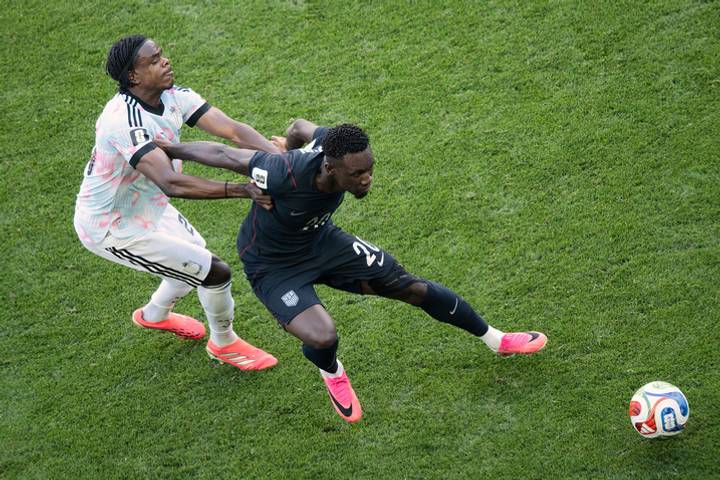
Likewise, rising star Folarin Balogun endured a night to forget up front. The striker had been expected to deliver something special on Monday, particularly following the dramatic off-field controversy that had allowed him to remarkably feature in the round of 16 at all.
Much of Balogun's underwhelming display can be attributed to the team's overall lack of possession and attacking momentum; however, the 25-year-old has a reputation for converting even the slimmest of opportunities, something he failed to demonstrate in Seattle. He managed just three shots all night, with only one finding the target.
World Cup Success or Failure for the USMNT?
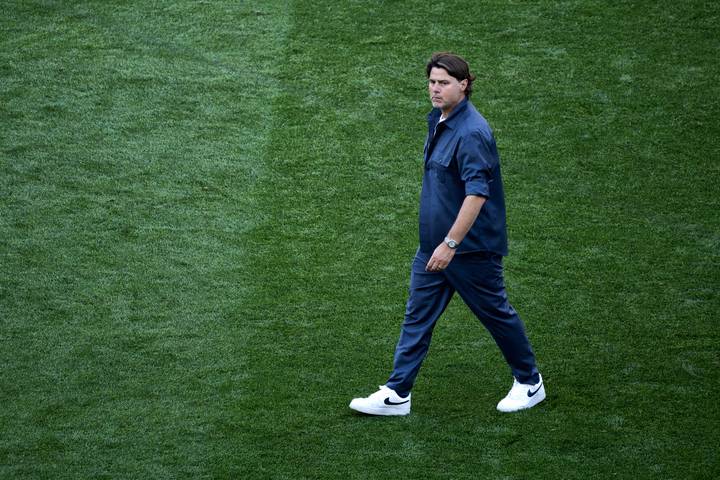
Before the World Cup began, reaching the round of 16 might have been considered a satisfactory outcome. After all, it has become the USMNT's most familiar stopping point at soccer's grandest stage.
Yet the Americans revealed a version of themselves this summer that was more tenacious, talented and capable than ever before. They made history in the group stage with back-to-back dominant victories to claim the Group D title with a game to spare, before dismantling a resilient Bosnia and Herzegovina side 2–0 in the round of 32 to record their first knockout stage victory in over two decades. Pochettino's team just seemed... different — firing on all cylinders and primed for a deep run. Suddenly, Pochettino's talk of a semifinal finish didn't seem so far-fetched.
Enable functional cookies to see this feature.
Monday's defeat was a harsh wake-up call, not only because it shattered those very real World Cup aspirations, but also because it evoked memories of a previous incarnation of the U.S. — one that simply lacked the quality to compete with the world's elite.
It was a deflating loss precisely because of how sharply it contradicted everything the USMNT had stood for this summer and everything the team had already accomplished. The sting of this failure will linger for a long time to come.