
 ไทย
ไทย English
 中國人
中國人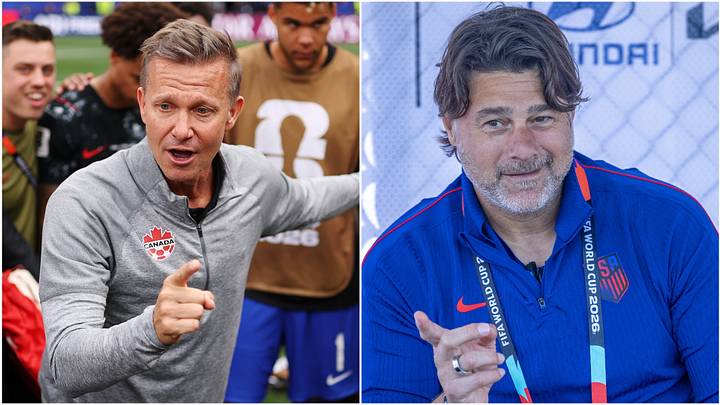
Canadian men's national team head coach Jesse Marsch has moved on from any thoughts about the U.S. job. While he once pursued the USMNT position, that role ultimately went to Mauricio Pochettino. Marsch is now fully committed to Canada's remarkable ascent, as the USMNT settles into life under Pochettino's guidance.
Former USMNT standout Clint Dempsey has taken shots at Marsch, a Wisconsin-born coach, for his enthusiastic embrace of the Canadian badge. Meanwhile, USMNT legend and goalkeeper Tim Howard showed understanding, backing Marsch's wholehearted adoption of the Canadian team and its culture. Critics, particularly from the U.K., have labeled the Canadian boss's behavior—especially his very public post-game speeches and sideline celebrations—as "performative."
Celebrated as a national hero in Canada for guiding the team into the world's top 30, reaching the 2024 Copa América semifinals, and now becoming just the second American coach to steer a side to a World Cup knockout stage victory, Marsch continues to draw skepticism and criticism back home in the U.S. in a way few other coaches do.
Canada manager Jesse Marsch gives a post-victory speech to his players after clinching the Round of 16 at the 2026 FIFA World Cup 🇨🇦 pic.twitter.com/CPGgsH4Ua6
Following Canada's round of 32 victory over South Africa, a journalist brought up the USMNT in a question to Marsch—one he swiftly brushed aside.
"I don't really care," Marsch said. "I am American, and I'm proud to be American, but I do think that the ideals and the characteristics of Canadian people fit me really well."
Marsch Came Close to U.S. Role

Back in 2022, Marsch nearly landed the USMNT job. Following his exit from Leeds, he had agreed to take the reins at Leicester City, only to pull out at the eleventh hour after believing the USMNT position was his to take.
U.S. Soccer ultimately reversed course and brought Gregg Berhalter back, who then oversaw a disappointing group-stage elimination at the 2024 Copa América, while Marsch guided Canada on a deep tournament run.
Marsch took the helm of Canada in May 2024, and later that same year, the USMNT secured the highly sought-after Mauricio Pochettino. Since that point, Canada has won the only head-to-head clash between the two nations and has climbed the FIFA world rankings.
Would Marsch Have Fit Better Than Pochettino?
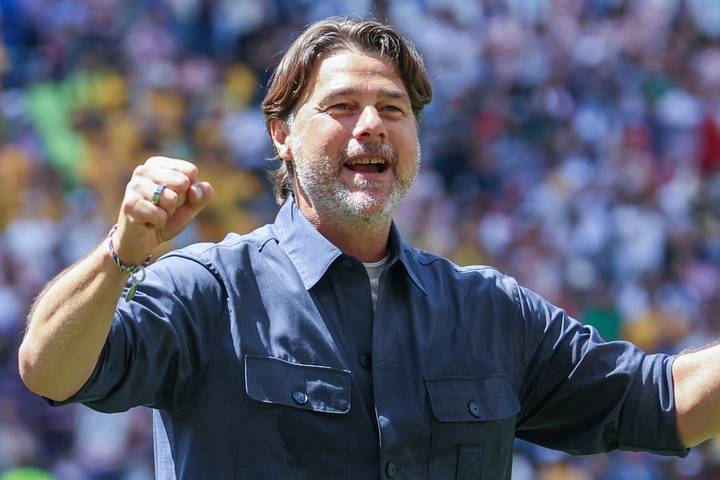
Speculation is rarely productive, but there is an argument to be made that the USMNT might have been better served by Marsch—not only for the 2026 World Cup but for the longer term. Marsch has already pledged his commitment to Canada's 2030 cycle, while Pochettino has signaled a desire to return to club management and remains undecided about his future with the national team.
In certain respects, Marsch does lean into the theatrical. However, his energetic and passionate approach resonates with North American players and the underdog mindset. With Canada, despite the criticism he has faced, he has consistently pressed the right buttons to elevate a group of players well beyond what they had previously achieved.
Much of that success stemmed from a deliberate broadening of the player pool and carefully balancing different skill sets within his high-pressing, high-tempo system. Results arrived quickly, as players bought into the philosophy.
Under Pochettino, meaningful results didn't materialize until the World Cup itself—which was always the goal of the project—but they came after turbulent periods, inconsistent commitment from key players, and more than 80 call-ups across a grueling stretch of friendlies.
Would Marsch's methods have drawn greater dedication from the likes of Christian Pulisic and other top talents? Quite possibly. His high-tempo approach would likely have suited athletic wingbacks like Sergiño Dest and Antonee Robinson, much as Alphonso Davies and Alistair Johnston have flourished under Marsch with Canada when fit.
Given the depth of the USMNT's player pool, Marsch's squad would probably have looked quite different—built around players suited to his demanding system and those who respond to his hands-on managerial style, which includes regular contact with players outside of international camp windows.
WIN FIFA WORLD CUP 2026™ FINAL TICKETS & OTHER PRIZES

Tactician vs. Emotional Leader

In many respects, Pochettino is the tactical mastermind, while Marsch operates as an emotional motivator. With Canada, that translated into instilling confidence and a bold mentality in a group of players he described as sometimes being "too nice" and "too Canadian," whereas with the USMNT, it would likely have meant channeling American identity in a more organic way than Argentine-raised Pochettino might be capable of.
"There are people who like to say it's performative to meet [with my players] on the pitch, and frankly, I don't give a s— what people have to say," Marsch, 52, said of his philosophy. "All I care about is working with the teams I work with, and the players I work with, and helping them be the best they can be. And anyone who's worked on the inside with me would appreciate that that is always my focus: how to get the best out of people, and provide an environment where they can go for it in every way, and show who they are."
SI answers is our AI answer engine trained on human-created content.
This summer, Marsch has etched his name in history alongside Canada and is ready to push for more when Les Rouges face sixth-ranked Morocco in the round of 16. His squad is more united than ever, and Marsch has forged a deep connection with Canadians from one end of the country to the other.
While some may still harbor hopes of bringing him to the USMNT in the future—particularly if Pochettino departs—it would require Marsch to go back on his word. He has openly stated that he has "no interest" in coaching his home nation.