
 ไทย
ไทย English
 中國人
中國人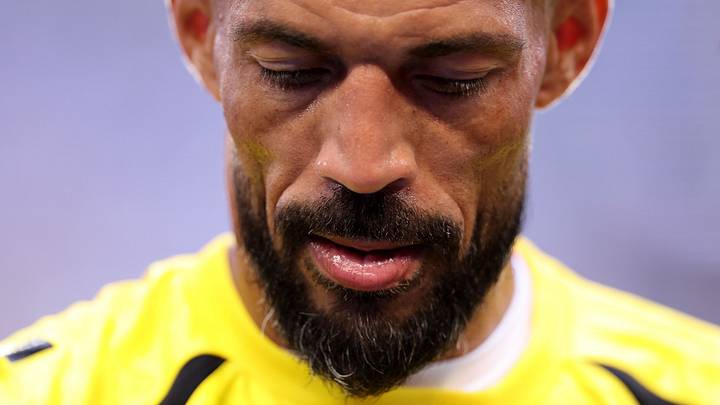
They say that celebrity is a mask that eats into the face. Vozinha feels like he has been swallowed whole.
The breakout star of the 2026 World Cup is barely three months on from his rise to global prominence and has already begun to soberly reckon with the price of his newfound fame.
"Many people dream of being famous and living in the public eye, but they only see the glamorous side of it," the 40-year-old Cabo Verde goalkeeper admitted in a remarkably frank interview with The Observer. "To be honest, if I had to choose between the life I have now and the life I had before, I'd go back to the one I had before."
Given the picture he has painted of his new existence, it's hard to fault him for feeling that way.
How Vozinha's Fame Was Ignited by a Gimmick
Not tonight. pic.twitter.com/VM2R39Kb6q
It's easy to overlook the fact that Vozinha was already a national hero well before the World Cup got underway. The seasoned goalkeeper's international career stretches back to 2012 and covers every major tournament Cabo Verde has ever qualified for. Vozinha's former teammate Fernando Neves told The Guardian ahead of the competition: "For me he's the best goalkeeper in Cape Verde's history." Yet he remained a purely local figure.
Even among the 530,000 residents spread thinly across the small island chain off the West African coast, Vozinha was perhaps better known to some as the volleyball coach at annual summer beach camps. As the Reis Institute would reluctantly announce on social media, their instructor would be absent this summer — "He's off to handle a little commitment called the FIFA World Cup."
Cabo Verde began that commitment with a stunning 0–0 draw against eventual champions Spain, with their goalkeeper producing seven crucial saves. Suddenly, the image of this 40-year-old's emotive face, tears running through deep lines like water trickling down a mahogany dresser, was circulating across every corner of the world. Within hours, his Instagram following surged from 56,000 to over 14 million.
As it turned out, this social media explosion was orchestrated by Brazilian broadcaster CazéTV, which urged its live stream viewers to follow Vozinha as a tribute to his display. "A member of the team's catering staff came up to me and told me I had a billion followers," Vozinha recalled. "I had no idea what he meant; I thought he was joking, but he kept insisting. Later, I went to do some interviews in the mixed zone, and a CazéTV journalist asked me if I knew what was going on. She showed me her phone and that's when I saw I had more than a million followers."
"I decided to switch off my Instagram notifications so I wouldn't be tempted to keep checking who was following me," the goalkeeper added.
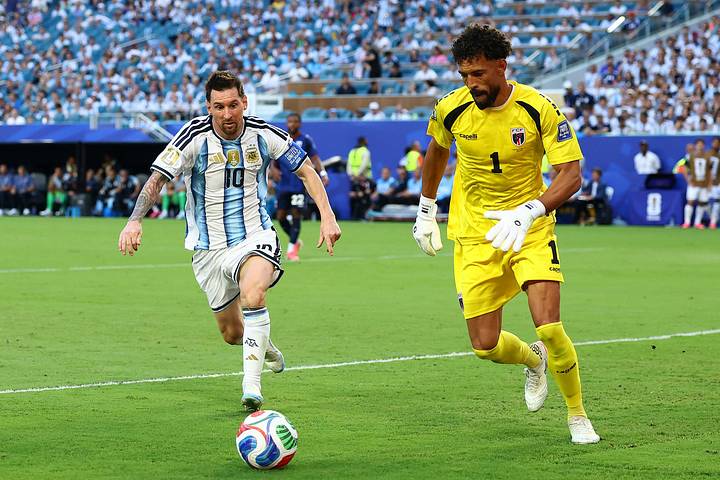
Beyond keeping Lamine Yamal & Co. at bay, the spark of Vozinha's fame was fuelled by the deeply human nature of his story. After taking a moment to redirect attention to his deserving teammates, Vozinha disclosed that his mother, Ana Candida Evora, had been denied a visa after failing to cover the $15,000 bond required just to be considered for entry into the United States.
U.S. House Democratic leader Hakeem Jeffries, perhaps sensing an easy political opportunity, waived the fee. "No mother should miss the chance to see her child make history," he declared — in time for Candida Evora to witness Vozinha and his teammates earn a draw against Uruguay.
Cabo Verde kept a second clean sheet against Saudi Arabia to advance to the round of 32, where Vozinha delivered his finest performance of the tournament. He kept Lionel Messi at bay as the World Cup newcomers pushed Argentina all the way to extra time. Before the competition had even concluded, Gianni Infantino seized on Vozinha's surge in popularity to name the goalkeeper an official 'FIFA Legend.'
A wave of commercial opportunities came flooding in, while numerous clubs were keen to lure him away from the Portuguese second division. The new goalkeeper for storied Chilean club Colo Colo even earned a nomination in the Ballon d'Or vote for best goalkeeper of the year. Yet it has all come at an immeasurable personal cost.
Ignoring the Human Side of Soccer
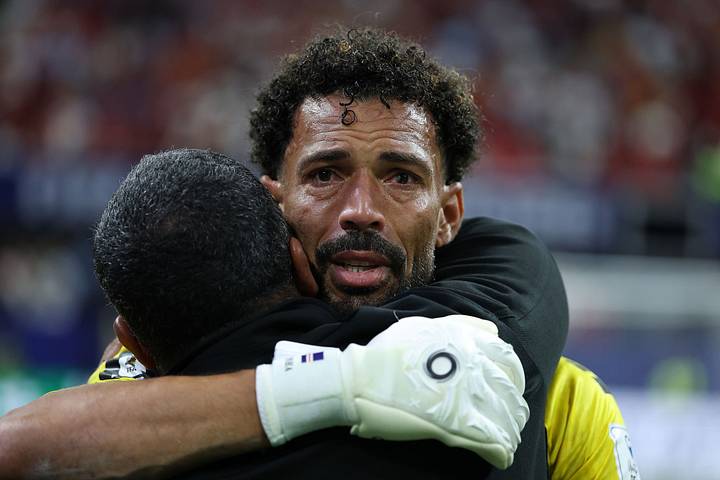
The legendary former Manchester United manager Sir Alex Ferguson often chided those who would "overlook the reality that it [this sport] is played by creatures of flesh and blood and feeling." Vozinha's life after the World Cup serves as a powerful reminder of that truth.
"I've lost my peace and tranquillity," he lamented. "I no longer have any privacy, or at least far less than before. Now when I go out, when I go to a restaurant, there's always someone who wants a photo or an autograph. Or worse, someone is filming me. That's what has changed most in my life, and I don't think there's anything I can do about it."
The relentless grip of celebrity has greedily extended beyond Vozinha himself. His parents are inundated with requests from overzealous fans every single day. "I'm not there, so I can't help them," he sighed. "They have to learn to live with it and set their own boundaries."
An Ambassador With Principles
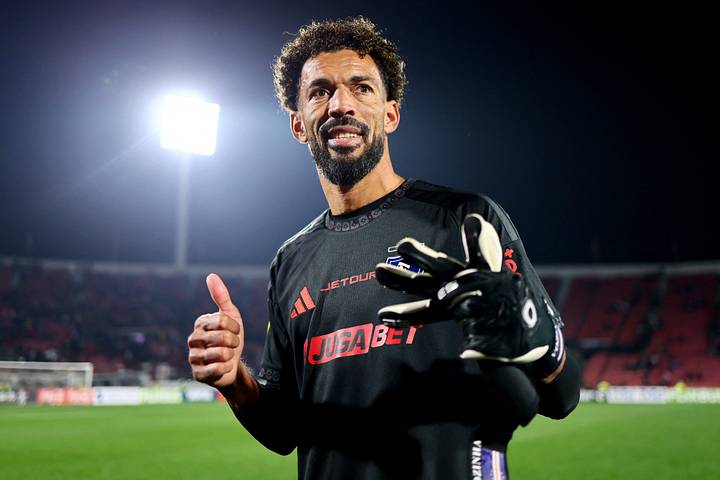
It has been a difficult period for the reluctant icon, but Vozinha's firm moral compass should help him stay grounded. "I know that during the World Cup there were many companies and brands that wanted to partner with me," he explained, "but while we were still competing, I only took part in one promotional collaboration, with UFL Mobile.
"I don't know what offers may come down the line, but for now I have no interest in working with tobacco, alcohol or betting brands."
The one silver lining Vozinha can point to is the spotlight now shining on Cabo Verde as a nation. Data revealed that flight bookings to the islands climbed by more than 50% during the tournament, unlocking a new wave of tourism revenue.
"It's gratifying to feel like a kind of ambassador, but I want to be clear that what we achieved was a team effort," the modest star emphasised. "We made history, and the best outcome would be if we could use that momentum to develop our country and improve the lives of our people."