
 ไทย
ไทย English
 中國人
中國人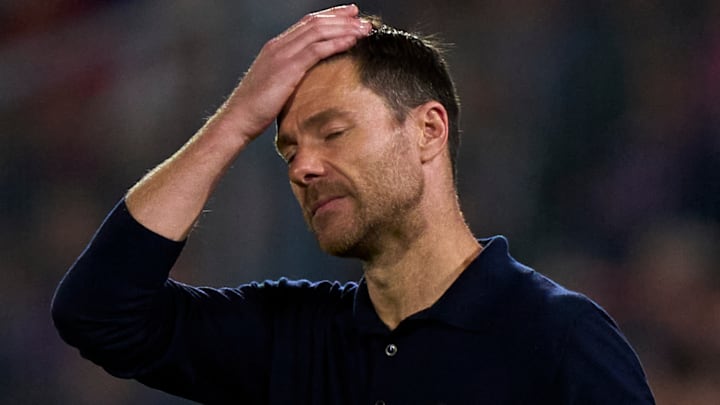
Xabi Alonso has taken the reins at Stamford Bridge, but his arrival carries some red flags that Chelsea must acknowledge as they look to recover from a dismal season.
The Blues went from claiming the Club World Cup last summer to winning just four of their final 16 matches across all competitions—two of those victories coming against Championship club Wrexham and League One side Port Vale.
Sitting ninth in the Premier League and in danger of missing out on European football next season, Chelsea moved to appoint Alonso as Liam Rosenior's permanent successor in the dugout, effective from next campaign.
The weight of expectation at Stamford Bridge now rests on Alonso's shoulders, though there are legitimate concerns surrounding his first role since being dismissed by Real Madrid just 233 days into a three-year deal.
Questionable Tactics Take Center Stage
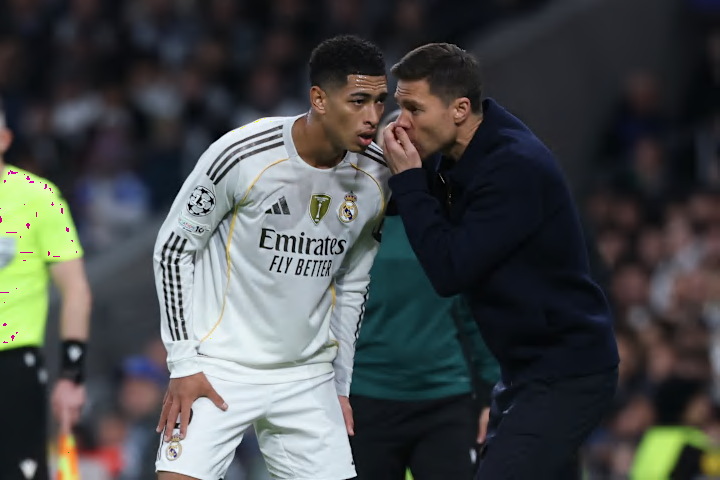
Alonso receives widespread credit for his tactical acumen, and much of it is well-deserved. However, he occasionally becomes a victim of his own overthinking, pursuing experiments that backfire spectacularly.
The 44-year-old drew criticism at Real Madrid for some eyebrow-raising tactical choices, a number of which were downright puzzling. He deployed Vinicius Junior on the right flank in the Club World Cup semifinal against Paris Saint-Germain, and the team suffered a 4–0 defeat.
He thrust a barely-fit Jude Bellingham into the starting lineup for the first Madrid derby of the season at the Metropolitano, and Real Madrid were hammered 5–2. Alonso also inexplicably handed Fran García a start at left wing against Elche, with Real Madrid settling for a 2–2 draw against the weaker opposition.
While it became clear that players in white were reluctant to follow Alonso's instructions toward the end of his tenure, there's a genuine possibility the squad lost confidence in his elaborate adjustments after so many misfired in the opening months of the season.
Clashes With Superstars Paint Worrying Picture
Vinicius Jr was not happy about being substituted during El Clasico...
The Brazilian stormed down the tunnel after being taken off by Xabi Alonso. pic.twitter.com/S58bwxiVZO
Alongside his perplexing tactical calls, Alonso's falling out with several high-profile players at Real Madrid cast a shadow over his brief spell at the Bernabéu. Relations between the Spaniard and Vinicius Jr were notoriously strained, most visibly when the Brazilian stormed off after being substituted during the first Clásico of the season.
The situation only deteriorated as time went on. Vinicius Jr issued a public apology that conspicuously omitted Alonso. The manager then remarked that fans were "free to express their opinion" about the Brazilian following boos at the Bernabéu. Reports surfaced that Vinicius Jr would refuse to sign a new contract with Alonso at the helm.
Even if you sympathize with Alonso in the bitter dispute, it remains deeply concerning that he could not even publicly align with the focal point of his squad—a player who never had friction with Carlo Ancelotti, Álvaro Arbeloa, or any of his previous Brazil coaches.
Alonso also had friction with Trent Alexander-Arnold, albeit to a lesser degree. The manager favored the aging Dani Carvajal over the club's marquee summer acquisition, benching Alexander-Arnold or restricting his playing time rather than allowing the former Liverpool man to settle into a new team and league.
Some may applaud Alonso's firmness and his refusal to bow to big-name players, but his failure to foster a unified dressing room is troubling—particularly given that Chelsea already appear to have players more focused on potential exits than fighting for the club's colors.
Past Failures in Big Moments Spell Trouble
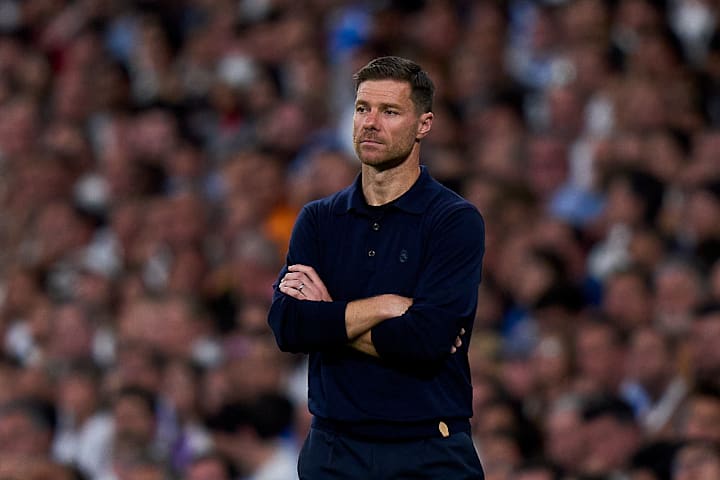
It would be unfair to judge Alonso entirely on his time at Real Madrid. The Spaniard, after all, made history at Bayer Leverkusen, guiding the German club to an unbeaten Bundesliga title just one season after they had been battling relegation.
Yet warning signs were already present during that historic campaign regarding Alonso's composure in high-stakes fixtures. Leverkusen had gone unbeaten throughout 2023–24, only to collapse 3–0 against Atalanta in the Europa League final, looking thoroughly outclassed from start to finish.
In 2024–25, Leverkusen advanced through the Champions League league phase in the top eight, but were eliminated in the round of 16 by Bayern Munich. Alonso's side failed to score across both legs and were knocked out 5–0 on aggregate by a rival they knew better than any other team in the tournament.
The same pattern emerged at Real Madrid. While Alonso guided the team to numerous league victories over lesser opponents, Los Blancos repeatedly stumbled when the stakes were highest—losing 4–0 to Paris Saint-Germain in the Club World Cup semifinals, 5–2 to Atlético Madrid in La Liga, 1–0 to Liverpool in the Champions League, and 2–1 to Manchester City in the same competition.
Naturally, Alonso cannot bear sole responsibility for those outcomes—he isn't the one playing. But a troubling pattern exists that could intensify in the Premier League, where he must guide Chelsea through the grind of the world's most demanding top flight week after week.