
 ไทย
ไทย English
 中國人
中國人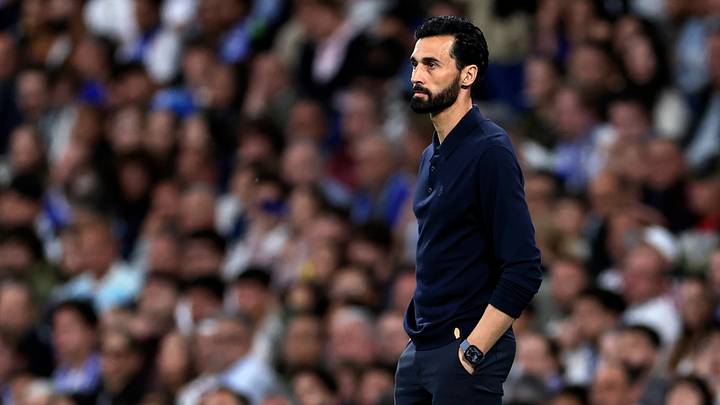
The worst-kept secret in football has officially been confirmed with the announcement of Álvaro Arbeloa's upcoming departure as Real Madrid head coach.
Arbeloa, appointed in January as a long-term successor to Xabi Alonso, will not see out the second year of his deal after revealing at Friday's press conference that he will move on following Saturday's fixture against Athletic Club.
Madrid placed enormous trust in Arbeloa when they awarded him a permanent, 18-month contract back in January, so what has led to his exit after only five months in charge?
Big-Game Shortcomings
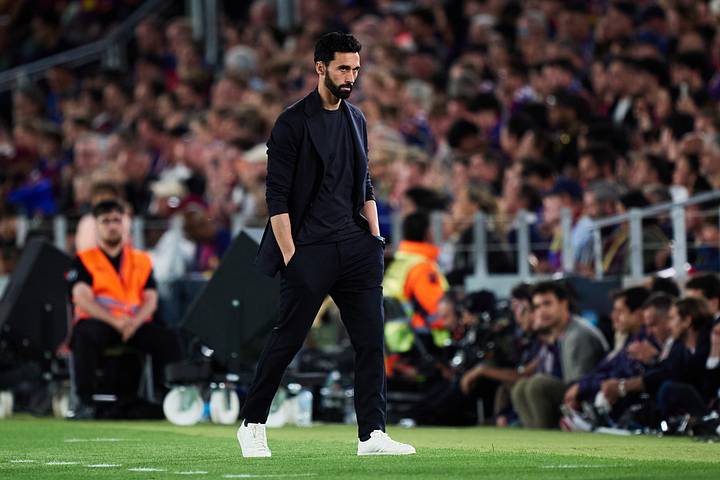
As Alonso discovered through his own sudden departure, Madrid's hierarchy has little appetite for patience. There is a firm expectation that, even during a settling-in period, Los Blancos must always be in contention for both domestic and European silverware.
A tally of 17 wins from 27 matches at the time of the announcement may not seem like grounds for dismissal, but the issue lies in where those defeats occurred.
Arbeloa's Madrid suffered an embarrassing Copa del Rey exit in the fourth round at the hands of second-division Albacete, before a collapse against Benfica on the final matchday of the Champions League group stage forced them into the knockout playoffs.
Los Blancos were thoroughly outclassed by Bayern Munich in the Champions League quarterfinals and convincingly beaten by Barcelona in May's Clásico, effectively ending their La Liga title challenge in the process.
Even some of Arbeloa's wins failed to inspire confidence. Madrid's considerable quality advantage over most domestic opponents meant that underwhelming displays were frequently papered over by flashes of brilliance from the likes of Kylian Mbappé and Vinicius Junior, preventing the full spotlight from falling on the beleaguered coach.
The final blow, however, came later.
Locker Room Drama
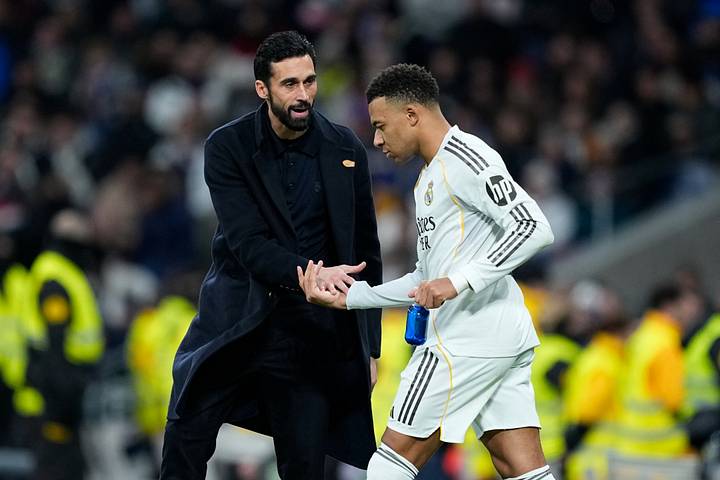
May proved to be a deeply humiliating month for Madrid, who were engulfed in a wave of damaging headlines surrounding off-field incidents.
A two-day altercation between Federico Valverde and Aurélien Tchouaméni followed reports of friction between Arbeloa and several peripheral squad members. Antonio Rüdiger struck Álvaro Carreras during a training ground dispute, but the most damaging episode was still to come.
Kylian Mbappé went public with his grievances regarding Arbeloa. While the Madrid superstar stopped short of directly confronting the manager, Mbappé openly questioned his team selection and acknowledged that Madrid's La Liga title hopes had unravelled following Arbeloa's appointment.
It soon became apparent that Madrid had a dressing room situation Arbeloa was powerless to resolve. Whether it was clashing egos or simply the immense pressure of managing one of the globe's biggest clubs, Arbeloa lacked the authority needed to restore order.
President Florentino Pérez's decision to personally select José Mourinho as Madrid's next manager says everything. Mourinho, though still regarded as an all-time great, is no longer considered an elite tactician—his 2021–22 Conference League victory with Roma remains his only piece of silverware since 2017—but that is not Pérez's primary concern.
Rather, the president is seeking someone willing to impose an iron-fisted approach. Mourinho will not stand for the kind of disorder that spilled into the public domain this season and will make it abundantly clear that anyone unwilling to meet the standards at the Bernabéu will be shown the exit.
Arbeloa lacks that hard edge and, frankly, lacks the standing to command genuine respect from the squad's marquee names. This role, his first at senior level, may simply have arrived too early in his managerial career.